On Monday, European stock markets paused briefly, closing lower after enjoying three consecutive days of gains.
This downturn occurred alongside a concerning incident involving a former U.S. President, which might affect the upcoming presidential elections.
Consequently, Burberry’s stock took a significant hit, plunging 15.9% due to the sudden resignation of its CEO and poor earnings reports.
Following this, the British fashion icon announced a 22% drop in quarterly revenue and suspended its dividend. This news sent shockwaves across the luxury sector, influencing other major players.
Moreover, shares of Kering, LVMH, and Hermès declined, marking a notable deviation from their typically strong performances.
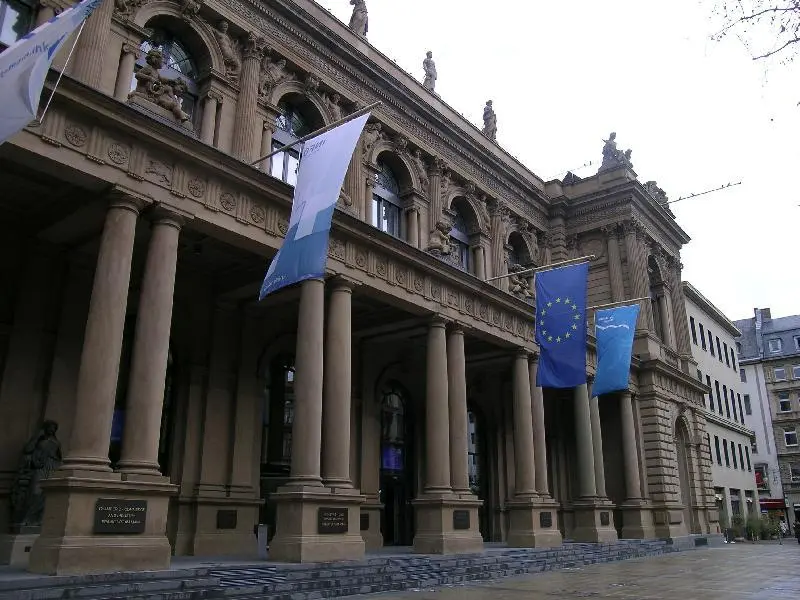
Meanwhile, broader market indices also fell; Paris’s CAC 40 dropped by 1.19%, London’s FTSE 100 by 0.85%, and Frankfurt’s DAX by 0.79%.
In Zurich, Swatch faced a steep decline of 9.78% after it reported significant drops in sales and profits.
These events underscore the volatile nature of the luxury goods market and its sensitivity to global economic pressures and leadership changes.
As China, a crucial market, shows economic strain, the impact resonates globally. Both Milan’s FTSE MIB and Madrid’s Ibex 35 also experienced downturns, closing lower by 0.59% and 0.76%, respectively.
These market shifts are significant as they underscore the interconnectedness of global economic systems.
Additionally, they demonstrate how corporate governance and geopolitical events directly impact financial markets.
This situation serves as a reminder of the cascading effects that can arise from a single company’s challenges.
As investors and analysts monitor these developments, the stability of the luxury market remains uncertain.
This sector plays a crucial role in global commerce, illustrating how intertwined and reactive global markets are to various pressures.
This article was produced by The Rio Times’ automated newsroom system. How we use AI · Report an error
LatAm Markets: Live Signals → — real-time movers, turnover leaders and FX across Latin America.
Read More from The Rio Times