El Niño, Brazil Soybeans and the Grid: What Investors Should Know
Brazil · Agribusiness
Key Facts
- Forecast: NOAA gives a 69% chance this El Niño becomes the strongest since 1950 by late 2026—a probability, not a certainty.
- Peak: Expected between November 2026 and January 2027, lasting into early spring 2027.
- Soy outlook: Brazil’s 2026/27 crop still seen at a record or near-record, between 177 and 186 million tonnes.
- Regional risk: Drier conditions in Matopiba and the Center-West could cut output by up to 20% if drought intensifies, analysts warn.
- Grid spend: Distributors invested R$41 billion (~US$7.9 billion) in 2025, up from R$18 billion (~US$3.5 billion) in 2021, with 40%+ going to grid hardening.
- Long-term plan: ANEEL’s PDD 2026 projects a record ~R$258 billion (~US$49.5 billion) in distribution investment through 2030.
- Emergency funds: The government has released R$1.335 billion (~US$256 million) to combat El Niño effects.
A potentially historic El Niño is building—here’s how it could hit Brazil’s soy fields and power grid, and why you should watch closely.
El Niño has arrived in Brazil, and it’s shaping up to be a big one. The latest NOAA forecast, released August 13, gives a 69% chance—roughly two-in-three—that the October–December season becomes the strongest El Niño since 1950.
That’s a probability, not a promise. But it is already shaping soybean planting decisions and electricity spending.
For you as an investor or expat, this isn’t a national disaster scenario. Brazil’s 2026/27 soybean crop is still forecast at a record or near-record, and the grid is spending billions to stay reliable.
When people talk about El Niño Brazil soybeans, they mean a weather pattern that soaks the South while drying out the North and Center-West. That split is exactly what makes this story worth tracking.
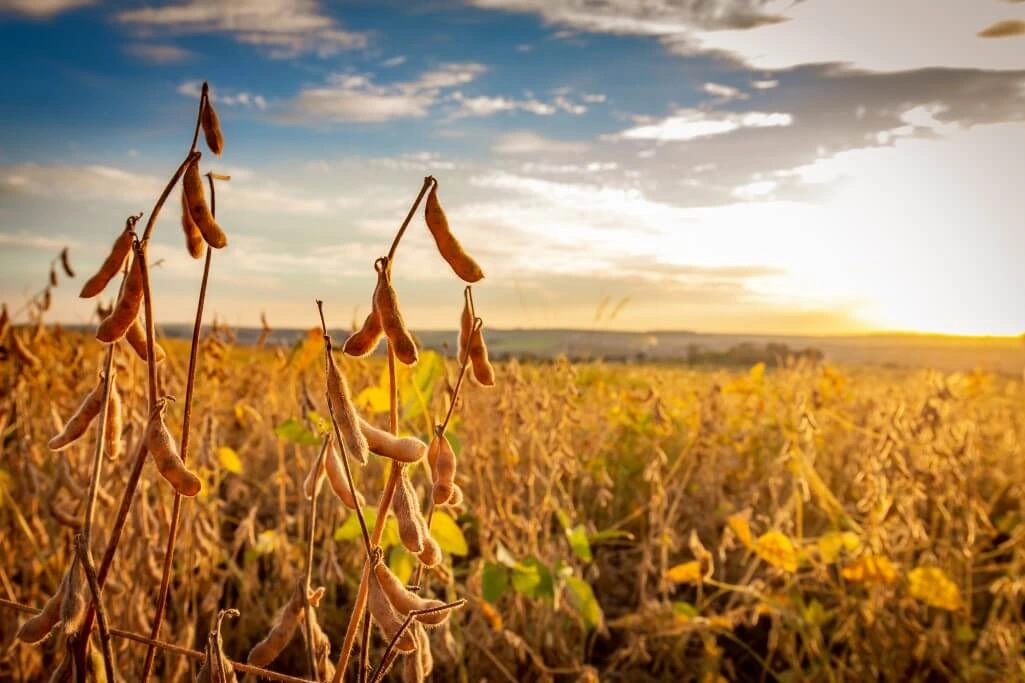
El Niño Brazil soybeans: a record harvest is still on the table
Despite the El Niño fears, Brazil’s 2026/27 soybean harvest is still projected at a record or near-record. StoneX sees 183.1 million tonnes, Safras & Mercado 180.1 million, the USDA 186 million, and S&P Global CERA a lower 177 million.
So the baseline is strong—the risk is regional, not national. The biggest threats sit in Matopiba (Maranhão, Tocantins, Piauí, Bahia) and the Center-West (Mato Grosso, Goiás), where El Niño tends to bring drier weather.
Eduardo Martins, a director at GAAS and a former Ibama official, warns that up to 20% of national output could be lost if drought settles over those areas. That is the worst case, not the base case.
Eduardo Assad of Embrapa and FGV Agro is more cautious. He notes that past El Niño years—2015 and 2024—cost up to 10%, and expects 2026/27 to stay near that level.
The gap between 10% and 20% matters enormously for global markets. Yet even a 20% hit would still leave roughly 145–150 million tonnes—enough to keep Brazil the world’s top exporter.
The key variable is October rain. Planting runs through September and October, and Matopiba’s sandy soils dry out fast if those rains are late.
There is an upside too. El Niño usually lifts yields in Rio Grande do Sul and Paraná, and the South’s gains can partly offset the North’s losses—as they did in 2015 and 2024.
The forecast: strong, but not guaranteed
NOAA’s Climate Prediction Center puts the chance of a “very strong” event above 90% for the 2026-27 fall and winter, and a 97% chance it lasts into March 2027. Michelle L’Heureux, the center’s ENSO team lead, says the event began around June 2026 and is still strengthening.
Private forecaster Climate Impact Company also calls it possibly the strongest on record by late 2026, and WMO models agree. The peak is expected between November 2026 and January 2027, with an abrupt end by mid-2027—possibly flipping into a La Niña.
For Brazil, that timing is everything. The peak lands right on top of the soybean growing season, locking in the weather during the most critical months.
Grid investment: distributors spend billions to keep the lights on
Brazil’s electricity distributors have been ramping up spending to cope with wilder weather. They invested R$41 billion (~US$7.9 billion) in the grid in 2025, up sharply from R$18 billion (~US$3.5 billion) in 2021, with more than 40% going to hardening and modernisation.
Looking ahead, the national regulator ANEEL’s PDD 2026 plan projects a record ~R$258 billion (~US$49.5 billion) in distribution investment through 2030. Note this is the distributors—not Eletrobras or the national system operator.
Why the urgency? El Niño brings more rain and strong winds to the South and Southeast, less rain to the North and Northeast, and higher wildfire risk into early 2027.
That mix strains power lines and substations, so the money goes into hardening the last mile. This isn’t about generating power—Brazil has plenty—it is about getting it to your home without interruption.
The federal government has separately released R$1.335 billion (~US$256 million) for immediate El Niño response. For residents and businesses alike, the goal is simple: fewer and shorter blackouts when storms hit.
Why this matters for your money and your power bill
Brazil is the world’s largest soybean exporter, so even a regional shortfall can nudge global soybean and food prices—and feed inflation across Latin America. If you hold agribusiness or consumer stocks, those Matopiba rains are worth watching.
Energy reliability is the other half of the story. If you live or invest in Brazil, you know how disruptive storms and heat can be for homes, factories, and data centers.
The regional split matters for property and operations too. A farm in the South might thrive on extra rain while one in Matopiba battles drought.
The steady rise in grid spending—from R$18 billion (~US$3.5 billion) a year in 2021 to R$41 billion (~US$7.9 billion) in 2025—is a strong vote of confidence in Brazil’s infrastructure. The upgrades are welcome, though they will take years to fully land.
How to prepare for the next 12 months
If you farm in Matopiba or the Center-West, this is the moment to line up irrigation or drought-tolerant seed. In the South, prepare instead for heavy rain and the flooding it can bring.
Energy consumers should expect the investment to show up eventually in tariffs. The R$1.335 billion (~US$256 million) in government funds is a stopgap, and long-term costs tend to be passed on.
For investors, keep an eye on NOAA’s monthly updates and Brazil’s soybean export data. The 69% probability could fade or firm up as planting season arrives.
Background: our how to rent an apartment in brazil as a foreigner guide.
More: Brazil news, every day from The Rio Times.
Frequently Asked Questions
Will El Niño destroy Brazil’s soybean crop?
No, that’s unlikely. Most analysts see a record or near-record harvest of 177-186 million tonnes. The risk is regional, with drier conditions in Matopiba and the Center-West potentially cutting output by up to 20% in worst-case scenarios, but historical losses have been around 10%.
How strong could this El Niño get?
NOAA gives a 69% chance it becomes the strongest since 1950 during October–December 2026. There’s a greater than 90% chance it’s at least “very strong” in fall/winter, and a 97% chance it lasts into March 2027.
How much are Brazil’s utilities spending on the grid?
Electricity distributors invested R$41 billion (~US$7.9 billion) in 2025, up from R$18 billion (~US$3.5 billion) in 2021, with over 40% going to hardening the grid. Regulator ANEEL’s PDD 2026 plan projects a record ~R$258 billion (~US$49.5 billion) in distribution investment through 2030.
How does El Niño affect electricity prices in Brazil?
Extreme weather can damage infrastructure, causing outages and higher maintenance costs. These investments aim to stabilise the grid, but in the short term, you might see slight tariff adjustments to fund the upgrades.
Connected Coverage
Brazil Grains Wrap: Soy, Corn, Wheat Rise Friday
Sources: NOAA Climate Prediction Center El Niño outlook via Bloomberg (Aug 13, 2026); USA Today — Updated El Niño forecast warns of ‘historic event’ (Aug 13, 2026); Valor International — Brazilian farmers adjust plans to face strongest El Niño on record (Aug 10, 2026); G1 — Brasil deve colher safra recorde de soja em 2026/27, mas El Niño ameaça produtividade (Jul 17, 2026); S&P Global — El Niño may disrupt global food supplies as farm output falls (Aug 3, 2026); O Globo — Distribuidoras reforçam a rede contra o El Niño (Aug 16, 2026); Valor International — Brazilian utilities brace for potential El Niño disruptions (Aug 3, 2026); Cenário Energia — Distribuidoras projetam R$258 bilhões em investimentos (Aug 12, 2026)
This article was drafted with automated assistance and reviewed before publication. How we use AI · Report an error
Read More from The Rio Times