EFCC Recovers US$169 Million in Unpaid NDDC Levies From Oil Firms
Nigeria · ENERGY
Key Facts
—Headline recovery: The Economic and Financial Crimes Commission (EFCC) recovered N115 billion (about US$85 million) and US$84 million in statutory levies owed to the Niger Delta Development Commission (NDDC).
—Companies probed: EFCC investigated 43 oil companies, found 24 with outstanding liabilities, and cleared 19.
—Exact liabilities: The investigation identified N76.883 billion (about US$56.5 million) and US$81.076 million in unpaid contributions.
—Released to NDDC: N73.373 billion (about US$54 million) and US$67.070 million had been released, while N3.510 billion (about US$2.6 million) and US$14.005 million remained in the EFCC recovery account.
—Broader arrears: NDDC said oil and gas firms still owed US$290 million and N163 billion (about US$120 million), despite remitting US$6.755 billion and N1.529 trillion (about US$1.12 billion) between 2021 and 2025.
—Contextual scandal: NDDC has faced allegations of misappropriating over N6 trillion (about US$4.4 billion) covering the years 2000 to 2019.
Nigeria’s Economic and Financial Crimes Commission has recovered N115 billion (about US$85 million) and US$84 million in unpaid NDDC levies from oil companies, a move that puts the spotlight back on who controls the country’s petroleum wealth and how much of it leaks away.
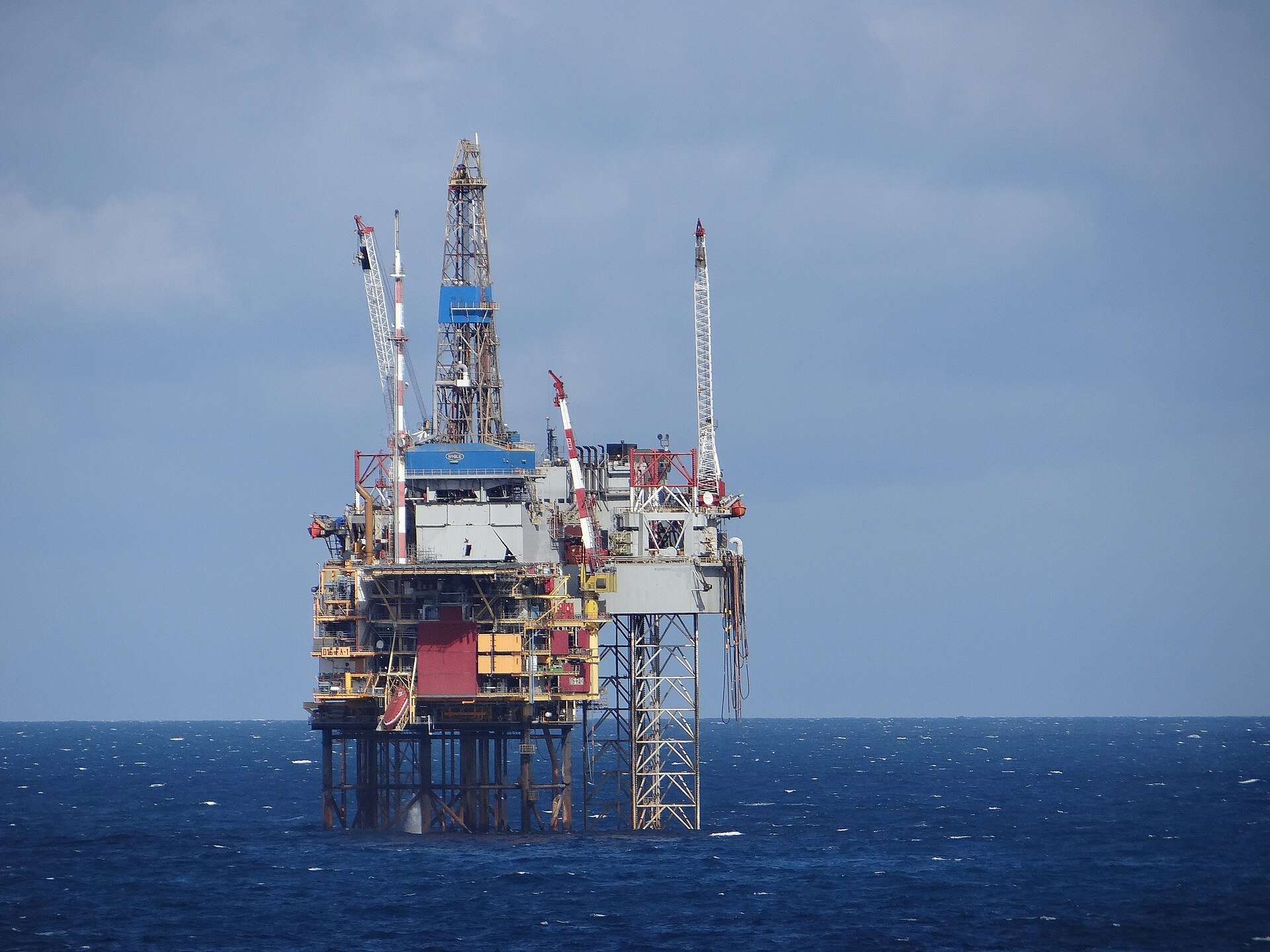
Naira figures are converted at 1,360 naira to the US dollar, the rate on 13 August 2026.
What the EFCC told the Senate
EFCC representative Francis Oka-Phillips Usani briefed the Senate Committee on Public Accounts on the recovery. He said the commission investigated 43 oil companies after a Nigeria Extractive Industries Transparency Initiative (NEITI) audit flagged unpaid contributions.
Of those 43 companies, 24 were found to have outstanding liabilities while 19 were cleared. The liabilities identified in the investigation totalled N76.883 billion (about US$56.5 million) and US$81.076 million.
After EFCC pressure, some firms paid directly to the NDDC, amounting to N6.709 billion (about US$4.9 million) and US$16.994 million. The dollar leg of the headline figure reconciles: US$67.070 million released to the NDDC plus US$16.994 million paid directly comes to US$84.064 million. The naira components EFCC itemised add up to N83.592 billion, short of the N115 billion it gave as its headline total. The commission did not explain the difference to the committee.
Why the 3 percent levy matters
The money in question is the 3 percent statutory levy owed to the NDDC under Nigeria’s oil-sector funding framework. It is meant for infrastructure, environmental remediation and development in the Niger Delta.
The levy is politically sensitive because the Niger Delta produces the oil that underwrites Nigeria’s public finances. Yet the region has long complained of underdevelopment, pollution and elite capture of oil revenue.
The scale is large even by Nigeria standards. NDDC itself told lawmakers that oil and gas firms remitted US$6.755 billion and N1.529 trillion (about US$1.12 billion) between 2021 and 2025, but still owed US$290 million and N163 billion (about US$120 million).
NDDC levies recovery: a wider crackdown on petroleum leakages
This episode is part of a broader Nigerian governance pattern. Extractive revenues are huge, but so are disputes over remittance, reconciliation and accountability.
The NDDC has been at the centre of repeated corruption allegations for years. These include a long-running forensic-audit controversy over alleged misappropriation of over N6 trillion (about US$4.4 billion) covering 2000 to 2019.
EFCC has increasingly used recovered funds not only as evidence of enforcement but as political proof of reform. The agency has publicly linked some recoveries to visible projects in the Niger Delta.
Who gains and who loses
The immediate winners are the NDDC and the communities it is supposed to serve. The recovered funds could support long-delayed infrastructure and environmental projects in the Niger Delta.
The oil companies found liable face reputational and financial costs. International investors and governments watch whether Nigeria can secure oil revenues, reduce leakage and stabilise the investment climate.
The case also intersects with local security and state authority in the Niger Delta. Oil theft, pipeline sabotage, community grievance and elite bargaining all shape how much revenue actually reaches the federal and regional system.
The geopolitical read-through
Nigeria is Africa’s largest oil producer and one of the continent’s most strategically important energy exporters. Its petroleum governance affects European refiners, Asian traders, Gulf investors and Western majors exposed to upstream and service contracts in the country.
For great-power competition, the key issue is not only barrels but institutional credibility. The NDDC levies recovery is part of Nigeria’s attempt to reclaim fiscal control over a sector whose cashflows have long been contested by politicians, oil firms, security actors and regional elites.
That struggle over extractive revenue is a central theme in Africa: The New Scramble, where governance and resource control shape the continent’s place in global power competition.
What to watch next
The EFCC said N3.510 billion (about US$2.6 million) and US$14.005 million remained in its recovery account. The next test is whether those funds are released to the NDDC and spent on visible projects.
Separate recent reporting shows the same anti-graft pattern elsewhere in the oil sector. EFCC recoveries from NNPCL-linked investigations and refinery-maintenance probes reinforce that the current case is part of a much wider crackdown on Nigeria’s petroleum revenue leakages.
The Senate Committee on Public Accounts is expected to continue its scrutiny of unpaid levies. How oil firms respond to the pressure will signal whether this recovery is a one-off or the start of a sustained enforcement drive.
More: Nigeria news in English, every day from The Rio Times.
Frequently Asked Questions
How much did the EFCC recover in NDDC levies?
The EFCC told the Senate it recovered N115 billion (about US$85 million) and US$84 million, or roughly US$169 million in all. The itemised liabilities it gave were N76.883 billion (about US$56.5 million) and US$81.076 million.
How many oil companies were investigated?
The EFCC investigated 43 oil companies, found 24 with outstanding liabilities, and cleared 19.
What is the 3 percent NDDC levy used for?
The levy is meant for infrastructure, environmental remediation and development in the Niger Delta region of Nigeria.
Connected Coverage
For more on how resource governance shapes Africa’s place in global power competition, read Africa: The New Scramble.
Sources
This article was produced by The Rio Times’ automated newsroom system. How we use AI · Report an error
LatAm Markets: Live Signals → — real-time movers, turnover leaders and FX across Latin America.
Read More from The Rio Times