Dominican Republic Debt Interest Passes Education Spending by 18 September
DOMINICAN REPUBLIC · PUBLIC FINANCES
Key Facts
- —Spent so far From 1 January to 18 September 2026 the state paid RD$234.6 billion (about US$3.94 billion) in debt interest and fees, against RD$230.4 billion (about US$3.87 billion) spent by the Education Ministry (Hoy, citing the budget office).
- —The gap Interest was ahead by RD$4.2 billion (about US$71 million), a timing effect: at the end of June education was still ahead (DIGEPRES).
- —Full-year budget The revised 2026 budget still gives education more: RD$330.0 billion (about US$5.55 billion) versus RD$311.0 billion for interest (Hoy, Ministry of Finance and Economy).
- —2027 draft The 2027 budget bill sent to Congress in September 2026 plans RD$365.6 billion (about US$6.15 billion) for the Education Ministry and RD$351.3 billion for interest (Ministry of Finance and Economy, DIGEPRES).
- —Exchange rate Conversions use the central bank buying rate of RD$59.49 per US$1 on 29 September 2026.
Dominican Republic debt interest paid this year has edged past what the Education Ministry has spent. Schools still hold the larger annual budget.
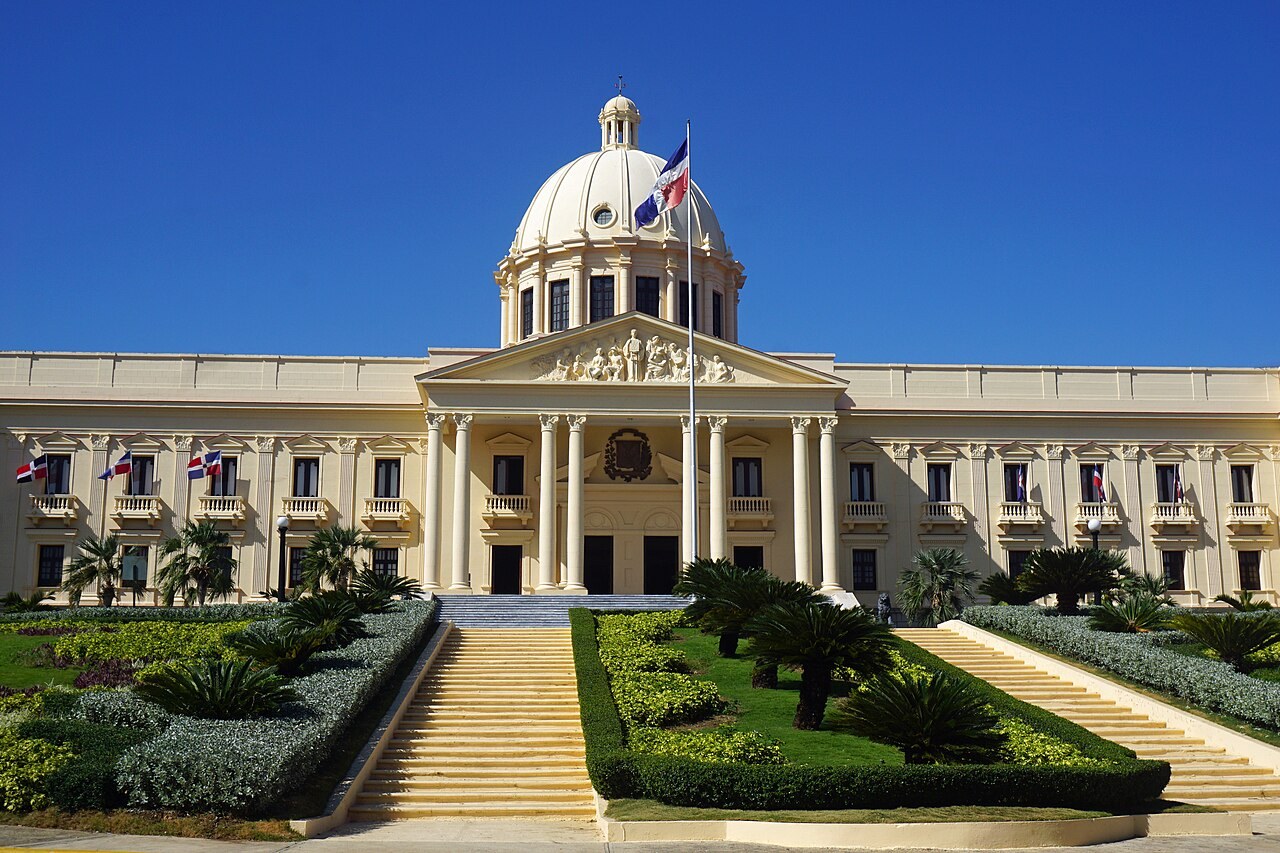
The Dominican Republic paid RD$234.6 billion (about US$3.94 billion) in public debt interest between 1 January and 18 September 2026. That is RD$4.2 billion (about US$71 million) more than the Education Ministry spent in the same period. The newspaper Hoy reported the figures from budget office data.
What the Budget Data Show
Hoy based its front-page report on the execution data of the General Budget Directorate (DIGEPRES), the office that tracks state spending. The Education Ministry, known as Minerd, spent RD$230.4 billion (about US$3.87 billion) in the period.
Of the interest bill, RD$151.3 billion (about US$2.54 billion) went to foreign creditors and RD$82.3 billion to domestic ones. Fees and other bank charges on the debt added RD$1.0 billion (about US$17 million).
Hoy put the interest paid so far at 2.7% of gross domestic product (GDP), the total value of the economy’s output. It noted that interest had overtaken education spending at least once before this year.
A Question of Timing, Not of Budgets
The headline gap is small and partly a matter of calendar. Interest falls due on fixed dates, while ministries spend their budgets gradually through the year.
At the end of June the picture was reversed. DIGEPRES data show Minerd had spent RD$148.4 billion (about US$2.49 billion), while interest and debt fees reached RD$142.6 billion.
For the full year, education keeps the larger share. The revised 2026 budget gives Minerd RD$330.0 billion (about US$5.55 billion) and interest RD$311.0 billion (about US$5.23 billion).
Why the 2026 Budget Was Revised
In July 2026 the government sent Congress a bill to modify the 2026 budget law, Law 99-25. It cited volatile international markets, trade swings and a new tax law, Law 30-26.
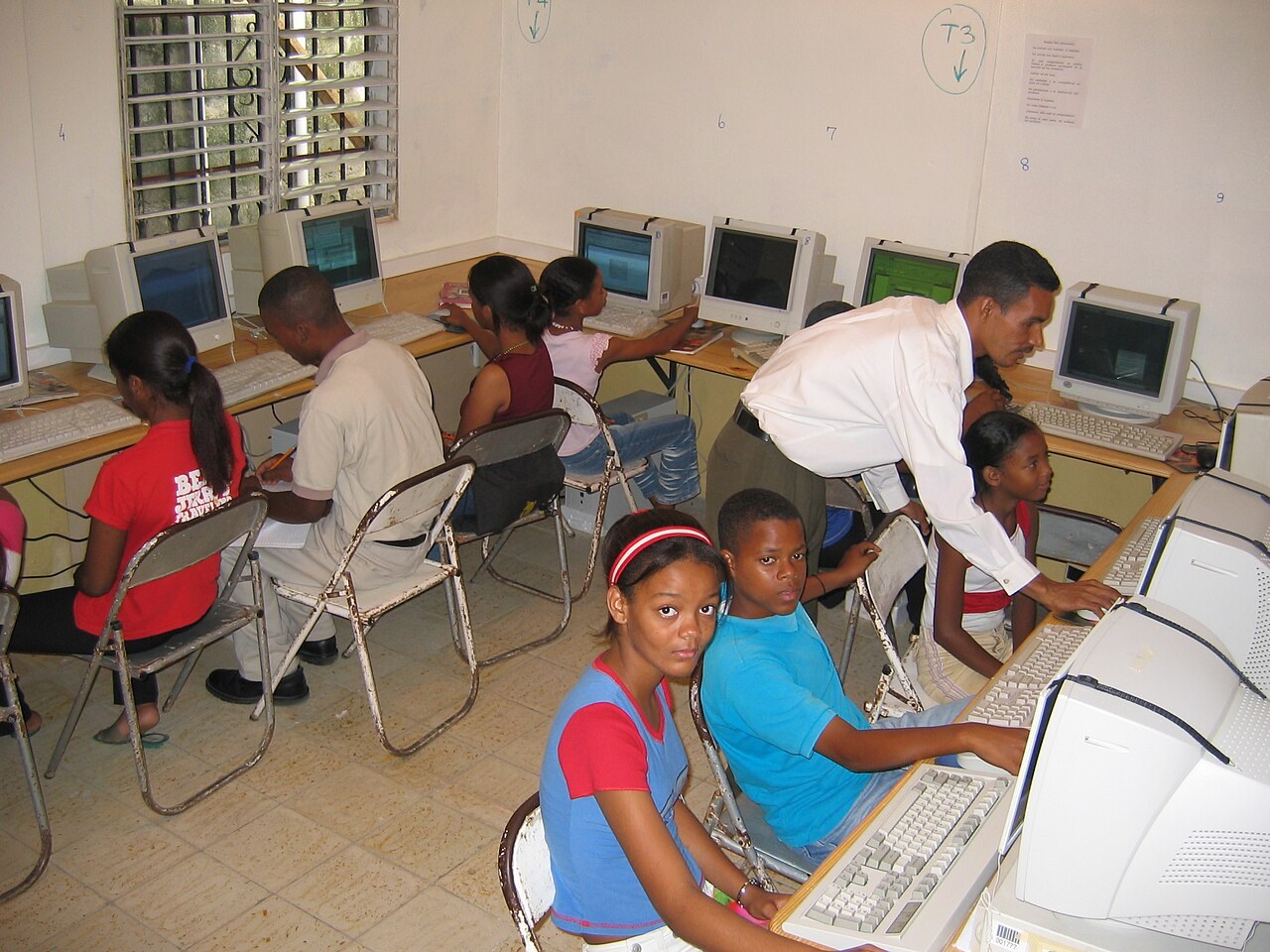
The bill cut the net allocation for public debt and moved money towards health, security and public works. It reclassified RD$2.0 billion (about US$34 million) of Minerd’s budget within the ministry, without a net cut, the finance ministry said.
Congress approved the changes, and the president signed them into law as Law 43-26 on 27 July 2026. Hoy’s comparison uses these revised figures.
What the 2027 Draft Budget Plans
On 23 September 2026 the Ministry of Finance and Economy sent the 2027 budget bill to Congress. It gives Minerd RD$365.6 billion (about US$6.14 billion), 10.1% more than the approved 2026 budget.
DIGEPRES projects RD$351.3 billion (about US$5.91 billion) for debt interest in 2027. Interest would take 22.9% of the central government’s current spending.
The government says the education function keeps its long-standing target of 4% of GDP. The draft also sets aside RD$30.8 billion (about US$518 million) for school meals for about 1.96 million pupils.
Health would get RD$198.7 billion (about US$3.34 billion), 10.0% more than in 2026. Capital spending on investment projects would rise 19.7% to RD$257.8 billion (about US$4.33 billion), the largest on record, the ministry says.
The Debt Behind the Interest Bill
Non-financial public sector debt stood at US$68.0 billion on 31 May 2026, equal to 48.3% of GDP, according to DIGEPRES. About 71% of it is owed to foreign lenders.
The average interest rate on foreign debt was 6.5% in March 2026. The government projects debt to fall to 46.3% of GDP by the end of 2026 and to about 44.5% by 2030.
The 2027 plan keeps a small primary surplus, meaning revenue covers spending before interest. The overall deficit, interest included, is set at 3.4% of GDP.
Pressures and Buffers
Interest payments did not rise this year. In the first half of 2026 they were 5.5% lower than a year earlier, DIGEPRES data show.
The budget office still sees risk abroad. It warns that slightly higher long-term US Treasury yields could make long-term foreign borrowing more expensive for the country.
The Dominican economy is still growing, and the government expects real growth of 4.75% in 2027. Growth makes a given debt easier to carry, which is why the ratio is projected to fall.
What It Means for Residents and Investors
For families, the comparison shows how much of each tax peso goes to past borrowing rather than classrooms. Schools still receive more over a full year, but the margin is narrow.
For bondholders, the data point to a government paying on time and planning a slowly falling debt ratio. Congress must approve the 2027 budget before it takes effect on 1 January 2027.
More: Dominican Republic news, every day from The Rio Times.
Frequently Asked Questions
Does the Dominican Republic now spend more on debt interest than on education?
Only in year-to-date payments. Between 1 January and 18 September 2026, interest reached RD$234.6 billion (about US$3.94 billion) against RD$230.4 billion spent by the Education Ministry. The full 2026 budget still gives education more.
How much will the Dominican Republic pay in interest in 2027?
The budget office projects RD$351.3 billion, about US$5.91 billion, in the 2027 draft budget. The Education Ministry would receive RD$365.6 billion (about US$6.15 billion).
How large is Dominican public debt?
Non-financial public sector debt was US$68.0 billion on 31 May 2026, or 48.3% of GDP. The government expects the ratio to fall to 46.3% by the end of 2026.
Sources: Hoy · Dirección General de Presupuesto (DIGEPRES) · Ministry of Finance and Economy · Ministry of Finance and Economy · Banco Central de la República Dominicana · Dirección General de Presupuesto (DIGEPRES)
This article was produced by The Rio Times’ automated newsroom system. How we use AI · Report an error
Read More from The Rio Times