On a typical Monday, the dollar’s upward movement mirrored trends in global markets, especially among nations reliant on exporting goods.
This rise was notably influenced by a recent event involving former President Donald Trump.
An unsettling incident aimed at Trump seemingly rallied more supporters to his side, affecting market predictions for the November elections in the U.S.
As Republicans gathered for their national convention, they confirmed Trump as their candidate.
During this significant event, Trump announced Ohio Senator J.D. Vance as his running mate. This partnership underscored his ongoing influence within the party.
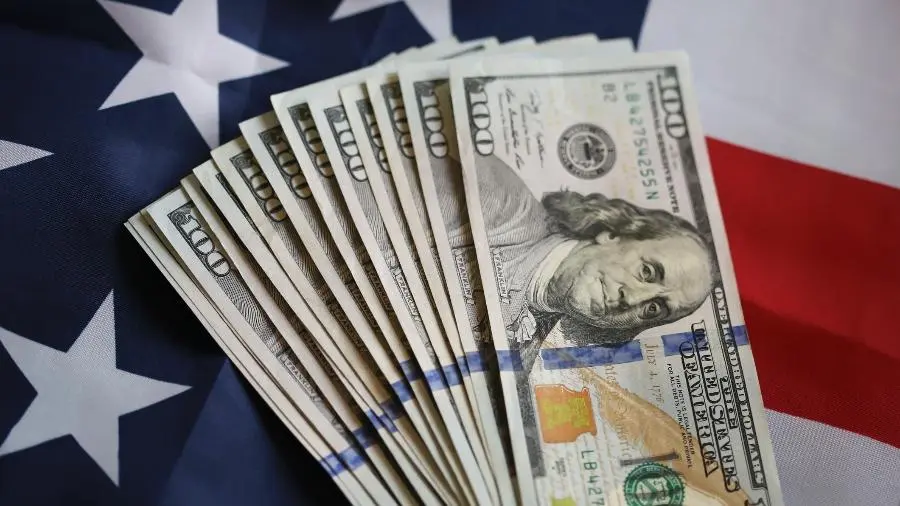
The financial figures spoke clearly. The commercial dollar rose slightly by 0.26%, trading at R$5.445.
Meanwhile, futures hinted at sustained interest with a modest 0.17% uptick to 5,453 points. Just days before, the dollar had dipped, shedding light on the currency’s volatile journey.
Market watchers kept an eye on Jerome Powell, the Federal Reserve Chair. His commentary suggested inflation was inching closer to federal targets, an indicator of potential economic stability.
Powell’s words hinted at possible interest rate cuts later in the year, aiming to ease from the current 5.5% down to between 4.5% and 4.75%.
On the domestic front, Brazil‘s economic activity index nudged up by 0.25% in May, showing a slow but steady climb from earlier in the year.
Analysts adjusted their forecasts accordingly, now expecting slightly lower inflation rates by year’s end.
This scenario extends beyond mere numbers. It reflects the intertwining of political events and economic expectations.
Investors often react sharply to political developments, seeing them as signs of future economic policies.
In this case, Trump’s political resurgence following the attack seems to have reassured investors of potential stability or advantageous changes in trade policies.
This article was produced by The Rio Times’ automated newsroom system. How we use AI · Report an error · Editorial responsibility: Matthias Camenzind, Editor-in-Chief
LatAm Markets: Live Signals → — real-time movers, turnover leaders and FX across Latin America.