Last Friday marked another step in the downward slide of the US dollar, closing lower against the Brazilian Real. This movement aligns with global trends, where the dollar has been weakening.
Analysts suggest this could prompt the US Federal Reserve to cut interest rates in September, a pivot eagerly anticipated by markets worldwide.
New figures from the US Producer Price Index (PPI) on Friday showed a monthly increase of 0.2% and an annual rise of 2.6%.
These figures, slightly above market forecasts, hint at persistent but manageable inflation, contrasting with previous data suggesting more significant economic cooling.
The commercial US dollar ended Friday at R$5.430 for buying and R$5.431 for selling, reflecting a daily dip of 0.20%.
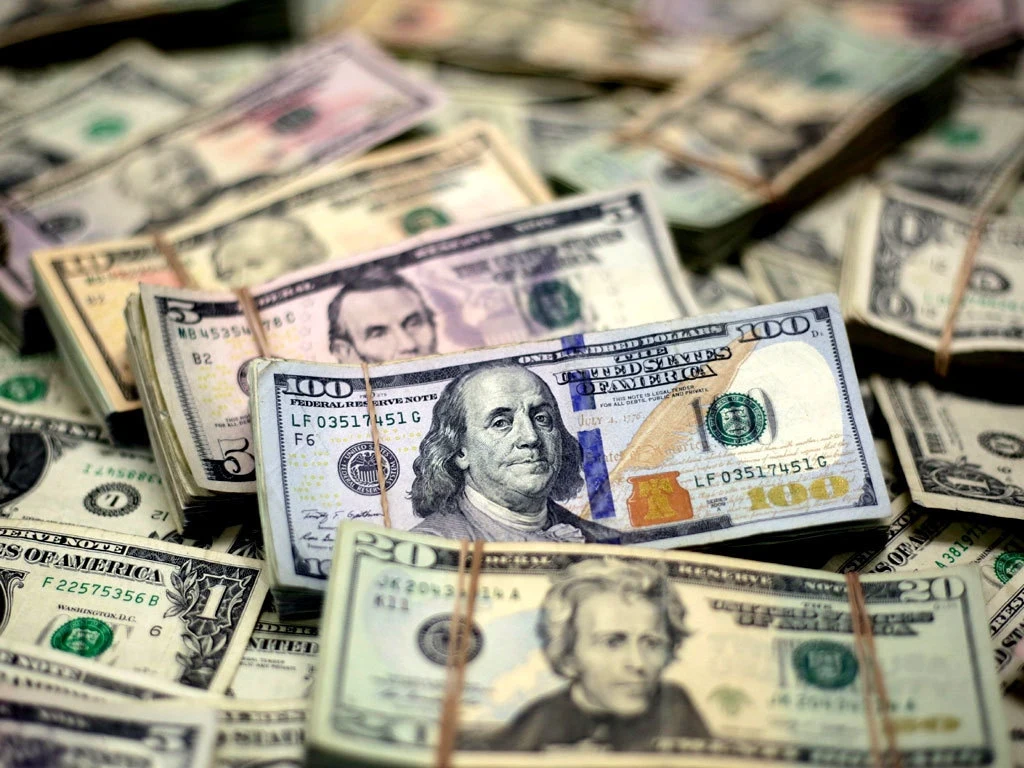
Meanwhile, futures markets also reacted, with the August dollar contract dropping 0.12% to 5444 points. Over the week, the currency shed 0.58%.
Earlier fluctuations had seen the dollar peak at R$5.441 the day before, after a 0.53% rise.
Yet, it commenced Friday’s session lower, influenced by broader declines among commodity-exporting and emerging market currencies.
However, remarks from Brazil’s Finance Minister, Fernando Haddad, regarding the fiscal landscape sparked a temporary rally.
Economic Policy and Global Financial Dynamics
Haddad, speaking in São Paulo, argued against expanding fiscal policy under current conditions.
He suggested instead that cuts in primary expenditures might be needed to stabilize Brazil’s public finances.
While denying any efforts to soften President Lula’s stance towards the Central Bank, Haddad admitted some of Lula’s concerns were valid.
Investors remain watchful as Haddad’s plans for fiscal adjustments remain vague.
This cautious sentiment was evident when, after hitting morning highs and lows, the dollar settled lower by the afternoon.
Expectations that the Fed will begin interest rate reductions have contributed to the currency’s overall weakness.
With the US Dollar Index falling 0.36% to 104.07, the currency’s performance continues to wane against several key currencies.
Recent labor and price index reports suggest upcoming policy shifts by the US central bank, which could reshape global financial landscapes.
This context highlights why each fluctuation in such figures resonates far beyond mere numbers. It hints at deeper economic currents that affect global stability and growth.
This article was produced by The Rio Times’ automated newsroom system. How we use AI · Report an error · Editorial responsibility: Matthias Camenzind, Editor-in-Chief
LatAm Markets: Live Signals → — real-time movers, turnover leaders and FX across Latin America.