Datafolha Finds 76% See Excessive Power at the Supreme Court
BRAZIL · POLLING
Key Facts
- —The headline 76% of Brazilians say Supreme Court justices have excessive power.
- —The counterweight 71% consider the court essential to democracy.
- —The trust question 77% say they trust it less than in the past.
- —The vote effect 85% say the Moraes revelations changed nothing in their presidential vote; 86% say the same of the Mendonça investigation.
- —The method Datafolha, fieldwork 8–10 September 2026, 2,002 voters in 125 municipalities, margin of error two points.
- —The care point The two vote questions are separate. They should not be merged into one figure.
Brazilians are alarmed by the Supreme Court and are not moving their vote over it. Both findings come from the same survey.
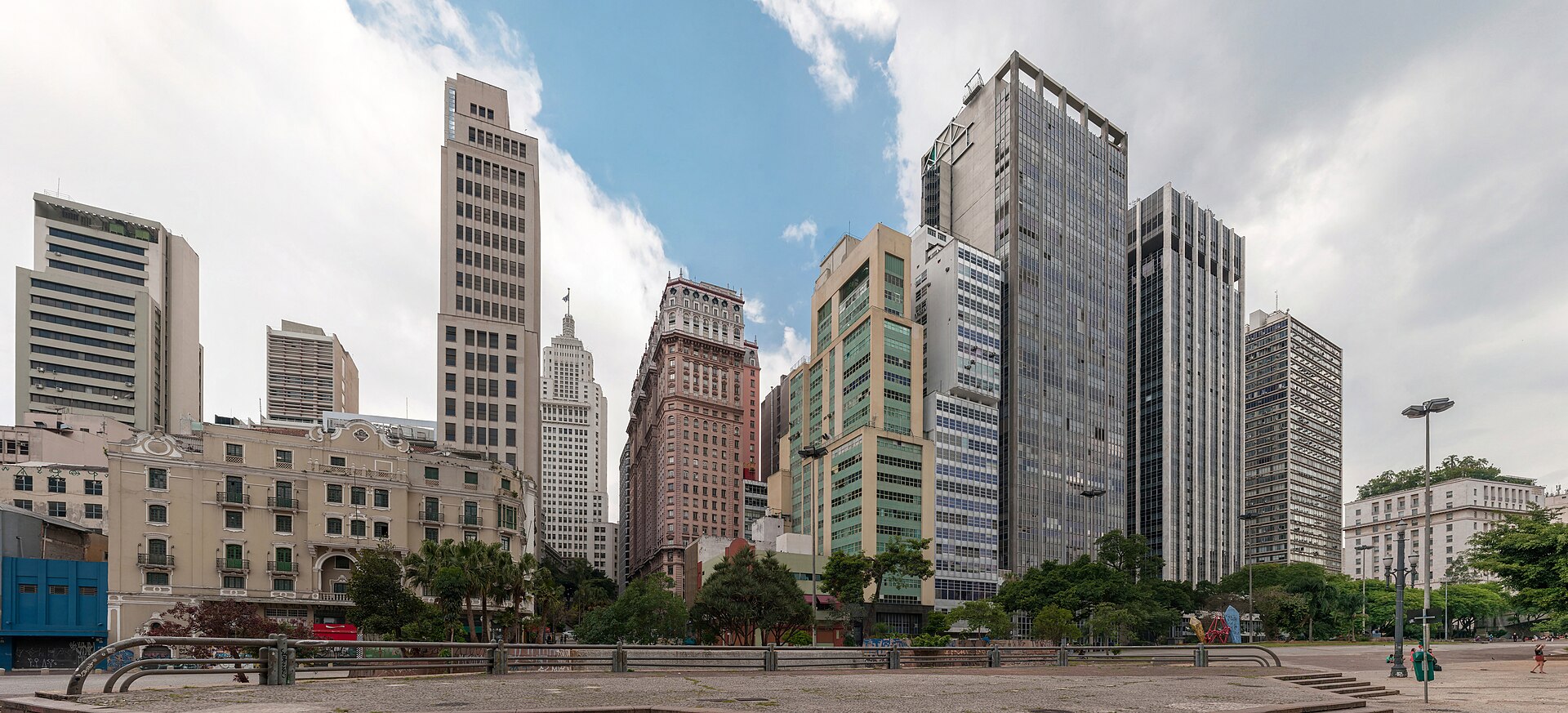
Datafolha polling published this weekend finds that 76% of Brazilians consider Supreme Court justices to hold excessive power, while large majorities say the crisis around the court has not changed how they will vote for president.
The Findings
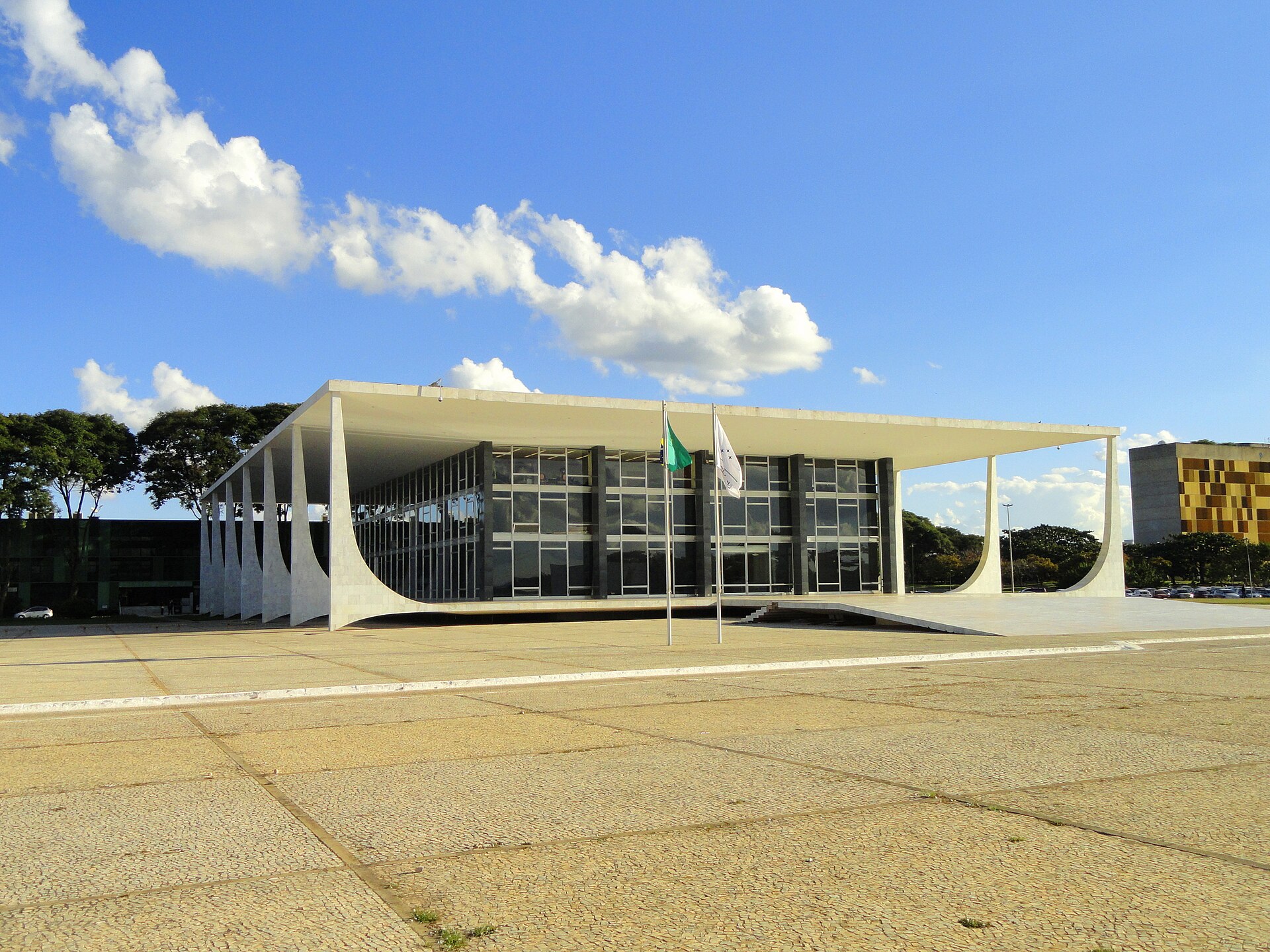
Seventy-six percent say the justices of the Supremo Tribunal Federal have excessive power. Seventy-one percent say the court is essential to democracy, and 77% say they trust it less than they did in the past.
Those three figures are not in tension. A respondent can regard an institution as necessary, distrust its current conduct and believe it has accumulated more power than it should hold, and a substantial share evidently does.
The Vote Questions, Kept Apart
Datafolha asked separately about two matters. On the revelations concerning Justice Alexandre de Moraes: 85% said nothing changed in their presidential vote, 7% said nothing changed but doubt was raised, 4% said their vote changed and 4% did not know.
On the investigation before Justice André Mendonça: 86% said nothing changed, 7% said nothing changed but doubt was raised, 2% said their vote changed and 4% did not know.
Summaries that report a single figure above 80% for the crisis as a whole are collapsing two questions into one. The Rio Times reports them separately because that is how they were asked.
Method
Fieldwork ran from 8 to 10 September 2026 with 2,002 voters across 125 municipalities. The margin of error is two percentage points at 95% confidence, and the survey is registered with the electoral court under number BR-01833/2026.
The exact Portuguese wording of the questions has not been reproduced in secondary coverage, and The Rio Times does not quote it.
What the Numbers Do and Do Not Show
The excessive-power finding is a judgement about institutional design as much as about any individual justice, and it has been rising in Brazilian polling for several years rather than appearing this month.
The vote findings are the more surprising half. A crisis touching a Supreme Court justice, a collapsed bank and two political families has moved a low single-digit share of stated vote intention, which suggests the electorate has already sorted itself on these questions.
That stability is not the same as indifference. Seven percent in each question said their view was unchanged but that doubt had been raised, which is the group that would move first if the cases produce charges.
Why It Matters Now
Brazil votes for president in October 2026, and the court crisis has run through the campaign period rather than before it.
For the parties, the practical reading is that attacking or defending the court is unlikely to shift votes directly, while the institutional argument about the court’s powers has majority support and will outlast the election.
There is also a legislative reading. Proposals to limit individual justices’ monocratic decisions and to change how the court is appointed have circulated in Congress for years without passing, and a 76% finding gives them a constituency they have not previously been able to point to.
Whether that translates into a constitutional amendment is a separate question. Amending the Brazilian constitution requires three-fifths in both chambers across two rounds, which is a threshold public opinion alone does not clear.
More: Brazil news in English, every day from The Rio Times.
Frequently Asked Questions
What did Datafolha find?
76% say Supreme Court justices have excessive power; 71% call the court essential to democracy; 77% trust it less than before.
Did the crisis change votes?
85% said the Moraes revelations changed nothing in their presidential vote; 86% said the same of the Mendonça investigation.
Are those one figure or two?
Two separate questions. They should not be merged.
What was the sample?
2,002 voters in 125 municipalities, fieldwork 8–10 September 2026.
What is the margin of error?
Two percentage points at 95% confidence.
Sources: Datafolha via Poder360 and Jornal de Brasília.
This article was produced by The Rio Times’ automated newsroom system. How we use AI · Report an error
Read More from The Rio Times