MEXICO · TRADE
Key Facts
- —The statement President Trump ruled out withdrawing from the USMCA on 12 September 2026.
- —Why it was asked The agreement faces its scheduled joint review in 2026.
- —The mechanism USMCA has a sixteen-year term with a six-year review that can extend it.
- —What it does not settle Ruling out withdrawal is not the same as agreeing to extend.
- —The stakes Mexico sends roughly 80 percent of its exports to the United States.
Ruling out an exit removes the worst case. It does not tell Mexico or Canada what the review will actually produce.
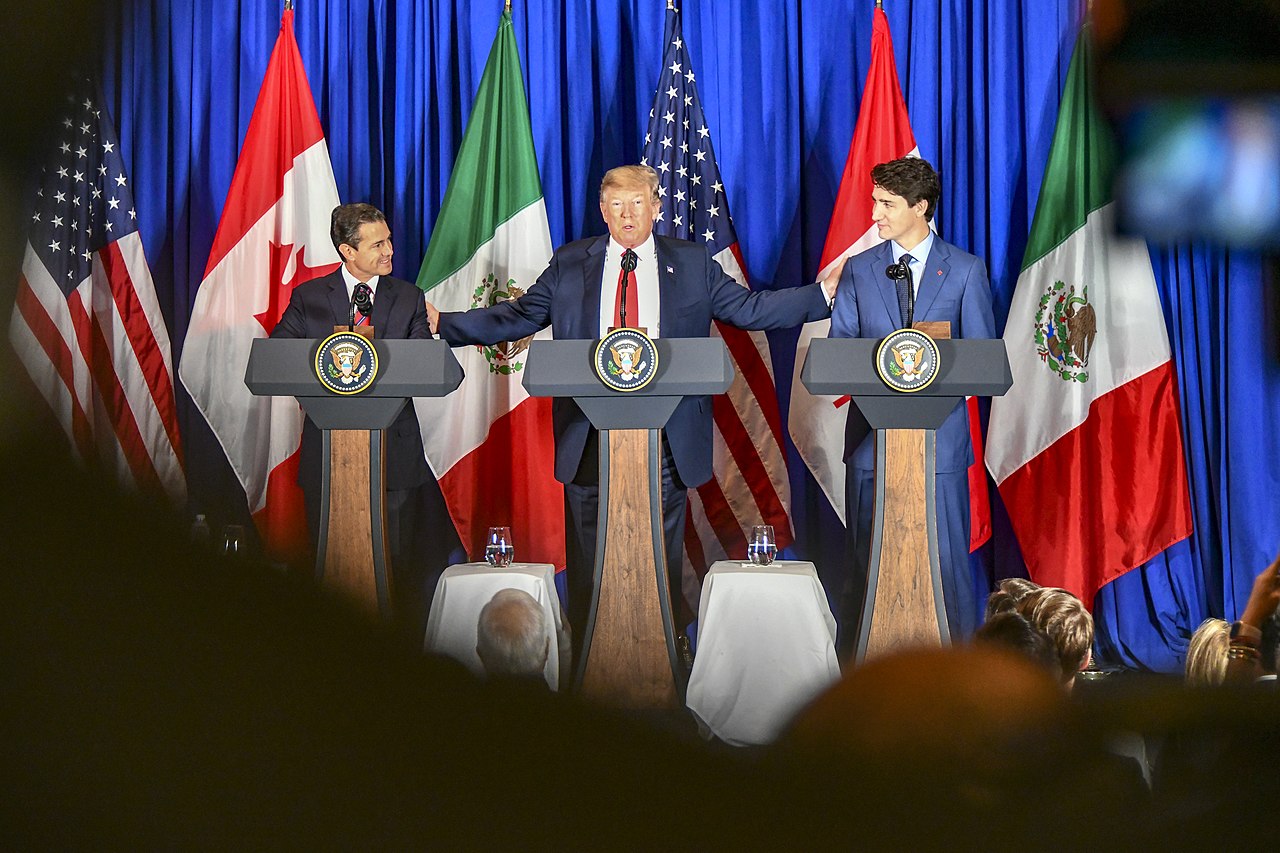
President Donald Trump said on 12 September that the United States would not withdraw from the United States-Mexico-Canada Agreement, as the pact approaches the joint review built into its terms.
What Was Said
Trump ruled out a US withdrawal from the USMCA. The statement addresses the most severe outcome available under the agreement rather than the question of what the review will decide.
The distinction matters because withdrawal and non-extension are different mechanisms with different timetables, and only one of them was addressed.
How the Agreement Is Built
The USMCA entered force on 1 July 2020 with a sixteen-year term. A joint review falls six years in, at which point the three parties can agree to extend the term by a further sixteen years.
If they do not agree, the agreement does not end. It continues to its original expiry, with annual reviews in the interval, which is a slow unwinding rather than a cliff.
Separately, any party may withdraw on six months’ notice. That is the provision Trump was asked about and the one he ruled out using.
Why Mexico Was Listening
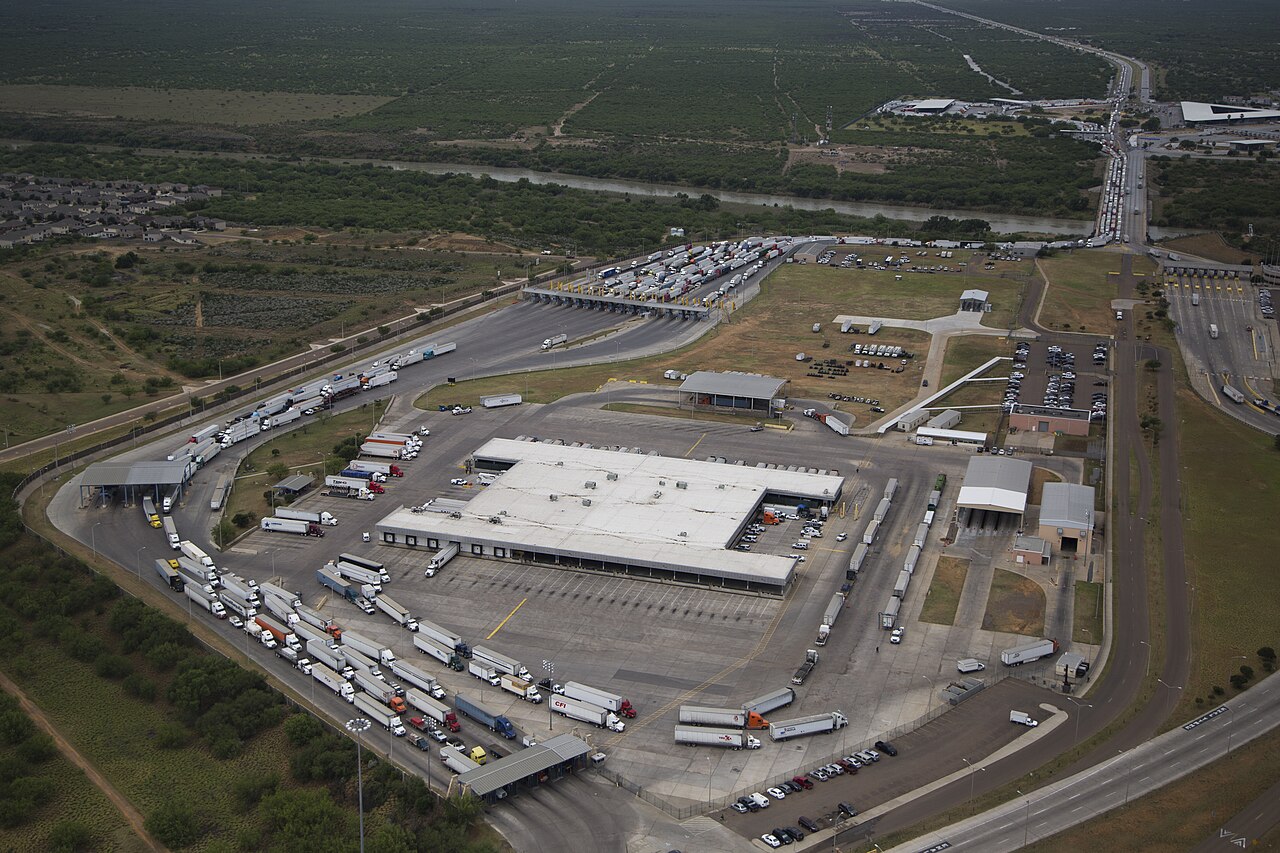
Roughly 80 percent of Mexican exports go to the United States, and the share has risen rather than fallen as nearshoring moved supply chains out of Asia.
Mexican industrial investment decisions run on horizons longer than the review cycle. A plant commissioned in 2027 is being financed now, and the financing prices the risk that the trade framework changes.
President Claudia Sheinbaum’s government has spent 2026 managing tariff actions taken outside the agreement, on steel, aluminium and vehicles, which has made the question of the framework itself more pressing rather than less.

What Is Still Open
Rules of origin for vehicles, the labour-value content requirement and the dispute-settlement panels are the substantive items a review would reopen. None was addressed.
Tariffs imposed under separate national-security authorities are not governed by the USMCA and would survive any outcome of the review. Mexico’s exposure to those is unchanged by this statement.
Canada’s position is the third variable and has been the more difficult one through 2026, particularly on dairy and on softwood lumber.
Digital trade and the treatment of state-owned enterprises are the two chapters that were written for a 2018 economy and that both Washington and Mexico City have reason to revisit, for opposite motives.
The review is a joint process, which means no single party controls its outcome. That structural point is what makes a unilateral statement about withdrawal informative but not decisive.
How to Read It
The value of the statement is that it narrows the range of outcomes rather than that it settles one. Markets price tail risk, and removing the withdrawal tail is worth something to the peso and to Mexican corporate credit.
What it does not do is give an investor a view on the rules of origin that will apply in 2030, which is the number an automotive supply chain actually needs.
The peso and Mexican sovereign spreads are the cleanest live reading of how much that narrowing is worth. Both have been more sensitive through 2026 to tariff announcements made outside the agreement than to the agreement’s own timetable.
For Canada the calculation runs the other way. Ottawa has less to lose from a slow unwinding than Mexico does, because a larger share of its trade sits in sectors where the most-favoured-nation tariff is already low.
More: Mexico news in English, every day from The Rio Times.
Frequently Asked Questions
What did Trump say?
That the United States will not withdraw from the USMCA.
When?
12 September 2026.
Does that extend the agreement?
No. Withdrawal and extension are separate questions. The joint review decides the second.
What happens if the review does not extend it?
The agreement continues to its 2036 expiry with annual reviews, rather than terminating.
Does this affect existing tariffs?
No. Tariffs imposed under separate national-security authorities sit outside the agreement.
Sources: Reuters, El Financiero, El Economista, Milenio, Office of the US Trade Representative.
This article was produced by The Rio Times’ automated newsroom system. How we use AI · Report an error
Read More from The Rio Times