Costa Rica’s Biggest Drug Raid Hit Hotels and Holiday Rentals
Markets
Key Facts
—The operation. On June 23 Costa Rica ran the largest anti-drug raid in its history, codenamed Riverside.
—The scale. Around 1,500 agents carried out close to 100 raids and arrested more than 40 people.
—The seizures. Six hotels, four holiday rentals, a restaurant, a gym, a bullring and cattle ranches were taken.
—The boss. The alleged leader, known as Pecho de Rata, had already been extradited to the United States.
—The partner. The investigation was run with support from the United States Drug Enforcement Administration.
—The pattern. It is the second cartel dismantled in the country since late 2025.
The biggest Costa Rica drug operation on record did not just seize cocaine and cash. It seized the hotels, holiday rentals and ranches that prosecutors say were quietly laundering the money in a country the world visits for its beaches.
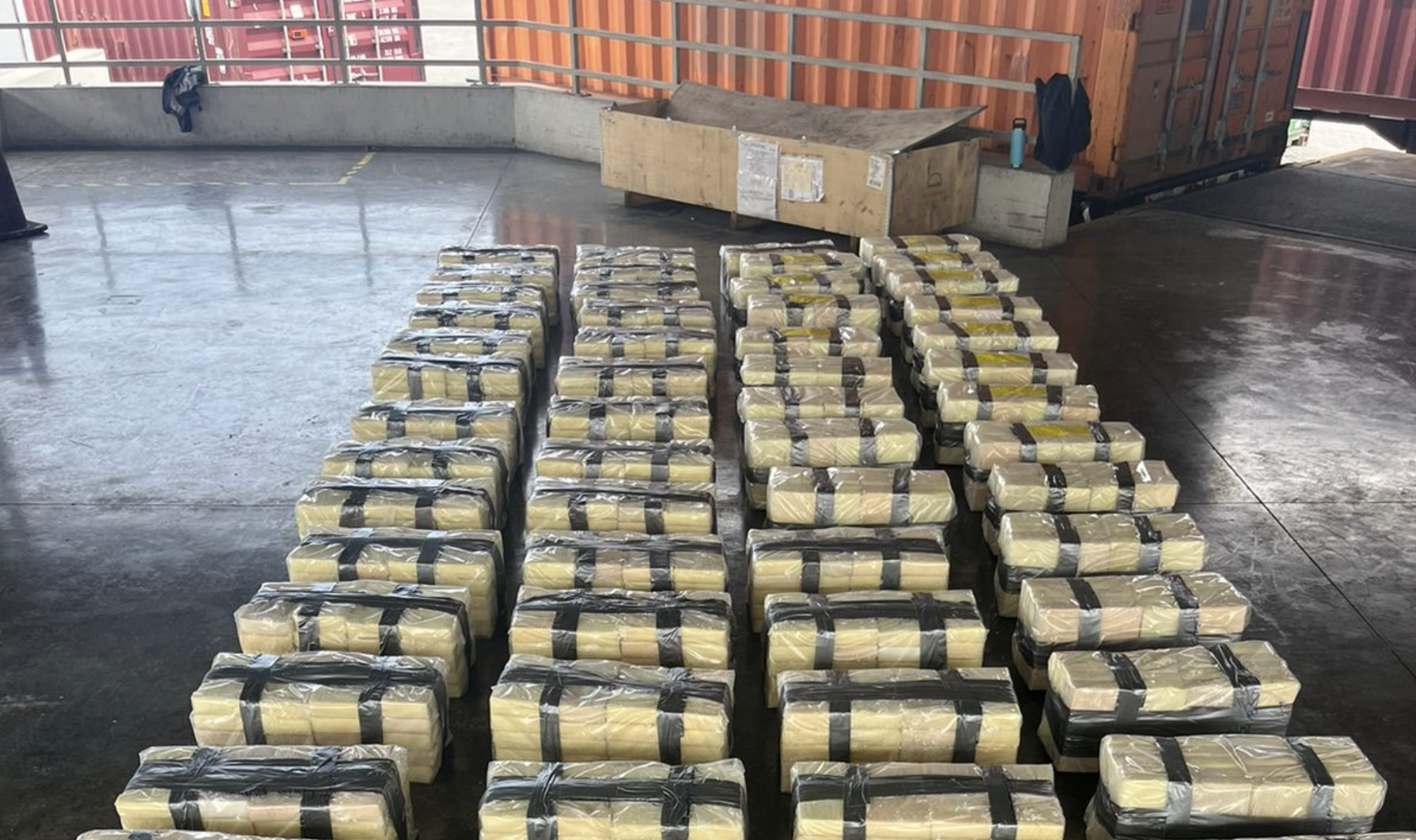
In the early hours of June 23, around 1,500 agents fanned out across five provinces. By the end of the day Costa Rica had carried out the largest anti-narcotics operation in its history.
The judicial police, known by the initials OIJ, called the raid Operation Riverside. Officers hit close to a hundred properties and arrested more than forty people.
The laundromat was the tourist economy
The most striking detail is what the cartel had bought. The seized assets read like a tourism brochure rather than a crime ledger.
According to the inventory reported by Infobae, the haul included six hotels, four houses rented to holidaymakers through apps, a restaurant, a gym, a bullring and several cattle ranches. Prosecutors say these legitimate-looking businesses were used to wash the proceeds of the drug trade.
That is the part that matters to anyone living in or visiting the country. The same hospitality economy that draws foreign residents and tourists had become the cover for moving dirty money.
Guests were even evacuated from one beachfront hotel in Cahuita at three in the morning as officers moved in. The line between a holiday let and a money-laundering vehicle had become uncomfortably thin.
A boss already in American hands
The alleged leader was not among those arrested, because he was already gone. A man known by the nickname Pecho de Rata had been extradited to the United States months earlier to face trafficking charges.
What unnerved investigators is that, by their account, the organisation kept operating even after he left. As La Nación reported, the network ran the business from a distance, a sign of how entrenched it had become.
Among those detained were two prison officers, accused of relaying messages for the boss while he sat in custody. Two former top-flight footballers were also held.
From peaceful exception to transit hub
Costa Rica long sold itself as Central America’s calm exception, a country with no army and a reputation for stability. That image has been eroding fast under the weight of the cocaine trade.
Sitting between the cocaine fields of the south and the markets of the north, the country has turned from a pass-through route into a base where traffickers store, move and now launder their earnings, as our earlier report on the cocaine highway traced. Homicides have climbed to record levels alongside the trade.
Riverside is the second cartel the country has dismantled since late 2025, after an earlier operation broke up a group on the Caribbean coast. The state is fighting back, but the scale of what it keeps uncovering is the real story.
Why the Costa Rica drug laundering matters more than the cocaine
Seizing drugs interrupts a shipment, but seizing the businesses attacks the profit. By going after hotels and rentals, prosecutors are trying to break the machine that turns cocaine money into clean assets.
For investors and foreign residents, the read-through is double-edged. The clean-up shows the state is serious, yet it also confirms how deeply illicit cash has seeped into ordinary commerce, a regional pattern explored in our coverage of narco-finance across the region.
The work is not finished, with more arrests promised and warrants still outstanding. For a country that built its brand on safety, the hardest part may be convincing the world that the laundromat has truly been shut.
More: Costa Rica news in English, every day from The Rio Times.
Frequently Asked Questions
What was Operation Riverside?
It was the largest anti-drug operation in Costa Rica’s history, carried out on June 23. Around 1,500 agents conducted close to a hundred raids across five provinces and arrested more than forty people linked to a major trafficking network.
Why did this Costa Rica drug case target hotels?
Prosecutors say the network used legitimate-looking tourism businesses to launder its profits. The seized assets included six hotels, four holiday rentals, a restaurant, a gym, a bullring and cattle ranches, all allegedly used to disguise the origin of drug money.
Who is Pecho de Rata?
He is the alleged leader of the organisation, known by that nickname, who had already been extradited to the United States to face trafficking charges. Investigators say the network kept operating even after his extradition.
Why does this matter for Costa Rica’s image?
Costa Rica is known as a peaceful, army-free tourist destination, but the cocaine trade has turned it into a transit and laundering hub, with homicides at record levels. The case shows how illicit money has penetrated the very tourism economy the country promotes abroad.
Connected Coverage links to related Rio Times reporting on the regional drug trade.
This article was produced by The Rio Times’ automated newsroom system. How we use AI · Report an error
Read More from The Rio Times