Costa Rica Targets Argentine and Chilean Tourists for 2026–2027
Costa Rica · Life & Culture
Key Facts
—Southern Cone Push. Costa Rica’s ICT launched a 2026–2027 strategy on 19 July to court Argentine and Chilean visitors.
—Arrival Growth. Argentine air arrivals reached 18,956 in the first half of 2026, a 5.5% increase year-on-year.
—Panama’s Star Power. Actress Simone Ashley posted about a stay at the private Isla Secas resort in Chiriquí, Panama.
—Capital Festival. The “San José te quiere aquí” festival offered free cultural and music events in La Sabana Park on 18–19 July.
—Investment Signal. Targeted regional campaigns reinforce Costa Rica’s premium brand for hospitality and real estate investors.
Costa Rica launched a formal strategy to attract Argentine and Chilean tourists on 19 July 2026, a move that signals renewed confidence in Southern Cone outbound travel just as a separate celebrity moment lit up Panama’s Chiriquí province.
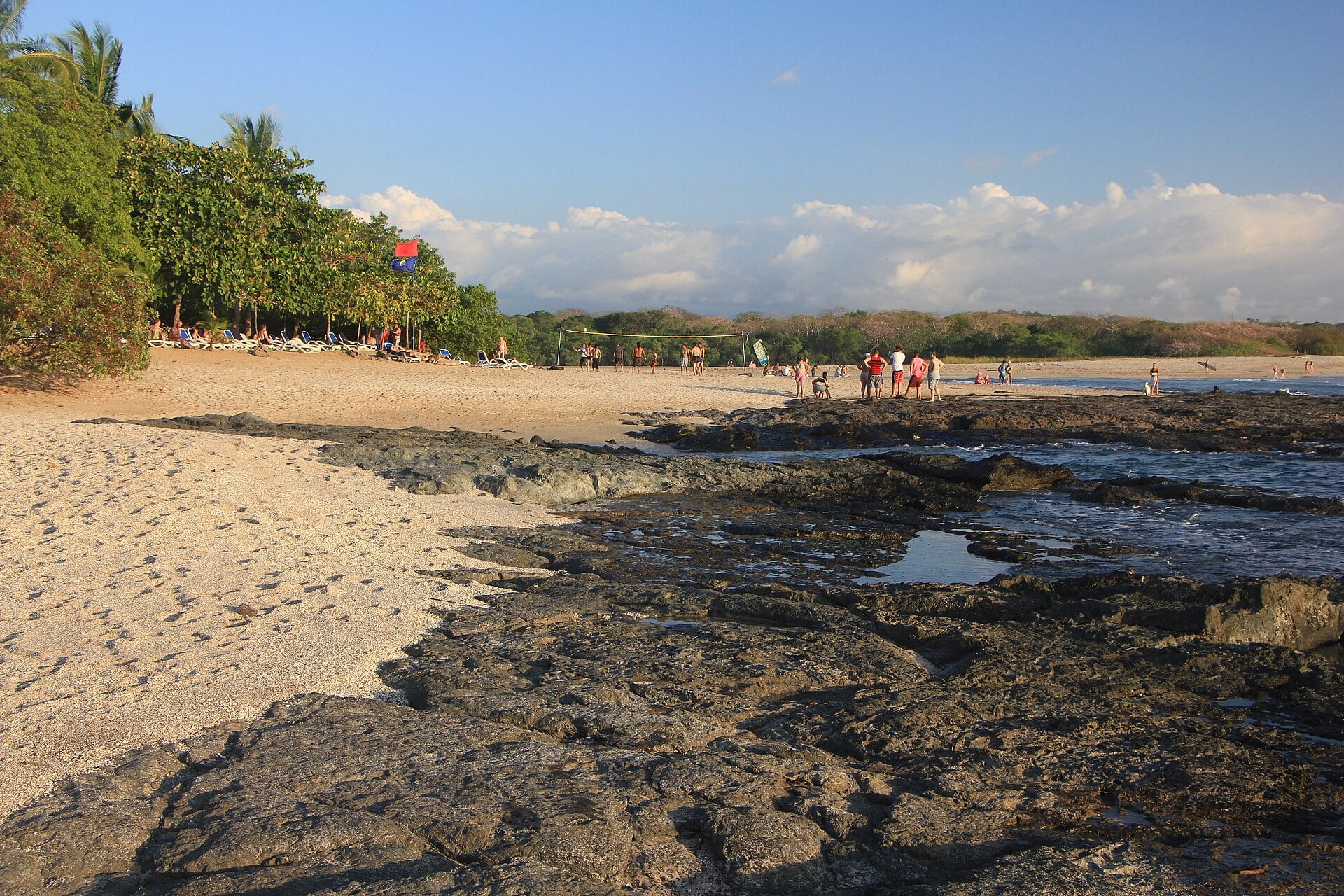
A Calculated Bet on the Southern Cone
The Instituto Costarricense de Turismo (ICT) unveiled its 2026–2027 strategic plan for Argentina and Chile on Saturday, 19 July, targeting travel agents, wholesalers, consumers, media and influencers. The campaign is built around Costa Rica’s established pillars of sustainable tourism, with a deliberate emphasis on nature, gastronomy, culture, adventure and wellness.
The numbers already support the direction. ICT data show 18,956 Argentine tourists arrived by air in the first half of 2026, a 5.5 per cent rise over the same period in 2025.
For a country that positions itself as a premium, eco-conscious destination, sustained growth from dollarised or relatively stable Southern Cone economies represents a high-value market segment worth cultivating.
Where the Campaign Meets the Ground
The promotional itinerary is already in motion, with influencer visits scheduled for the Mercado Central de San José, Limón, Puerto Viejo, Cahuita, Tortuguero and La Fortuna de San Carlos. These are not accidental choices; they showcase the Caribbean coast, the northern lowlands and the capital’s urban culture in a single narrative arc.
Simultaneously, the Municipality of San José ran its own domestic activation, the “San José te quiere aquí” festival, across 18 and 19 July in Parque Metropolitano La Sabana. The free-entry event combined arts, sports, gastronomy and a concert by Colombian group Piso 21, reinforcing the capital’s liveability at a moment when international eyes were on the country.
A Parallel Spotlight on Panama’s Chiriquí Province
While Costa Rica worked its institutional channels, Panama received a different kind of exposure. British actress Simone Ashley, known globally for her roles in Bridgerton and Sex Education, posted vacation photographs from Isla Secas, an exclusive private-island resort in the Gulf of Chiriquí off Panama’s Pacific coast.
Ashley described the trip as “probably the best trip ever” in a Spanish-language summary of her social media post. The resort itself is a rarefied product, catering to ultra-high-net-worth travellers seeking seclusion, marine biodiversity and barefoot luxury, a segment that quietly competes with Costa Rica’s own Papagayo Peninsula and Osa Peninsula offerings.
What Argentine and Chilean Tourists Mean for the Business Case
For investors and expats already positioned in Costa Rica, the ICT’s Southern Cone focus is more than a marketing headline. Argentine and Chilean visitors tend to stay longer and spend more per trip than the regional average, and they often overlap with the profile of a prospective second-home buyer or remote worker scouting a base.
A 5.5 per cent year-on-year increase in Argentine air arrivals, achieved without a dedicated campaign, suggests latent demand that a structured push could accelerate. Hospitality operators, property developers and service exporters across Guanacaste, the Central Valley and the southern Pacific zone stand to benefit directly from a diversified source market that reduces over-reliance on North American and European feeder cities.
The Regional Read-Through for Frontier Living
The juxtaposition of Costa Rica’s policy-driven tourism strategy and Panama’s organic celebrity moment illustrates a broader dynamic in Central American frontier markets. Institutional promotion builds steady, measurable growth, while high-profile organic exposure can shift perceptions of a destination overnight.
For the internationally minded reader, the takeaway is clear: the isthmus is fragmenting into distinct, competing luxury and lifestyle brands. Costa Rica is doubling down on its sustainable, accessible-premium identity, while Panama’s Chiriquí province is carving out a niche as a secluded, high-barrier-to-entry retreat for global tastemakers.
What to Watch in the Coming Quarters
The ICT’s 2026–2027 plan will be measured by conversion rates from the travel trade and by sustained arrival growth from Buenos Aires, Santiago and their secondary cities. Any announcement of new direct air links or expanded frequencies from Southern Cone carriers would be a material signal of the strategy’s traction.
On the Panama side, the Isla Secas moment is a reminder that luxury tourism in the region is increasingly driven by visual, social-media-native storytelling. Investors in hospitality and branded residences should watch whether Chiriquí’s profile rises enough to draw comparative attention away from Costa Rica’s established eco-luxury strongholds.
More: Costa Rica news in English, every day from The Rio Times.
Frequently Asked Questions
Why is Costa Rica targeting Argentine and Chilean tourists specifically?
Costa Rica sees Argentina and Chile as high-value source markets with growing outbound travel capacity. Argentine air arrivals already rose 5.5 per cent in the first half of 2026, and the ICT believes a structured campaign can accelerate this trend while attracting visitors who align with the country’s sustainable-tourism brand.
Is Simone Ashley’s trip to Panama connected to Costa Rica’s tourism campaign?
No, the two events are entirely separate. Simone Ashley vacationed at the private Isla Secas resort in Panama’s Chiriquí province and shared her experience on social media.
There is no evidence linking her visit to any Costa Rican tourism initiative, though both stories highlight Central America’s growing appeal as a luxury travel region.
What does this mean for expats and investors in Costa Rica?
A successful Southern Cone campaign diversifies the visitor base and can strengthen demand for short-term rentals, hospitality services and real estate. Argentine and Chilean travellers often become repeat visitors and property buyers, which supports asset values and business stability in key expat and investment zones.
Connected Coverage
Costa Rica Gains a Texas Route as Antigua Hosts Wedding Congress
Costa Rica Tourist Arrivals Rise 7.8% in the First Half of 2026
This article was produced by The Rio Times’ automated newsroom system. How we use AI · Report an error
Read More from The Rio Times