Colombia’s Informal Work: Over Half Still Outside the System
Between March and May 2025, official data from Colombia’s national statistics agency show that 55.9% of employed people worked in informal jobs. This means more than half of all workers had no formal contract, social security, or legal protections.
The figure has barely changed from the previous year, highlighting how deeply rooted informality remains in Colombia’s job market. The Caribbean coast stands out as the region with the highest informality.
Cities like Sincelejo, Riohacha, and Valledupar report rates well above 60%. In contrast, Colombia’s largest cities, including Bogotá and Medellín, maintain much lower rates, around 37%. The gap between rural and urban areas is striking.
In rural regions, informality exceeds 80%, while in major cities it is closer to 43%. Micro and small businesses drive this trend. Microenterprises, in particular, show informality rates near 85%.
Small businesses also have high rates, while medium and large companies keep informality much lower. Most informal workers in cities are young and have limited education. They often work in small firms or as self-employed.
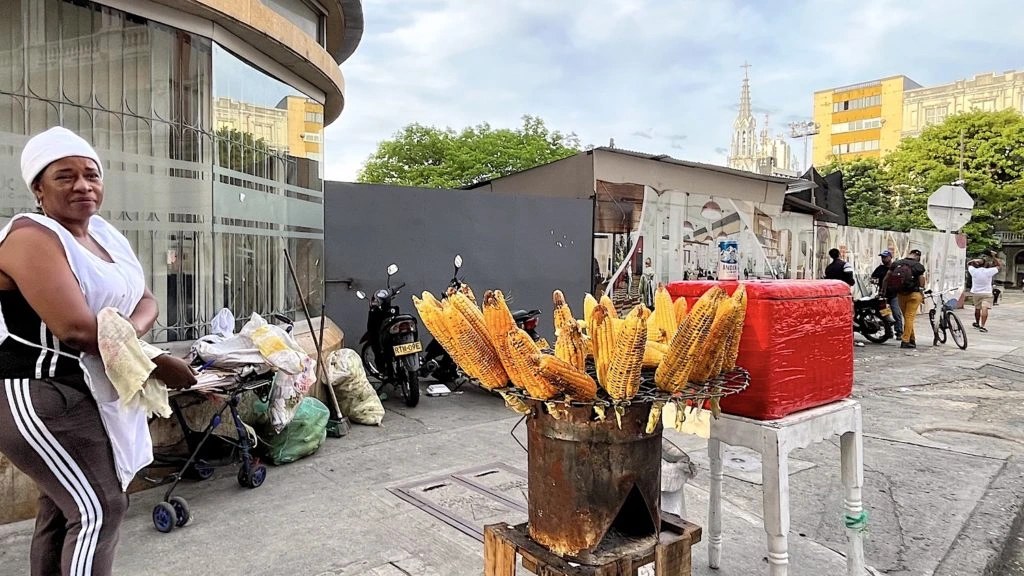
In rural areas, informal work is mostly in agriculture, livestock, or mining. Several factors keep informality high. High costs and complex rules make it hard for small businesses to formalize.
Many cannot afford the minimum wage or the administrative burden. These barriers push millions to work outside the formal system, especially in areas with weak local job markets.
Recent reforms have tried to tackle the problem by offering incentives for youth hiring and lowering payroll taxes. Despite these efforts, informality persists because the root causes—low productivity, limited access to finance, and weak education—remain unsolved.
The informal sector allows quick entry into the job market but comes at a cost: workers lack protection, businesses are less productive, and the state collects less tax revenue.
This reality shapes Colombia’s economy. High informality limits productivity and reduces the country’s ability to invest in public services. The business community faces a fragmented market, where formal and informal firms compete on uneven ground.
Addressing informality will require more than legal changes. It needs targeted support for small businesses, investment in education, and policies that fit local realities.
Colombia’s experience shows that informality is not just a labor issue. It is a central challenge for economic growth and social protection. The numbers reveal that tackling informality will shape the country’s future stability and prosperity.
More: Colombia news in English, every day from The Rio Times.
This article was produced by The Rio Times’ automated newsroom system. How we use AI · Report an error
Read More from The Rio Times