Colombian Peso Faces Pressure Amid Oil Decline and Overvaluation Concerns
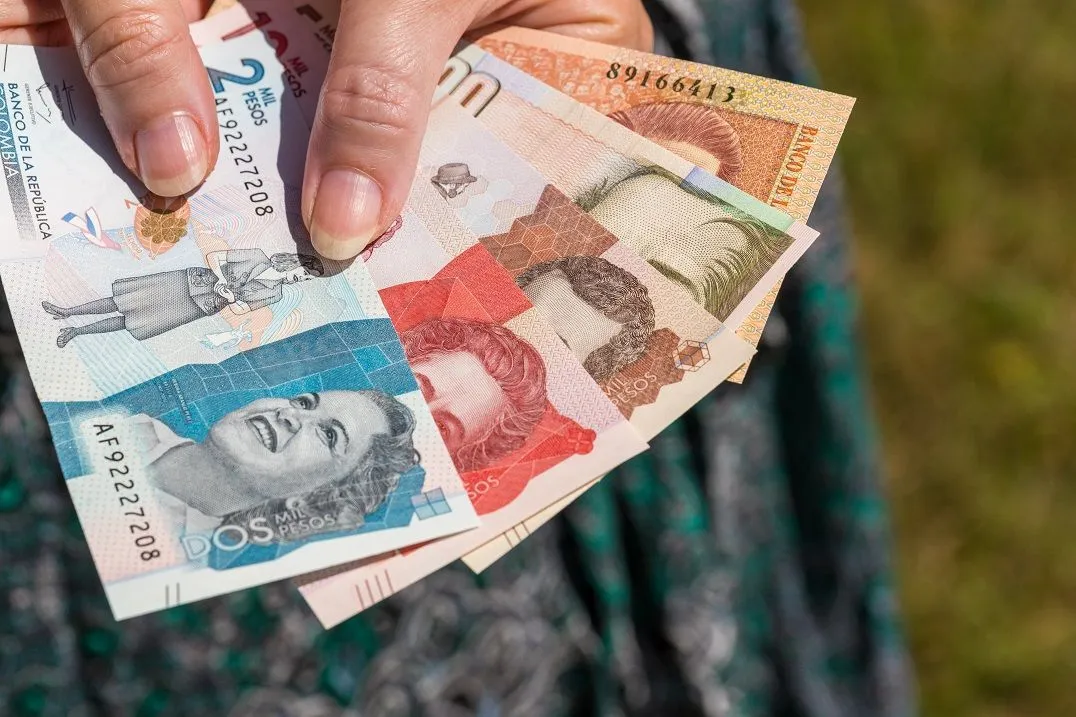
The Colombian peso (COP) weakened to 4,122.01 COP per USD this morning, February 26, 2025, reflecting a 0.23% decline from yesterday’s close of 4,112.63 COP per USD.
This marks the continuation of a depreciation trend that saw the peso lose 0.96% on February 25, as reported by market analysts and financial institutions. Falling oil prices, which dropped below $75 per barrel, have undermined Colombia’s export revenues and weighed heavily on the peso.
Colombia’s economy relies on oil for a significant share of its foreign earnings, making the currency vulnerable to fluctuations in crude prices. Additionally, the US dollar strengthened globally due to rising Treasury yields and robust US economic data, further pressuring the peso.
Morgan Stanley recently flagged risks tied to the peso’s overvaluation following its sharp 8% appreciation earlier this year. The bank highlighted that Colombia’s high-interest rate differential—4.25% above US rates—has attracted substantial carry trade investments.
However, it warned that global volatility or fiscal challenges could trigger a correction. Morgan Stanley also noted Colombia’s fiscal deficit exceeding 5% of GDP as a key vulnerability.
Overnight trading volumes remained light at $50–100 million as investors awaited today’s US retail sales data. Local traders reported wider spreads in early trading (4,120–4,125 COP), reflecting cautious sentiment.
Colombian Peso Faces Pressure Amid Global Risk Aversion
ETF flows also mirrored this risk aversion. On February 25, USD-denominated ETFs saw inflows of $10 million, while Colombia-focused ETFs experienced outflows of $3 million.
Technical indicators suggest further downside risks for the peso. Resistance levels stand at 4,130–4,150 COP, with a potential breakout toward 4,200 COP if bearish momentum persists. Support levels are seen at 4,110 COP and 4,084 COP, while the relative strength index (RSI) remains neutral around 50.
Market participants remain focused on upcoming US economic data and any signals from Colombia’s central bank regarding inflation or exchange rate stability. While high interest rates have supported the peso through carry trades, concerns about overvaluation and fiscal imbalances suggest mounting risks for further depreciation in the medium term.
More: Colombia news in English, every day from The Rio Times.
This article was produced by The Rio Times’ automated newsroom system. How we use AI · Report an error
Read More from The Rio Times