Colombia’s Petro Will File a Fracking Ban Days Before Handing Over Power

Energy
Key Facts
—The move. Colombia’s outgoing Petro government will file a bill to ban fracking on 20 July.
—The timing. It lands as the new Congress opens, just weeks before a new president takes office.
—The clash. President-elect Abelardo de la Espriella wants to revive fracking, not outlaw it.
—The rationale. The government cites scientific evidence of risks to water, ecosystems and public health.
—The odds. The bill’s fate rests with the new Congress and the incoming government, not Petro.
The proposed Colombia fracking ban is a parting shot from an outgoing government, aimed squarely at the energy plans of the president about to replace it.
The government of President Gustavo Petro says it will file the bill on 20 July. That is Colombia’s Independence Day, and the day the new Congress for 2026 to 2030 is sworn in.
The measure would ban hydraulic fracturing outright. It is led jointly by the ministries of mines and energy and of environment, backed by lawmakers from Petro’s political movement.
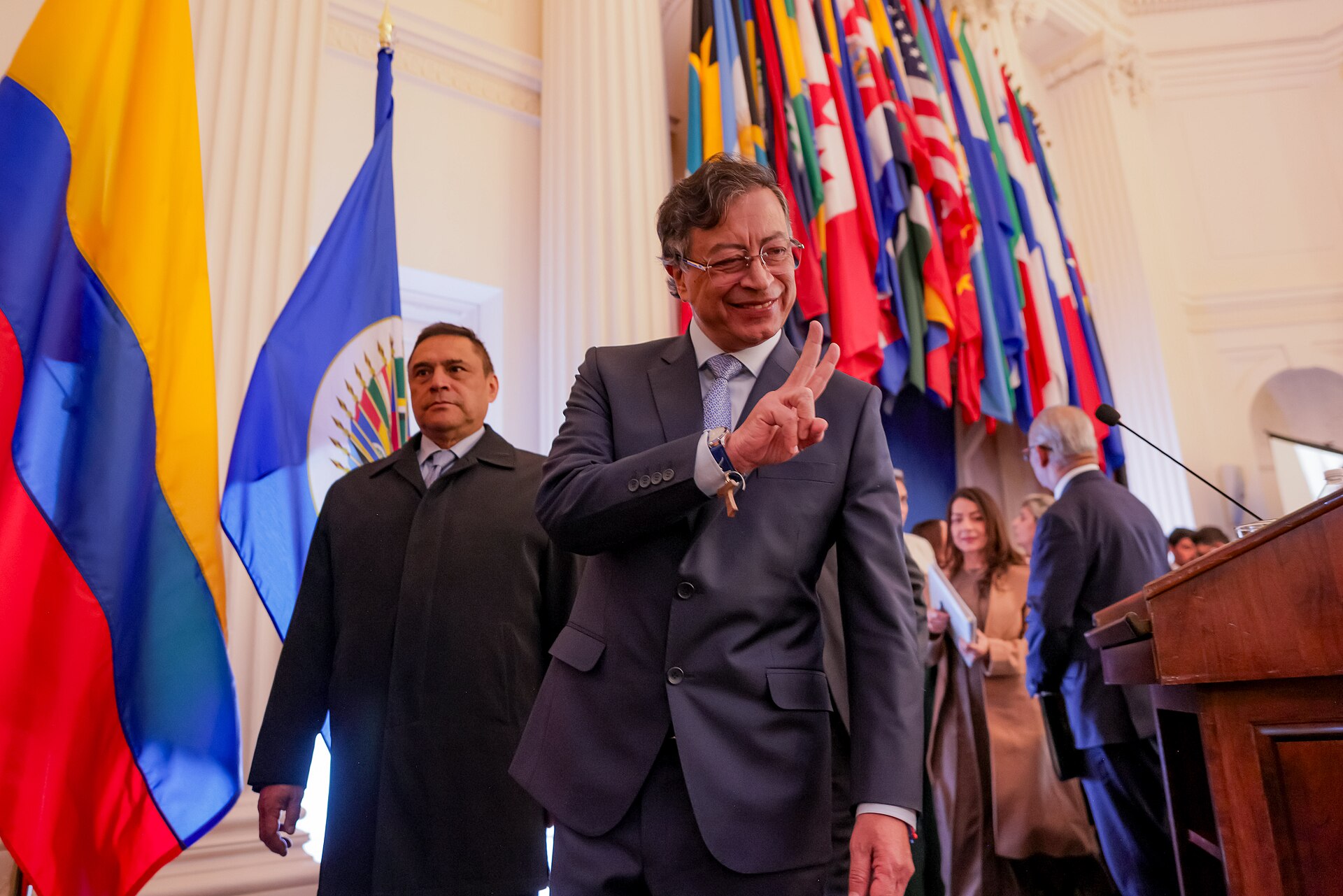
Why the Colombia fracking ban is being filed now
The timing is the whole point. By filing on the first day of the new legislature, the outgoing team hopes to lock the debate in before it leaves office.
The government frames it as science-led. It says studies show clear environmental, social and public-health risks from fracking, and casts the ban as protecting water and ecosystems.
The move fits Petro’s wider record. His administration has pushed an energy transition away from fossil fuels, freezing new exploration and championing solar and wind.
It also marks a last stand. Six earlier attempts to ban fracking stalled in Congress during Petro’s term, so this is a final effort before power changes hands.
Why the Colombia fracking ban faces long odds
The incoming president wants the opposite. Abelardo de la Espriella, who takes office in August, has pledged to revive oil and gas exploration, including fracking.
His pitch is a controlled version. He backs what his team calls responsible fracking, under strict environmental standards and barred from sensitive areas such as high-altitude wetlands and national parks.
His case is fiscal as much as energy. He argues that tapping underground reserves could strengthen state finances and reduce the need to raise taxes.
That leaves the bill’s fate uncertain. It will be the new Congress and the incoming government, not Petro, who decide whether the ban ever becomes law.
For a foreign investor, the read is about direction. The filing signals how sharply Colombia’s energy policy is set to swing as one government replaces another.
The contrast could hardly be starker. Petro leaves office having frozen new oil exploration, while his successor campaigned on reviving the very industry Petro sought to wind down.
The stakes for the state are large. Colombia relies heavily on oil for exports and public revenue, so any shift in fossil-fuel policy ripples through the wider economy.
The fracking debate is not new here. Successive governments have wrestled with whether to allow unconventional drilling, and pilot projects have long been a flashpoint.
The environmental argument is central. Critics say fracking threatens groundwater and can trigger tremors, while supporters insist modern techniques can manage those risks.
The political maths favours the incoming side. A president who wants fracking, working with a fresh Congress, can simply let a hostile bill wither rather than fight it head-on.
There is symbolism in the choice of day. Filing on Independence Day, as the new legislature convenes, turns a technical bill into a public statement of the outgoing government’s values.
For now, the ban is a marker, not a law. It sets down where the departing government stood, and dares the next one to reverse course in full view.
What is the Colombia fracking ban bill?
It is a bill the outgoing Petro government plans to file on 20 July to ban hydraulic fracturing outright in Colombia. Led by the mines and environment ministries, it cites scientific evidence of risks to water, ecosystems and public health.
Why does the timing matter?
The bill is filed on the day the new Congress opens, just weeks before president-elect Abelardo de la Espriella takes office. He supports reviving fracking, so the outgoing government is trying to set the terms of the debate before it loses power.
Will the fracking ban pass?
That is far from certain. Six earlier attempts failed under Petro, and the incoming government favours fracking, so the bill’s fate now rests with a new Congress and a president who opposes it.
More: Colombia news in English, every day from The Rio Times.
Frequently Asked Questions
Why is Colombia's outgoing Petro government filing a fracking ban bill on July 20?
The Petro government chose July 20 because it is both Colombia's Independence Day and the day the new Congress for 2026 to 2030 is sworn in. By filing on the first day of the new legislature, the outgoing team hopes to lock the debate in place before it leaves office.
What is the stated rationale behind the proposed Colombia fracking ban?
The government cites scientific evidence of risks to water, ecosystems, and public health as justification for the bill. It frames the measure as science-led and positions it as a means of protecting the environment and communities from hydraulic fracturing.
What are the chances the Colombia fracking ban actually becomes law?
The bill's fate rests entirely with the new Congress and the incoming government, not with President Petro. This is complicated by the fact that President-elect Abelardo de la Espriella wants to revive fracking rather than outlaw it, putting him in direct opposition to the bill.
This article was produced by The Rio Times’ automated newsroom system. How we use AI · Report an error · Editorial responsibility: Matthias Camenzind, Editor-in-Chief
In depth
LatAm Markets: Live Signals → — real-time movers, turnover leaders and FX across Latin America.