Bancolombia Cuts Its 2026 Growth Forecast for Colombia to 2.6%

- Bancolombia cut its 2026 growth forecast for Colombia to 2.6%, down from 2.9%, in its late-June update.
- The bank says 2.6% is now close to the economy’s real potential — not a passing dip.
- Weak investment is the main drag: it sits near 16% of GDP and is seen growing only about 3.5% this year.
- Inflation is expected to end 2026 around 6.4%, above the central bank’s target for a sixth straight year.
- Bancolombia sees two more 75-basis-point rate hikes, taking the policy rate toward 12.75%.
Bancolombia, Colombia’s largest bank, has cut its 2026 growth forecast for the country’s economy to 2.6%, down from 2.9% in its previous projection — a level the bank now describes as close to Colombia’s true potential rather than a temporary slowdown.
The revision was published in late June by the bank’s economic research team, led by chief economist Laura Clavijo, and it lands just weeks before Colombia changes government. It frames a year of stubborn inflation, high borrowing costs and investment that simply refuses to recover.
For anyone living in, investing in or trading with Colombia, the takeaway is straightforward: the economy is still growing after a weak 2025, but slowly, and with the same unresolved problems weighing on the outlook.
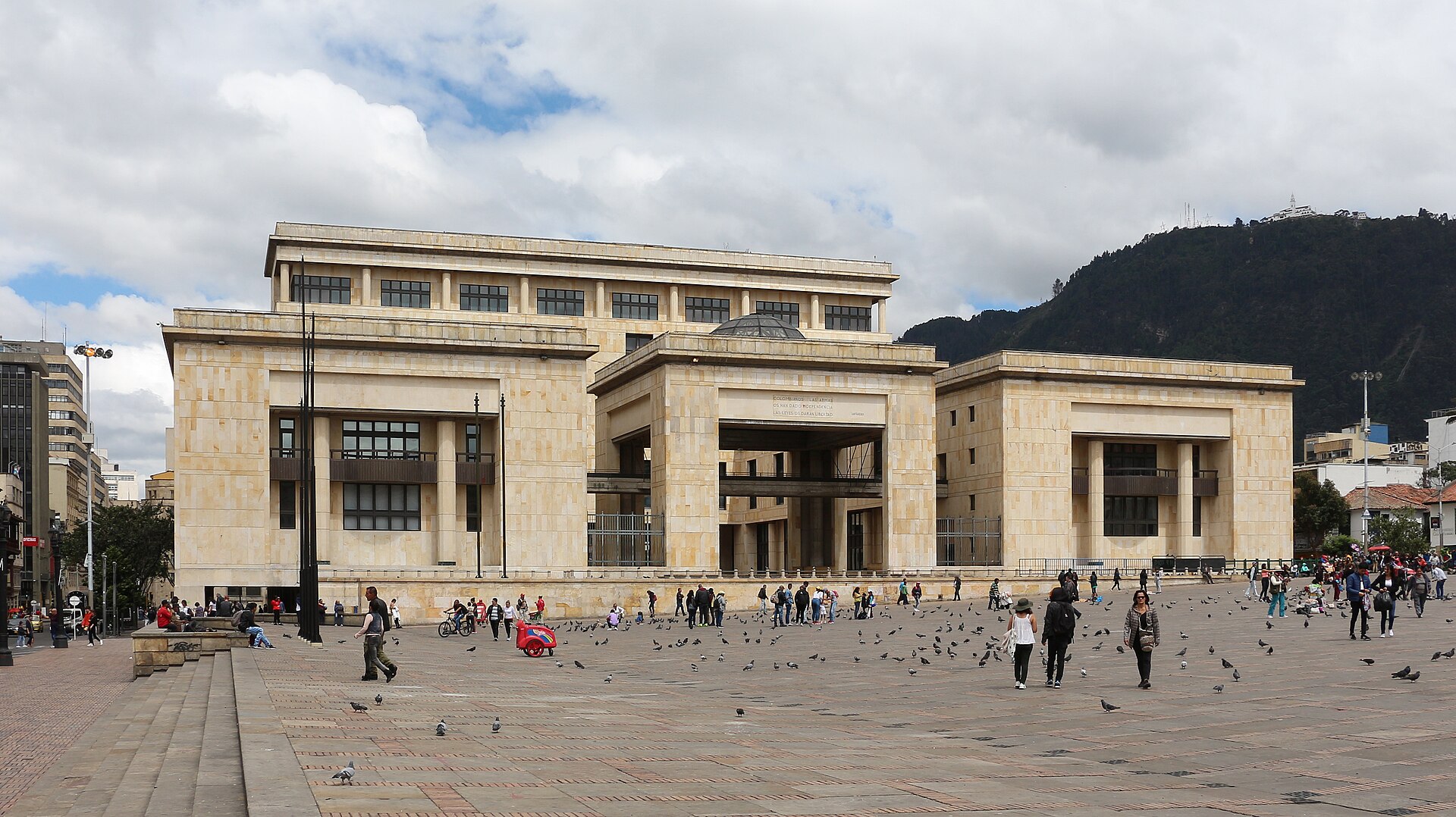
What Bancolombia changed in its forecast
The headline number is the cut to 2.6% from 2.9%. That may sound like a small adjustment, but the framing matters.
Bancolombia is no longer treating slow growth as a temporary hangover from 2025; it now calls 2.6% roughly the pace the Colombian economy can sustain given its current structure. In plain terms, the bank is telling clients not to expect a strong rebound this year.
Growth is still being carried by household spending, helped by money that Colombians abroad send home, plus public spending. But the engines are tiring.
Bancolombia expects the entertainment sector to slow to about 5% growth after expanding near 10%, agriculture to add just 1.8% as the El Niño weather pattern hits crops, and mining and energy to keep shrinking.
Why the downgrade is really about investment
The clearest signal in the report is investment. Money put into new factories, machinery and infrastructure has stalled since the pandemic and now sits at only about 16% of the economy — low for a country that wants to grow faster.
Bancolombia expects investment to rise just 3.5% in 2026, and mostly from regional projects already under way rather than big new ones.
Part of the problem is a gap in large road and construction programmes: the earlier wave of “4G” highway concessions is winding down, and few “5G” projects of similar scale have replaced them. Clavijo put it bluntly, describing investment as the real drag on the economy.
Until companies feel confident enough to build again, the bank argues, growth is capped.
Live Company IntelligenceGrupo Cibest S.A. — the full investor dossier
Wall Street view
Valuation & profitability
Price & risk
$49.9252-wk high
$103.97
Revenue trend · 6y
Ownership
Dividend
Inflation and interest rates stay high
Bancolombia sees inflation closing 2026 near 6.4%, still above the central bank’s tolerance range for a sixth consecutive year. It points to two main pressures: a steep rise in the minimum wage, which pushes up prices across the economy, and the effect of El Niño on food.
Clavijo noted that most of the bank’s models actually point to higher inflation, though Bancolombia stays slightly more optimistic than analysts who see it near 7%.
To fight that, Bancolombia expects the Banco de la Republica to raise its policy interest rate two more times, by 75 basis points each, taking it toward 12.75%. That keeps borrowing expensive for households and companies — one more reason investment and demand are expected to stay subdued.
What it means for people and businesses in Colombia
For residents, the mix of high rates and above-target inflation means credit stays costly and price rises keep eating into wages, even as jobs tied to consumption hold up. For foreign residents and investors, two things stand out.
The peso has been strengthening, with Bancolombia projecting an average near 3,635 per US dollar before a mild weakening later in the year, which affects anyone converting income across currencies.
The bigger question is fiscal. Bancolombia projects a total government deficit around 6.5% of GDP this year, with public debt near 65% of GDP, and says Colombia needs an adjustment of roughly 30 to 40 trillion pesos to get back within its self-imposed fiscal rule. That burden falls on the incoming government and keeps the risk of a new tax reform on the table. Clavijo still argued Colombia’s potential is “immense” if it can restore investor confidence and legal certainty for foreign capital.
What to watch next
The near-term signposts are the central bank’s next rate decisions, monthly inflation prints, and the first economic signals from the new government after it takes office. If investment stays weak and inflation refuses to ease, forecasts like this one could be trimmed again.
If confidence returns and big infrastructure projects restart, Colombia has room to beat the cautious 2.6% the country’s largest bank is now penciling in.
How much does Bancolombia expect Colombia’s economy to grow in 2026?
Bancolombia now expects Colombia’s economy to grow 2.6% in 2026, cut from an earlier 2.9%. The bank describes that pace as close to the economy’s potential, roughly in line with 2025 rather than a strong recovery.
Why is Colombia’s growth forecast so low?
The main reason is weak investment, which sits near 16% of GDP and is seen rising only 3.5% this year, with few large infrastructure projects in the pipeline. High interest rates, above-target inflation and a shrinking mining-and-energy sector add to the drag.
What will happen to inflation and interest rates in Colombia?
Bancolombia sees inflation ending 2026 around 6.4%, above the central bank’s target for a sixth straight year. It expects the Banco de la Republica to raise its policy rate two more times, by 75 basis points each, toward about 12.75%.
Background: Inside Brazil’s Biggest-Ever Bank Fraud: The Banco Master Scandal.
Background: Moraes Family Firm Warned of Corruption Risk in Master Advice.
More: Colombia news in English, every day from The Rio Times.
Frequently Asked Questions
What is Bancolombia's updated growth forecast for Colombia in 2026 and why did it change?
Bancolombia cut its 2026 growth forecast for Colombia to 2.6%, down from its previous projection of 2.9%, in a late-June update led by chief economist Laura Clavijo. The bank describes 2.6% as close to Colombia's true economic potential rather than a temporary slowdown.
What is dragging on Colombia's economic growth according to Bancolombia?
Weak investment is identified as the main drag on Colombia's economy, with investment sitting near 16% of GDP and expected to grow only about 3.5% in 2026. This reflects unresolved structural problems that continue to weigh on the outlook.
What does Bancolombia expect for Colombia's inflation and interest rates in 2026?
Bancolombia expects inflation to end 2026 around 6.4%, which would mark a sixth straight year above the central bank's target. The bank also foresees two more 75-basis-point rate hikes, pushing the policy rate toward 12.75%.
This article was produced by The Rio Times’ automated newsroom system. How we use AI · Report an error · Editorial responsibility: Matthias Camenzind, Editor-in-Chief
LatAm Markets: Live Signals → — real-time movers, turnover leaders and FX across Latin America.