Colombia Approves a US$204 Billion Budget for 2027
COLOMBIA · PUBLIC FINANCE
Key Facts
- —What was approved The headline size of Colombia’s 2027 national budget, on 14 September.
- —How big COP 634.9 trillion, about US$204.2 billion at Monday’s official exchange rate of 3,109.30 pesos to the dollar.
- —A translation trap In Spanish, un billón means a million million. Reports of a 600 billion peso budget are out by a factor of a thousand.
- —What is not settled Only the total was approved. The line-by-line articulado is still to come, with a deadline of 20 October.
- —The line that hurts Debt service alone is COP 155.4 trillion, about US$50 billion, up 54.7% on the previous year.
- —The other proposal The finance minister says he is studying cutting Colombia’s ministries from 18 to 13. No ministries have been named.
Colombia will spend a quarter of next year’s budget servicing debt. The total went through on Monday; the details have not.
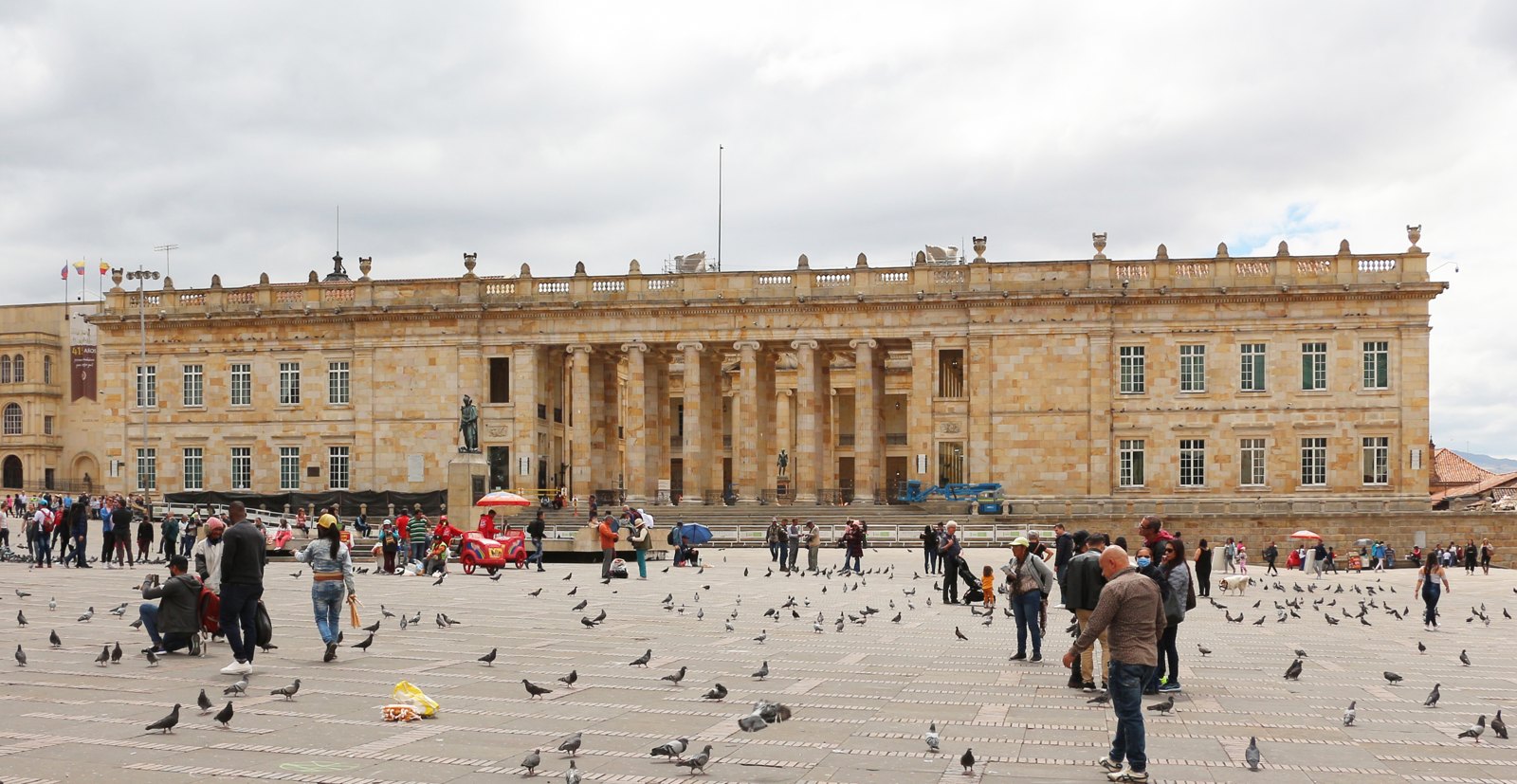
Colombian legislators approved a 2027 budget of COP 634.9 trillion, roughly US$204.2 billion, on 14 September. Only the total was voted; the article-by-article text is due by 20 October.
The Number, Correctly Stated
The budget is COP 634.9 trillion, about US$204.2 billion. That conversion uses the official Colombian rate for 15 September, 3,109.30 pesos to the dollar.
Spanish and English count large numbers differently. Un billón in Spanish is a million million, which English calls a trillion.
Several English-language accounts have rendered the figure as 600 billion pesos. That would be roughly US$193 million, and would not fund a mid-sized city.
For context, Colombia’s gross domestic product is around US$430 billion. The budget is close to half of it.
Only Half the Vote Has Happened
Colombian budget approval runs in two stages. Congress first votes the monto, the overall ceiling. It then votes the articulado, the text that assigns money to purposes.
The monto passed on 14 September. The articulado has a constitutional deadline of 20 October.
Until that second vote, no ministry knows what it is getting. Announcements about programme funding made in the meantime are projections.
If Congress misses the October deadline, the executive can issue the budget by decree. That provision has been used before and is politically expensive.
Debt Service Is the Story
Servicing debt will cost COP 155.4 trillion, about US$50 billion, in 2027. That is an increase of 54.7% on the current year.
It amounts to roughly a quarter of all planned spending, before a peso reaches a school, a hospital or a road.
Two forces drive it. Colombia has borrowed more, and the price of borrowing has risen sharply as United States yields have climbed toward 5%.
Every percentage point on global rates translates into pesos that cannot be spent on anything else.
Eighteen Ministries, Possibly Thirteen
Finance Minister Miguel Gómez spoke at the 25th Congreso Nacional Cooperativo. The government, he said, is studying a reduction of ministries from 18 to 13.
No ministries were named. No savings figure was given. No timetable was offered.
The proposal cannot be enacted by the executive. Article 150-7 of the Colombian constitution reserves the structure of the national administration to Congress, which must pass a law.
Colombia added ministries under the current government, including a ministry of equality. Reversing that would require the same Congress that created them.
At present this is a minister describing a study, not a bill.
What It Means in Practice
For anyone living in Colombia, the budget total decides very little on its own. The articulado decides subsidies, health transfers and public investment.
The debt service figure is the constraint everything else is negotiated inside. A quarter of the budget is spoken for before the argument starts.
Colombian departments and municipalities receive transfers set by formula in the Sistema General de Participaciones, which the budget must accommodate.
Health system funding is the most contested line and has been the flashpoint in each of the past three budget cycles.

Where the Money Would Come From
Colombian budgets are routinely approved with revenue assumptions that the tax authority does not meet.
The government has floated tax reform in each of the past two years. It secured less than it asked for each time.
Oil revenue, principally Ecopetrol dividends and royalties, remains a substantial share and depends on a Brent price that reached US$109 this week.
A higher oil price helps the 2027 budget. It also raises fuel costs for Colombian households, which the government subsidises.
What to Watch
The articulado vote, due by 20 October. That is where the real decisions are made.
The tax bill that usually accompanies a budget with an optimistic revenue line.
Whether the ministry reduction appears as an actual bill or remains a study.
And the peso. It trades at 3,109.30 to the dollar. Every move changes the dollar cost of Colombian debt service without anyone voting on it.
More: Colombia news and analysis, every day from The Rio Times.
Frequently Asked Questions
How big is Colombia’s 2027 budget?
COP 634.9 trillion, about US$204.2 billion at the official rate of 3,109.30 pesos to the dollar.
Why do some reports say 600 billion?
A translation error. Un billón in Spanish means a million million, which English calls a trillion.
Is the budget final?
No. Only the total was approved on 14 September. The line-by-line articulado is due by 20 October.
How much goes to debt service?
COP 155.4 trillion, roughly US$50 billion, an increase of 54.7% and about a quarter of all spending.
Will Colombia cut its ministries?
The finance minister says a reduction from 18 to 13 is being studied. No ministries were named and it would require a law of Congress.
What happens if Congress misses the deadline?
The executive can issue the budget by decree. It has been done before and carries a political cost.
Sources: Congreso de la República de Colombia, Ministerio de Hacienda, Banco de la República (TRM), Portafolio, La República.
This article was produced by The Rio Times’ automated newsroom system. How we use AI · Report an error
In depth
Read More from The Rio Times