Climate Change Drives Up Global Food Prices
Climate change is pushing up global food prices, especially for staples like wheat and coffee. Rising temperatures and unpredictable weather patterns reduce crop yields, driving costs higher.
Wheat prices recently hit a 14-year high. Droughts and heatwaves in key wheat-producing regions like the U.S., Canada, and Europe have caused significant losses.
The conflict between Russia and Ukraine, both major wheat exporters, has worsened supply shortages. This situation drives competition and spikes prices globally.
Coffee production also faces challenges. In Brazil, a major coffee producer, changing climate conditions have resulted in lower yields.
African cocoa and Vietnamese coffee producers experience similar issues, pushing up prices further. Other crops, like rice, sugar, and palm oil, are struggling too.
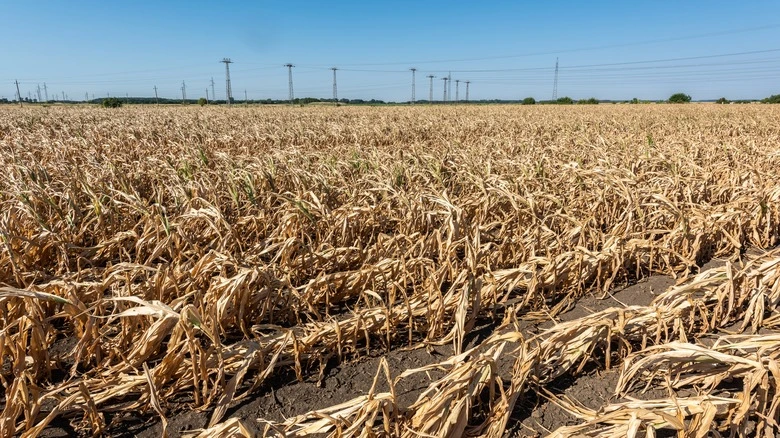
India and Thailand, key exporters, have faced severe droughts impacting their harvests. Flooding in Pakistan has devastated rice fields, adding to the global shortfall.
The broader impact on food prices is significant. A European Central Bank analysis projects food prices could add 1.8% to inflation rates by 2035.
In addition, governments may need to intervene to manage inflation and stabilize economies.
Climate change isn’t the only factor. Geopolitical conflicts, especially the Russia-Ukraine war, have disrupted global food supplies.
Impact of Russia-Ukraine Conflict
Russia and Ukraine supply 30% of global wheat exports. The war has slashed these exports, driving up global prices.
However, experts suggest several solutions. Diversifying crops, improving agricultural resilience, and adopting sustainable practices can help.
Reducing reliance on chemical fertilizers, enhancing grain storage, and supporting local staple food production over export-oriented cash crops are crucial steps.
Addressing these challenges involves changing food production and distribution approaches.
It requires global cooperation and sustainable solutions to build a resilient food system. This is crucial for maintaining stable food prices and supporting communities worldwide.
In short, climate change, geopolitical conflicts, and current agricultural practices intersect to drive up global food prices.
Coordinated efforts are essential to ensuring food security and economic stability in an increasingly unpredictable climate. Addressing these issues is vital for a sustainable future.
More: Brazil news in English, every day from The Rio Times.
This article was drafted with automated assistance and reviewed before publication. How we use AI · Report an error
Read More from The Rio Times