Cameroon Sugar Upstart Bets $100 Million Against Castel
CAMEROON · BUSINESS
Key Facts
The project: Tycoon Nassourou Issa’s Nasco Group is building a $100 million (about 58 billion CFA francs) sugar mill, with civil works now set to begin.
The financing: Société Générale’s Cameroonian unit and local lender CCA-Bank are arranging the syndicated loan behind the plant.
The target: Issa says the mill will produce 300,000 tons of sugar a year by 2028 — more than any refinery in the region today.
The incumbent: The Castel family’s Sosucam produces between 120,000 and 160,000 tons a year, against national demand estimated near 300,000 tons.
An exit under way: Somdiaa, Castel’s agro-industrial arm, has signalled its withdrawal and is seeking a buyer for its 82 percent stake in Sosucam.
The catch: A plant this size needs vast, reliable cane supply — the advantage Sosucam built over decades in the Upper Sanaga plantations.
A new Cameroon sugar mill worth US$100 million is moving from plan to construction. Société Générale and CCA-Bank are financing tycoon Nassourou Issa’s bid to out-produce the Castel family’s Sosucam by 2028.
Cameroon sugar mill: the $100 million wager
Nassourou Issa, one of Cameroon’s wealthiest businessmen, is preparing to take on one of the biggest names in African agribusiness. Funding from Société Générale’s local unit and CCA-Bank will let his Nasco Group start work on a plant costing about $100 million, or 58 billion CFA francs.
The ambition is striking. Issa says the facility will turn out 300,000 tons of sugar a year by 2028, more than any refinery in the region.
The bank syndicate matters as much as the number. Backing of this kind gives a new entrant the financial weight that challengers usually lack, and it signals that lenders see room for a serious rival.
A market built on scarcity
Cameroon runs a structural sugar deficit. Sosucam, controlled by the billionaire Castel family of France, produces between 120,000 and 160,000 tons a year against national demand estimated near 300,000 tons.
The shortfall forces the authorities to authorise imports year after year to keep shelves stocked. Much of it is sourced from the world’s big exporters led by Brazil, and that standing gap is the opening Issa is aiming at.
Sugar is a politically sensitive staple across Central Africa, where price spikes reach household budgets fast. Whoever supplies it reliably earns both margin and goodwill in Yaoundé.
An incumbent heading for the exit
Castel’s grip on the market looks less settled than it once did. Somdiaa, the group’s agro-industrial arm, has signalled its intention to leave Cameroon and is seeking a buyer for its 82 percent stake in Sosucam, according to Billionaires.Africa.
The sale has drawn interest from other heavyweight names. The eventual buyer inherits a business long treated as strategically sensitive, given its role in national supply, and an incumbent in transition is a softer target.
Sosucam is not standing still while it waits for an owner. The company recently invested in a sugar-cube production unit at its Nkoteng site and has pressed regulators to guard against cheap imports.
The hard part: growing enough cane
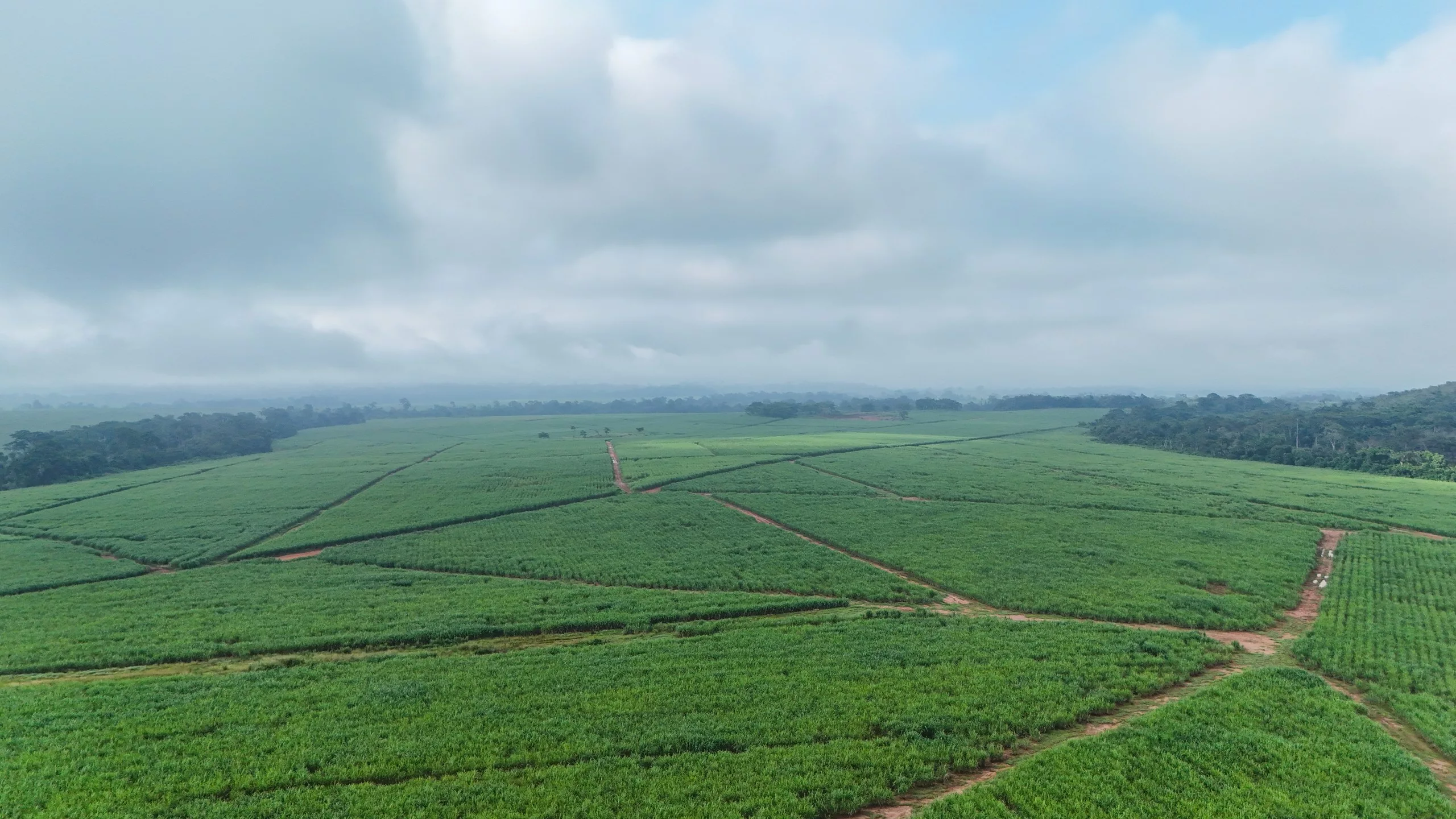
Building a 300,000-ton mill is only half the battle; feeding it is the other half. Sosucam has spent decades developing plantations across the Upper Sanaga region, and any newcomer must secure comparable cane supply.
Cane is a crop on a clock. Land preparation to first industrial harvest typically takes more than a year per cycle, which makes a 2028 start an aggressive schedule by any regional standard.
The deadline leaves little margin for the delays that dog large agro-industrial projects. Issa has put his numbers on the record, and the market will measure him against them.
A wider African pattern
The project fits a continental shift. Homegrown industrialists are using local and international banks to challenge long-dominant foreign incumbents in cement, fuel and food.
Nigeria’s Aliko Dangote wrote the template in cement and refining. A generation of national champions is now applying it sector by sector.
The financing tells its own story. A French bank is funding a Cameroonian challenger against a French-family incumbent — evidence that lenders now back whoever can build, not whoever arrived first.
If the mill comes online as planned, Cameroon could move from chronic importer toward self-sufficiency, with a locally owned producer at the centre. Sugar is a strategic staple, and in Yaoundé as in Brasília, the politics of its price are never far away.
Much now rests on execution. Civil engineering, cane supply and construction timelines will decide whether the 300,000-ton promise is met, and Cameroon’s consumers — and the Castel family’s bankers — will be counting.
Frequently Asked Questions
Who is building Cameroon’s new sugar mill?
Nassourou Issa’s Nasco Group is building the roughly $100 million plant, financed through a syndicated loan arranged by Société Générale’s Cameroonian unit and CCA-Bank. Civil engineering work is set to begin.
How big would the mill be compared with Sosucam?
Issa targets 300,000 tons of sugar a year by 2028, while the Castel family’s Sosucam produces between 120,000 and 160,000 tons annually. National demand is estimated near 300,000 tons.
Why does Cameroon import sugar?
Domestic production falls well short of demand, so the authorities regularly authorise imports to keep the market supplied. That structural deficit is the gap the new mill aims to close.
What could hold the project back?
Securing enough sugarcane is the biggest risk. Sosucam built its plantations in the Upper Sanaga region over decades, and a new mill needs comparable supply, while the 2028 deadline leaves little room for delays.
Connected Coverage
Cameroon’s industrial map is being redrawn on several fronts, from the $957 million Kribi refinery to the succession question hanging over it all, examined in our report on Paul Biya’s long absence, while Central Africa’s agribusiness frontier stretches to Congo-Brazzaville’s potash race.
This article was produced by The Rio Times’ automated newsroom system. How we use AI · Report an error · Editorial responsibility: Matthias Camenzind, Editor-in-Chief
LatAm Markets: Live Signals → — real-time movers, turnover leaders and FX across Latin America.