The CIA Director and the Archbishop: Moscow’s Back-Channels Are Open
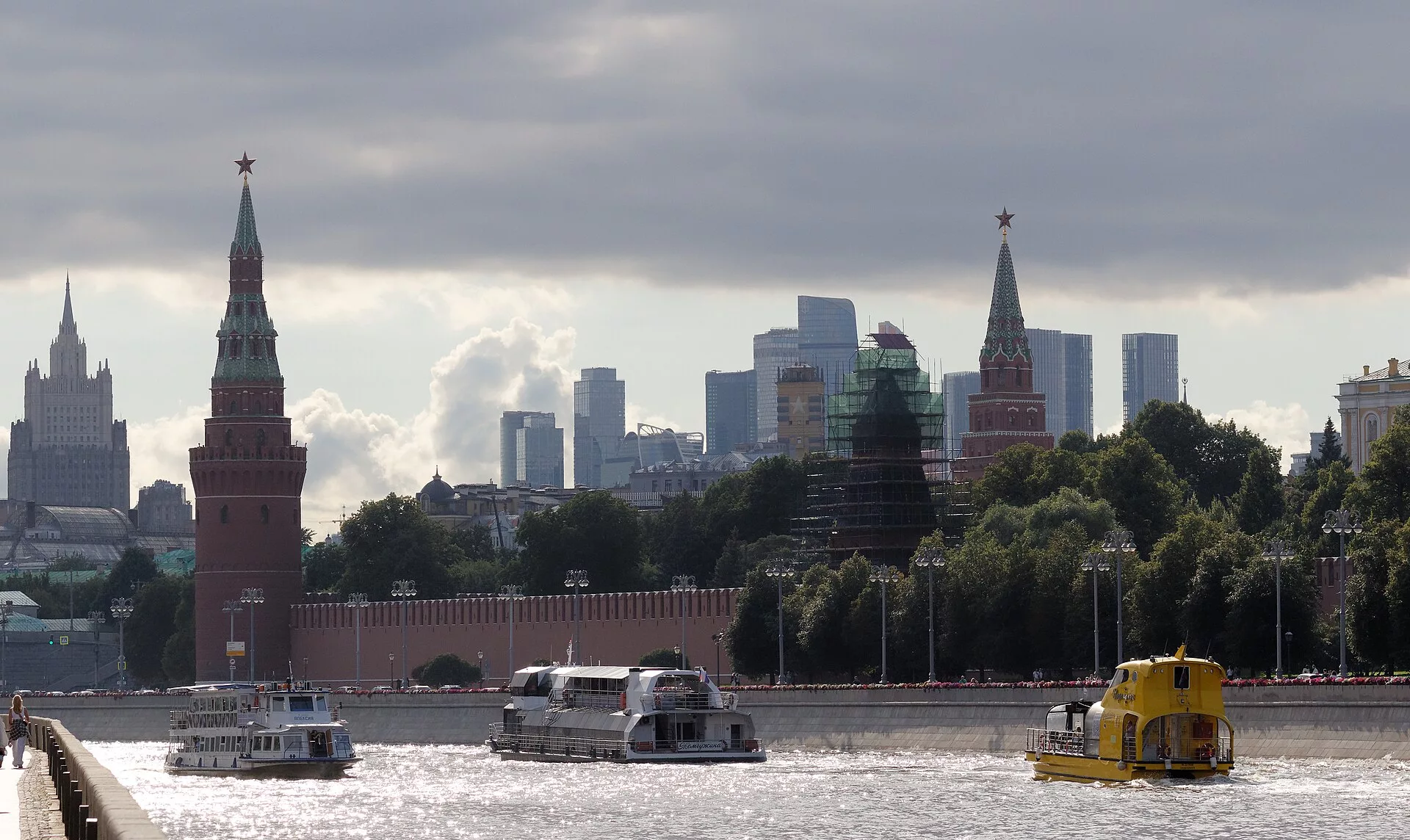
Diplomacy · Moscow
—The visit. CIA Director John Ratcliffe travelled secretly to Moscow on 25 August for meetings with senior Russian intelligence and security officials — but not with Vladimir Putin.
—The message. Ratcliffe urged three things: do not attack NATO countries, end the war in Ukraine, and stop aiding Iran — and reaffirmed America’s commitment to Article 5.
—The assessment. Per the New York Times, he also delivered a pessimistic American reading of the war’s course and pressed the Kremlin to take the deal on the table seriously.
—The cover. The Kremlin described the trip only as ‘contacts between security services’ — the classic formulation for business both sides want deniable.
—The parallel track. On the same day, Archbishop Paul Gallagher, the Vatican’s foreign minister in all but name, met Sergei Lavrov in Moscow — their first in-person encounter.
—The backdrop. A US intelligence assessment warns Putin could test NATO’s resolve with anything from a cyberattack to a small-scale land grab in the Baltics.
When the CIA director and the Vatican’s top diplomat fly to Moscow on the same day, the message is not in what either says. It is that both went.
The flight nobody announced
John Ratcliffe’s trip to Moscow on 25 August was not trailed, not tweeted and not confirmed until sources briefed reporters days later. The Kremlin’s description — ‘contacts between security services’ — is a phrase engineered to say everything and nothing.
His interlocutors were senior Russian intelligence and security officials; a US official confirmed he did not see President Putin. The pairing bypasses the diplomatic corps entirely.
Intelligence chiefs carry a different weight than ambassadors. They speak for capability as much as for policy, and their visits signal that the sender wants the receiver to hear an unvarnished assessment, not a negotiating position.
According to two sources who spoke to MS NOW, Ratcliffe urged his hosts to do three things: not to attack NATO countries, to end the war in Ukraine, and to stop aiding Iran. He told them the United States remains committed to Article 5 — an attack on one ally is an attack on all.
The Iran file gave the trip its second engine. America’s war with Iran is approaching its seventh month, and NBC News has reported that Russia is shipping drone components, ammunition and TNT to Tehran through the Caspian Sea.
What the message was
According to the New York Times, Ratcliffe conveyed a pessimistic assessment of where the war is heading and pressed the Kremlin to give the agreement on the table serious consideration. The implication runs both ways: the offer has a shelf life, and the battlefield will not improve Moscow’s terms by waiting.
This is the intelligence channel doing what it exists to do. Formal talks produce documents and deadlocks; a CIA director in a Moscow room produces only understanding — which is sometimes the more valuable product.
The warning about NATO had a specific pedigree. The Wall Street Journal reported this month that a US intelligence assessment sees Putin potentially testing the alliance’s resolve — anything from a cyberattack to a small-scale land incursion into a Baltic state.
European governments have logged the same uptick in aggressive Russian acts along the eastern border. Ratcliffe’s Article 5 restatement, delivered in person in Moscow, was the answer before the question.
A pessimistic brief from the agency that has spent the year correcting the Kremlin’s more optimistic claims lands differently than a speech. It says: we know your numbers, and we are telling you ours.
The Vatican’s parallel track
Archbishop Paul Gallagher’s meeting with Sergei Lavrov, also on 25 August, was the first in-person encounter between the two diplomats. The Holy See called for peace in Ukraine — its permanent headline — but the substance runs through corridors only the Vatican keeps.
The Holy See’s channels concern the human residue of war: prisoners, deported children, clergy and civilians in occupied territory. Rome does not negotiate borders; it negotiates lives, and it can talk to everyone without choosing anyone.
That the meeting happened at all is the news. Vatican-Moscow contact has been thin through the war, and an in-person Gallagher-Lavrov session restores a line that both sides had let go cold.
Two channels, one day, one capital. Whether coordinated or coincidental, the simultaneity tells Moscow that the West’s pressure and the West’s exit ramp arrive together.
Why back-channels matter now
Front-channel diplomacy on Ukraine has been stalled for months, with formal meetings producing communiqués and little else. Back-channels thrive in exactly this weather: they test what cannot be proposed in public.
For Washington, the intelligence track protects the political one. If a deal becomes possible, the groundwork will have been laid by people whose meetings do not require press releases.
For Moscow, receiving the CIA director flatters the hierarchy it craves. The Kremlin prefers to deal with power directly, and a visit from America’s spy chief confirms that preference.
The risk ledger runs both ways. A channel that carries warnings can also be read as weakness by hardliners on either side, and every leak about the meeting — including this one — tests whether the channel survives publicity.
There is precedent for the format. Through the Cold War and after, intelligence directors and back-channel emissaries carried the messages that foreign ministries could not; the names change, the function does not.
None of this means peace is near. It means the architecture for a negotiated end is being assembled quietly, in rooms that will never be described, while the war that fills the front pages continues.
The channel also protects against accident. When armies, drones and missiles crowd the same theatre, a live line between spy chiefs is a safety valve as much as a diplomatic tool.
What to watch next is simple: whether the same officials meet again, and whether the war’s tempo changes in the weeks after. Back-channels that work produce second meetings; back-channels that fail produce communiqués about misunderstandings.
Frequently Asked Questions
Why did the CIA director go to Moscow?
John Ratcliffe met senior Russian security officials on 25 August 2026 — not Vladimir Putin. Sources say he urged Moscow not to attack NATO, to end the Ukraine war and to stop aiding Iran, while reaffirming the US commitment to Article 5.
What did the Kremlin say about the visit?
Only that the trip involved ‘contacts between security services’. The deliberately bland formulation is standard for sensitive intelligence-channel meetings that both sides prefer to keep deniable.
What is the Vatican’s role in Ukraine diplomacy?
The Holy See maintains contact with all sides and focuses on humanitarian files — prisoners, deported children, civilians in occupied areas. Archbishop Paul Gallagher’s 25 August meeting with Sergei Lavrov was their first in person and restored a channel that had gone quiet.
Does the Ratcliffe visit mean peace talks are close?
Not necessarily: back-channels prepare ground and test positions without committing governments. Their revival signals that both capitals want the option of a negotiated end kept alive — which is different from saying an agreement is near.
Connected Coverage
Europe Intelligence Brief — Thursday, August 27, 2026
This article was produced by The Rio Times’ automated newsroom system. How we use AI · Report an error · Editorial responsibility: Matthias Camenzind, Editor-in-Chief