Chokepoints and Checkpoints: America’s New War on Iranian Oil Exports
The Trump administration has developed a new strategy to cripple Iran’s oil industry by stopping and inspecting tankers at sea.
This plan aims to utilize an international agreement designed to prevent weapons of mass destruction proliferation. Officials want allied nations to inspect Iranian vessels at strategic maritime chokepoints including the Malacca Strait.
Treasury Secretary Scott Bessent declared Thursday that the U.S. intends to “bring down Iran’s already struggling economy” by dismantling its oil sector. The administration seeks to reduce Iranian oil exports from 1.5 million barrels daily to virtually zero.
This strategy represents a significant escalation of Trump’s renewed “maximum pressure” campaign against Iran. Trump imposed two waves of fresh sanctions in the first weeks of his second term.
These penalties target both companies and the “shadow fleet” of aging tankers that transport crude without Western insurance. The sanctions already show measurable impact on global oil markets.
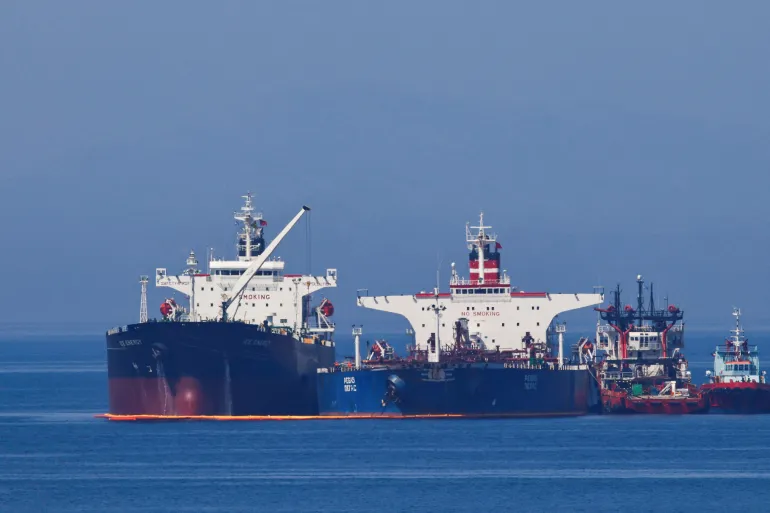
Chinese crude imports fell 5% during January and February 2025 compared to last year. The General Administration of Customs reported imports of 83.85 million metric tons, approximately 10.3 million barrels daily.
Shandong Port Ban and Iran’s Response to Sanctions
An unexpected ban by Shandong Port Group further disrupted deliveries by barring sanctioned tankers from its ports. Iran previously retaliated against similar efforts by seizing commercial vessels.
When the U.S. confiscated Iranian oil shipments in 2023, Iran captured a Chevron tanker in the Strait of Hormuz. This action caused crude prices to spike sharply.
The vessel inspection plan would delay crude deliveries and expose involved parties to reputational damage. “You don’t have to sink ships or arrest people to have that chilling effect,” one unnamed source explained.
Trump officials believe uncertainty alone will disrupt Iran’s smuggling networks. Despite mounting pressure, Iran recently raised its light crude prices for Asian customers in March 2025.
The National Iranian Oil Company set prices approximately $4.5 above the Oman/Dubai crude benchmark, marking the second consecutive monthly increase.
Key Facts
— Deep Dive
— For the complete picture, read our in-depth guide: Iran War and Hormuz Crisis 2026: Oil, Latin America and the Global Fallout
This article was produced by The Rio Times’ automated newsroom system. How we use AI · Report an error
Read More from The Rio Times