Chile Wants Its Own Instant Payments — but Not a Central-Bank Pix
Key Facts
- Project name The private-bank-led instant payment rail is internally called ‘Tiro’.
- Public milestone On Aug 5, 2026, the Banco Central de Chile said it would open a public consultation on rules for an instant payment system (SPI), expected in the third quarter.
- Governance model Unlike Brazil’s Pix, Chile’s central bank will not build the rail itself; banks lead with BancoEstado participating.
- Third attempt Tiro follows earlier failed efforts, Paga2 and RedPay.
- Core features The design includes alias-based transfers, QR codes, and use of the existing TEF network.
- Timeline No launch is expected in the next few months; implementation timing remains uncertain.
Chile’s banks are building their own instant payment rail, but the central bank is setting the rules — and the project is still far from launch.
For anyone tracking Latin America’s payments landscape, the question is no longer whether Chile will get instant payments, but who will control the rails — and when they will actually arrive. The answer, based on the latest regulatory and industry signals, is that instant payments in Chile are coming, but not soon, and not in the way Brazil did it.
What ‘Tiro’ Actually Is
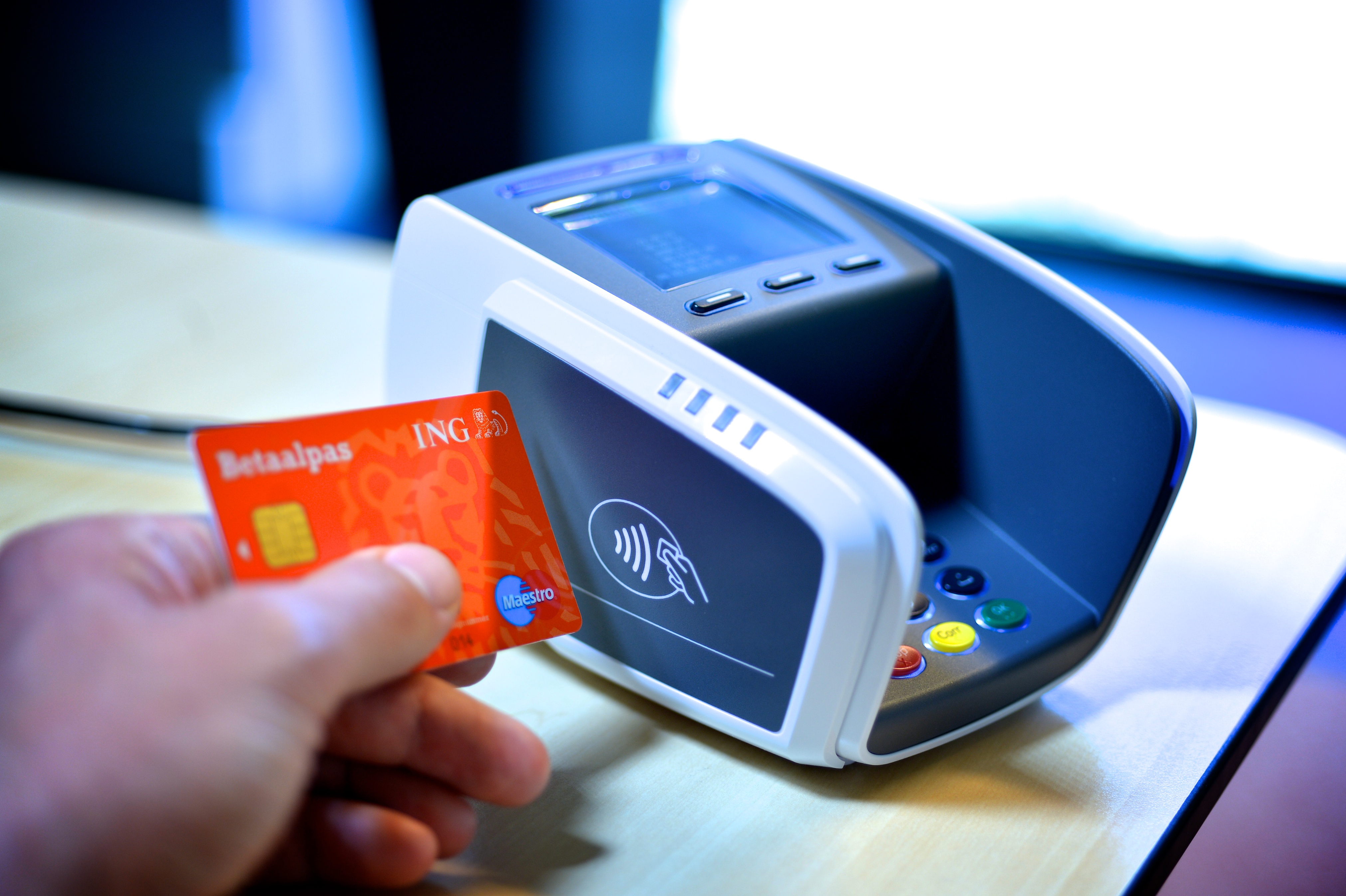
The project internally named ‘Tiro’ is a proposed real-time payment system for account-to-account transfers between people and merchants. It is being led by private banks, with state-owned BancoEstado also at the table. The design under discussion includes alias-based payments, QR codes, and other identifiers, aiming to make transfers as simple as selecting a contact or scanning a code.
Rather than building new infrastructure from scratch, the banks plan to leverage Chile’s existing TEF transfer network as the technical base. That means the system could be layered onto current rails, potentially reducing costs and deployment time. But this is the third attempt at such a system in Chile: earlier projects, Paga2 and RedPay, failed to gain traction. Tiro is being treated with caution by industry observers, precisely because of that history.
The Pix Comparison & the Governance Debate
The most obvious reference point is Brazil’s Pix, which was built and operated by the central bank and became a mass-market phenomenon. Chile’s approach is fundamentally different: the Banco Central de Chile has explicitly ruled out building the rail itself, leaving the challenge to private actors. That means the system is similar in function to Pix — fast, interoperable, account-to-account — but very different in governance.
The main debate revolves around interoperability, access rules, and who gets to participate. Banks appear willing to lead the first phase, but there is pressure to ensure the final model includes fintechs, non-bank issuers, and digital wallets. The central bank is creating the regulatory frame, while the private sector is arguing over how open the network should be. This is not simply a Chilean Pix clone: the central bank’s decision to stay out of the build has created a more complex negotiation among stakeholders.
Regulatory Timeline & What Happens Next
The most concrete official signal came on August 5, 2026, when the Banco Central, presenting its annual payment-systems report, announced it would put a regulatory proposal for an instant payment system out for public consultation. This consultation is the formal step toward setting the rules for the system, but it is far from the final stage. Industry reporting suggests the banking project is not close to launch, with no chance it appears in the next few months because banks still need to agree on technical details and must wait for the central bank’s regulatory process to conclude.
One local report has claimed the central bank is preparing a system to arrive before the end of 2026, but that article is less specific on official milestones and appears more assertive than other sources. Based on the stronger reporting, the safest reading is: consultation in August 2026, implementation still pending, and timing genuinely uncertain. The regulatory process will likely take months, and the private-sector negotiations over access and interoperability could stretch further.
Why Instant Payments in Chile Matter
For merchants and consumers in Chile, instant payments in Chile would mean faster settlement, lower reliance on cards, and potentially lower costs. But the governance model matters as much as the technology. If banks control the network, they may set fees and access conditions that favour incumbents. If fintechs and wallets are included from the start, the system could be more competitive and innovative.
The central bank’s decision to regulate rather than build is a deliberate choice, but it carries risk. Brazil’s Pix succeeded partly because the central bank could impose rules and push adoption. In Chile, the private sector must agree on the details, and that has proven difficult before. For now, the consultation is the only hard date on the calendar, and the industry is watching to see whether Tiro becomes a real system or another failed attempt.
More: Uruguay news in English, every day from The Rio Times.
Frequently Asked Questions
What is ‘Tiro’?
‘Tiro’ is the internal name for a private-bank-led project to build a real-time account-to-account payment system in Chile. It would use aliases and QR codes for transfers between people and merchants, and is designed to work on the existing TEF network.
How is this different from Brazil’s Pix?
Pix was built and operated by Brazil’s central bank. In Chile, the central bank has declined to build the rail itself, leaving the project to private banks and BancoEstado. The central bank is instead creating the regulatory framework for the system.
When will the system launch?
There is no confirmed launch date. The central bank announced on August 5, 2026 that it will open a public consultation, expected in the third quarter, but industry reports say the project is not expected to launch soon. Timing remains uncertain.
Connected Coverage
Sources: Chócale; Diario Financiero; BioBioChile; FinteChile; Banco Central de Chile.
This article was produced by The Rio Times’ automated newsroom system. How we use AI · Report an error
Read More from The Rio Times