Chile’s New Millionaires Are Ditching Their Banks
Finance
Key Facts
—The new money. About 2,600 Chileans crossed one million dollars in net worth in 2025, a rise of 3.9%, according to a Julius Baer study.
—The lead. That growth outpaced Mexico at 2.7% and Brazil at 2.4% over the same period.
—The shift. Open-platform advisors, chiefly multifamily offices, grew about 12% worldwide in 2025 as clients left product-selling banks.
—The scale. Globally these offices oversaw more than $5.2 trillion in 2025, about 8% of the assets held by pension funds.
—The hook. A multifamily office charges only the client, not the product makers, removing the conflict of interest built into bank advice.
Chile is making new millionaires faster than its bigger neighbours, and Chile family offices have opened a quiet battle with the banks over who gets to manage their money.
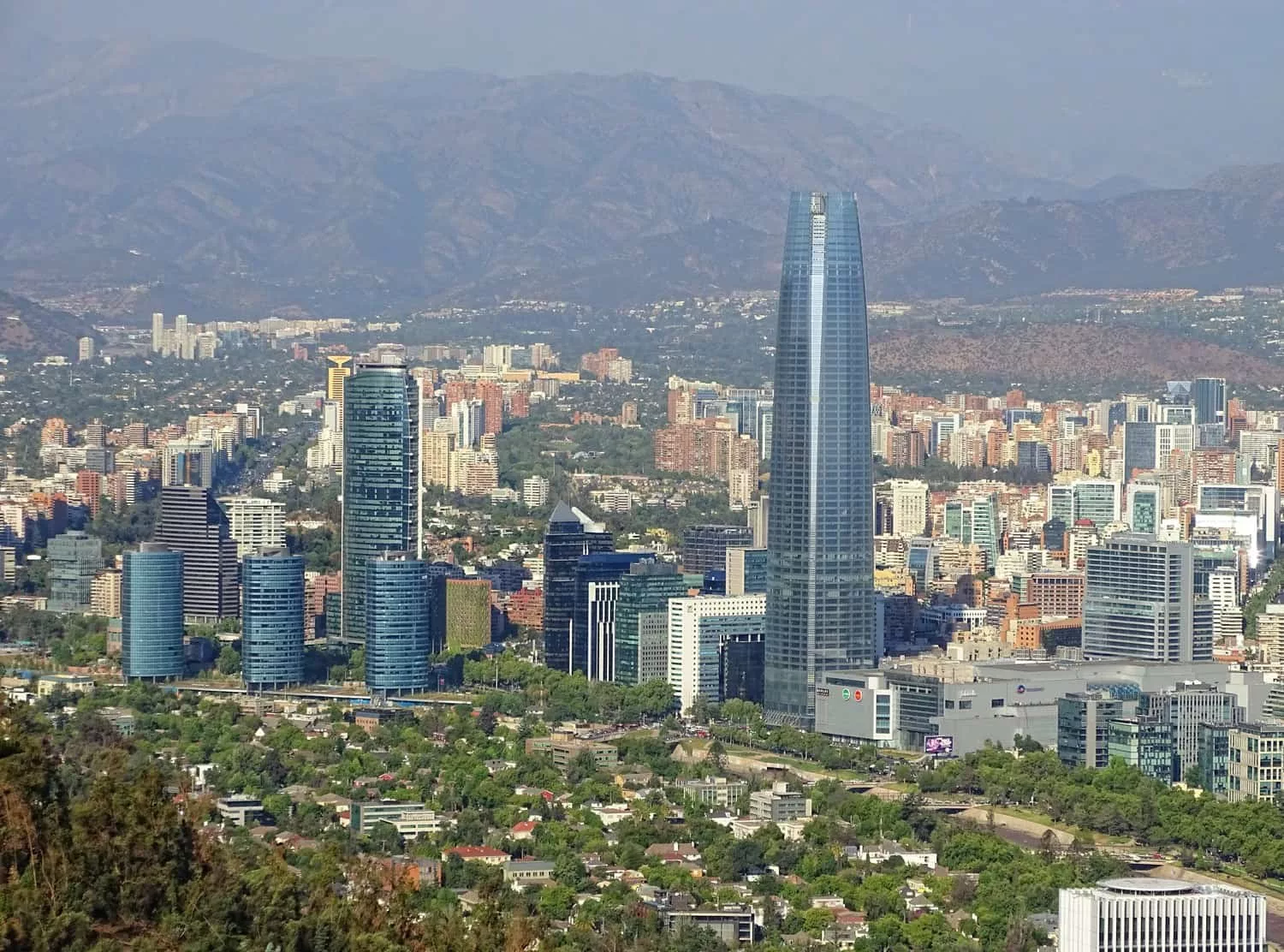
A study by the Swiss bank Julius Baer found that roughly 2,600 Chileans passed the one-million-dollar mark in net worth last year. That was a rise of almost four percent.
The figure counts financial and real assets, including pension savings, minus debts. What makes it notable is the pace, which beat both Mexico and Brazil over the same period.
Chile’s economy is smaller than either of those neighbours. So the faster rate of millionaire creation suggests something distinctive is happening in how wealth is built or measured.
The comparison matters because all three countries compete for the same pool of international wealth managers and investment products.
Why Chile family offices are gaining ground
For decades, wealthy Chilean families kept their money with private banks. Those banks managed the portfolios and, crucially, sold the families their own investment products.
That model is now being challenged by the multifamily office, a firm that pools several families’ fortunes and manages them together. Its selling point is a single word: independence.
A multifamily office charges a fee only to its client. It does not earn commissions from the fund managers whose products it recommends, which removes the conflict of interest that sits inside bank advice.
One executive put the pitch plainly. These firms do not charge both sides, he said, so there is no conflict with the institutions that provide the products.
The talent is following the money. A growing number of former private-banking executives have left the banks for these independent firms, drawn by the freedom to advise without a product to sell.
That migration of experienced advisors signals a structural shift in how the wealth-management industry is organized. When senior bankers move, their client relationships often follow, speeding up the trend they are joining.
What exactly are Chile family offices?
A single-family office manages the wealth of one rich family and nothing else, which only makes sense above roughly one hundred million dollars in assets. Below that, the costs are hard to justify.
A multifamily office solves that by serving many families at once. Each gets something close to the sophistication of a private office, sharing the fixed costs of staff, custody and research.
The service goes beyond picking investments. These offices coordinate succession planning, company structures and tax across a family’s whole balance sheet, which is precisely what clients say they now want.
That breadth is the deeper reason clients are moving. A family passing wealth to a large next generation needs coordination across inheritance, corporate holdings and tax, not just a well-chosen bond portfolio.
Chilean regulation has helped the model along. Rules governing independent investment advice have been taking shape since 2022, and a local trade association now groups more than a hundred registered firms and individuals.
The rules matter because they define who can call themselves independent and what they must disclose. Clear rules give clients confidence that the advice is genuinely free of hidden incentives, the entire promise of the model.
A global shift arriving in Santiago
The trend is not uniquely Chilean, but Chile is a striking case. Open-platform advisors grew about twelve percent worldwide last year, and globally these offices now oversee more than five trillion dollars.
That sum is equal to roughly eight percent of everything the world’s pension funds manage, from a model that barely registered a generation ago.
Chile has taken to it more readily than most of the region. Analysts rank the country’s family-office scene as the most developed in Spanish-speaking Latin America, behind only Brazil’s larger and older operations.
The competition is concentrated where it hurts the banks most. Industry figures say the fight is fiercest for exactly the clients private banking used to treat as its own.
The banks are not standing still. Their executives argue they have safeguarded family wealth across generations and still command the largest relationships, even as the direction of travel runs against them.
What remains to be seen is whether the banks can adapt their fees and products quickly enough to stem the outflow. The question is whether they can credibly claim independence when their business has long depended on product sales.
More: Chile news in English, every day from The Rio Times.
The big picture: Chile explained — economy, politics, society and daily life in one read.
Frequently Asked Questions
How many new millionaires did Chile add in 2025?
About 2,600 Chileans crossed one million dollars in net worth in 2025, a rise of 3.9%, according to a Julius Baer study. That growth outpaced Mexico at 2.7% and Brazil at 2.4% over the same period.
What is a multifamily office?
A multifamily office is a firm that pools several families’ fortunes and manages them together. Each family gets something close to the sophistication of a private office, sharing the fixed costs of staff, custody and research.
Why are clients leaving the banks?
A multifamily office charges a fee only to its client and does not earn commissions from fund managers, which removes the conflict of interest built into bank advice. It also coordinates succession, company structures and tax across a family’s whole balance sheet.
How big is this model worldwide?
Open-platform advisors grew about twelve percent worldwide last year, and globally these offices now oversee more than five trillion dollars. That is equal to roughly eight percent of everything the world’s pension funds manage.
Why should a foreign investor care?
Because where a country’s wealth is managed shapes where it flows. Independent advisors tend to spread money across borders and asset classes rather than into a single bank’s product shelf.
For anyone selling funds, custody or advisory services into Latin America, Chile’s shift signals a widening market that is no longer captive to the incumbents. The clients are choosing, and increasingly they are choosing independence.
Connected Coverage
Brazil Minted 9,000 New Millionaires, and the Gap Only Grew
Switzerland Falls, Hong Kong Rises: The Wealth Crown Changes Hands
Chile’s $260bn Pension Rewrite Turns on a Number the Law Omits
This article was produced by The Rio Times’ automated newsroom system. How we use AI · Report an error · Editorial responsibility: Matthias Camenzind, Editor-in-Chief
In depth
LatAm Markets: Live Signals → — real-time movers, turnover leaders and FX across Latin America.