Caputo Demands Law to Punish Journalists Over ‘Unfounded’ Reports
Argentina · POLITICS
Key Facts
- —What happened Luis Caputo used X posts on 25 August 2026 to demand a law punishing journalists for unfounded reports, saying such writing should not be consequence-free.
- —The trigger A journalist’s post linked Caputo to businessman Julio Made and a ‘grupo Lenor’ allegedly favored by a fuel decree.
- —The quote Caputo wrote that, for certain journalists, lying ‘seems to be an acquired right’, and demanded legislation.
- —Who backed him President Milei reposted the message with the words ‘DESENMASCARANDO MENTIROSOS’, unmasking liars.
- —What comes next Press associations ADEPA and FOPEA have long repudiated such attacks but issued no statement specific to this episode.
A denial of ties to an alleged Lenor group escalates into a ministerial demand for legislation against the press.
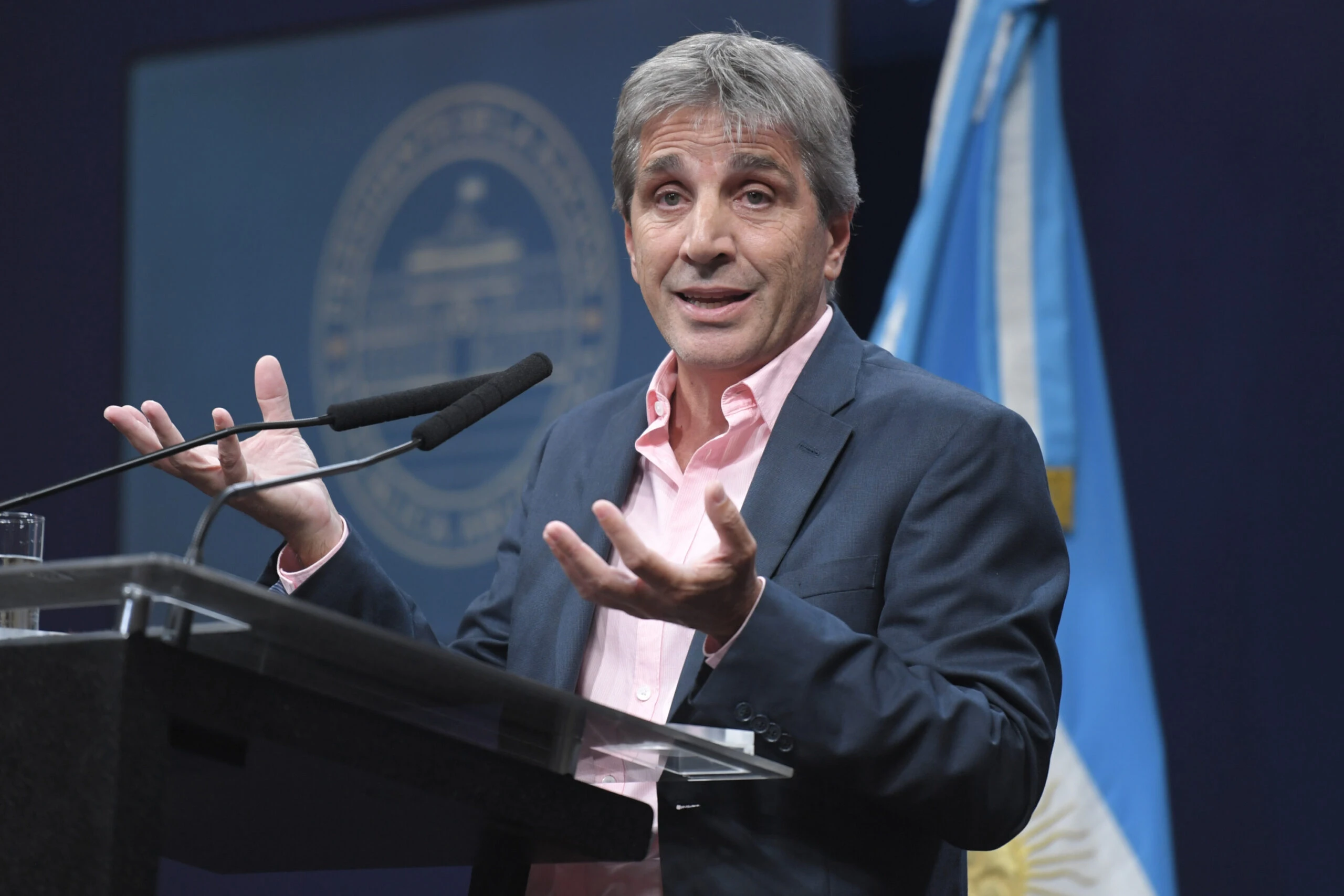
Argentina’s Economy Minister Luis Caputo on 25 August 2026 called for a law to punish journalists who publish what he considers unfounded information, after a social media post linked him to a businessman allegedly favored by one of his own decrees. The Caputo journalists law demand was quickly endorsed by President Javier Milei, sharpening the government’s confrontation with the press.
Caputo Journalists Law Demand Follows Lenor Group Post
The controversy began with a post by a journalist linking Caputo to businessman Julio Made and an alleged ‘grupo Lenor’. The post suggested the group had benefited from a decree signed by Caputo that deregulated controls at fuel pumps.
Caputo responded on X with a categorical denial: ‘Nunca en mi vida escuché ni siquiera hablar de un grupo Lenor, ni de un empresario Made’ — ‘Never in my life have I even heard of a Lenor group, or of a businessman Made.’
He went further, arguing that journalism had crossed a line: ‘Pero pareciera que, para ciertos periodistas, mentir es un derecho adquirido’ — ‘But it would seem that, for certain journalists, lying is an acquired right.’
The minister added that ‘the justice system should act’, and wrote: ‘Necesitamos una ley que castigue este tipo de conductas. No es razonable que alguien escriba cosas sin ningún tipo de sustento y no tenga consecuencias’ — ‘We need a law that punishes this type of conduct. It is not reasonable for someone to write things without any basis and face no consequences.’
A Morning of Attacks on the Press
The Caputo journalists law call came amid a broader morning of attacks on the press by President Milei, who had already gone on the offensive over coverage of debtors.
Caputo framed the issue in sweeping terms on X: ‘Recrudece el ataque DEL periodismo… se atribuye el derecho a mentir e injuriar’ — ‘The attack BY journalism intensifies… it claims for itself the right to lie and defame.’
Milei amplified his minister’s message, reposting it with the all-caps caption ‘DESENMASCARANDO MENTIROSOS’ — ‘unmasking liars’.
Deregulation Minister Federico Sturzenegger also weighed in, denying any knowledge of the alleged Lenor group.
The sequence unfolded within hours on the minister’s X account, turning a single denial into a legislative demand endorsed by the presidency.
Press Associations’ Record and the Missing Statements
Argentina’s main press associations, ADEPA and FOPEA, have a standing record of repudiating attacks on the press by the Milei government.
As of publication, however, neither organization had issued a statement specific to the Caputo journalists law episode. Any claim to the contrary could not be verified.
The absence of a dedicated response leaves the minister’s proposal — a law to punish journalists for reporting the executive deems unfounded — as the central unresolved question of the episode.
For now, the minister’s demand remains a call issued on social media, backed by the president, rather than a bill before Congress.
ADEPA represents media companies and FOPEA advocates for journalists; both have repeatedly repudiated attacks on the press by the Milei government. That record makes the absence of an episode-specific response notable.
The Decree at the Center of the Dispute
The post that provoked Caputo’s anger referred to a decree from his own ministry that deregulated controls at fuel pumps across Argentina.
According to the journalist’s claim, the measure benefited businessman Julio Made and the so-called Lenor group — a link the minister says is fabricated.
Caputo’s response was absolute: he had never heard of either the group or the businessman, and those who wrote otherwise were, in his words, treating lying as an ‘acquired right’.
Sturzenegger backed that denial, stating that he likewise did not know the alleged group.
No further detail about the alleged group or the businessman has been established beyond the post that provoked the minister’s response. The minister did not say which provision of the decree was at issue, focusing instead on the allegation itself.
A Press-Freedom Flashpoint for the Milei Government
The Caputo journalists law proposal moves the government’s repeated clashes with the media onto new ground: a demand for legislation to punish journalists.
Caputo insists the issue is falsehood, not criticism. Writing ‘without any basis’, he argues, should carry consequences.
For the press, the episode combines three volatile elements: an insinuation of favoritism, a minister’s flat denial, and a presidential endorsement delivered in capital letters.
Whether the demand becomes a bill, and how Argentina’s press institutions respond, will define the next chapter of this confrontation.
The government has not indicated who would draft such legislation or when it might reach Congress.
Frequently Asked Questions
What is the Caputo journalists law demand?
It is a call made on X on 25 August 2026 by Economy Minister Luis Caputo for a law to punish journalists who publish what he considers unfounded information. He argued it is ‘not reasonable’ to write without basis and face no consequences. President Milei endorsed the demand, deepening the confrontation with the press.
What triggered Caputo’s demand?
A journalist’s post linked him to businessman Julio Made and an alleged ‘grupo Lenor’, said to have benefited from a Caputo decree deregulating fuel-pump controls. Caputo said he had never heard of either the group or the businessman.
How did President Milei respond?
Milei backed his minister by reposting the message with the caption ‘DESENMASCARANDO MENTIROSOS’, meaning ‘unmasking liars’, after a morning of attacks on the press over debtors coverage. Deregulation Minister Federico Sturzenegger also denied knowing the alleged group.
Connected Coverage
Argentina FX Feud: Cavallo, Milei and Caputo Trade Public Insults
Sources
This article was produced by The Rio Times’ automated newsroom system. How we use AI · Report an error · Editorial responsibility: Matthias Camenzind, Editor-in-Chief