S&P Affirms Cape Verde Sovereign Rating as Tariff Relief Extended
Cape Verde · ECONOMY
Key Facts
—Rating affirmed: S&P Global Ratings confirmed the Cape Verde sovereign rating at B+/B with a positive outlook on 7 August 2026, after upgrading it from B on 6 February 2026.
—Reserve buffer: The February upgrade cited foreign currency reserves above €1 billion, alongside fiscal consolidation and strong tourism and remittance inflows.
—Tariff relief: Regulator ARME kept a 70% discount on the August tariff increase for EDEC and AEB customers, and a 100% discount for social tariff beneficiaries until 31 December 2026.
—July support cost: The government estimated 130 million escudos, roughly €1.18 million, in support for July to compensate utilities for the tariff freeze and discounts.
—Price trend: Earlier in 2026 the government announced electricity tariffs would fall about 7% as it expanded renewable power, before fuel-cost pressures forced the increase now being cushioned.
—Debt warning: The International Monetary Fund assessed Cape Verde’s debt as sustainable but vulnerable, with high risk of overall debt distress and moderate risk of external debt distress.
S&P Global Ratings affirmed the Cape Verde sovereign rating at B+/B with a positive outlook on 7 August 2026, while the government extended electricity tariff relief through December to shield households and firms from higher power costs.
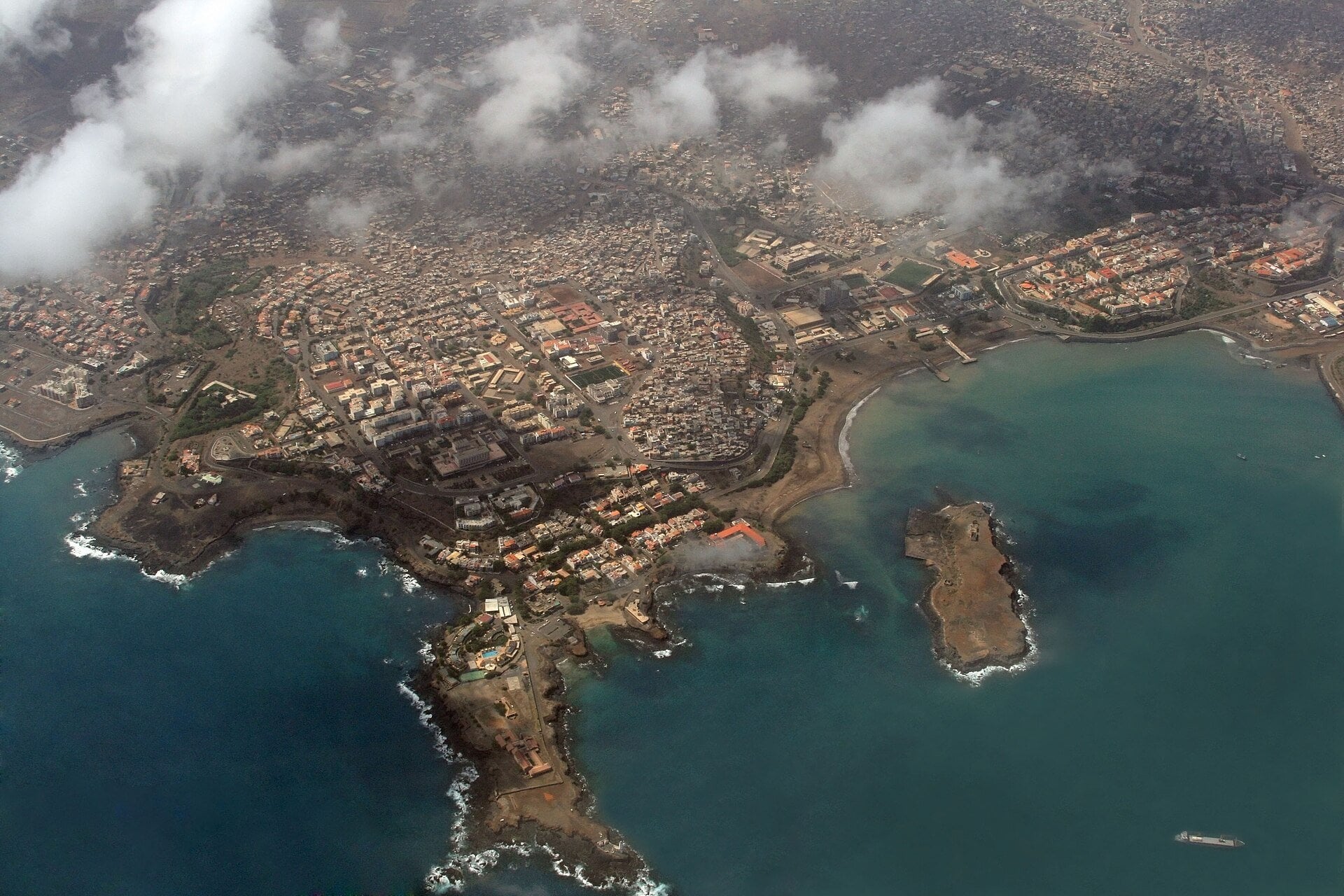
S&P keeps Cape Verde sovereign rating on an upward path
S&P Global Ratings confirmed the Cape Verde sovereign rating at B+/B on 7 August 2026, retaining the positive outlook it assigned in February. The agency had upgraded the archipelago from B to B+ on 6 February 2026, citing fiscal consolidation, strong tourism and remittance inflows, and foreign currency reserves above €1 billion.
The finance ministry said S&P also improved the country’s transfer and convertibility assessment from BB- to BB. That change signals greater confidence that investors and businesses can move money in and out of the economy without restriction.
The positive outlook reflects S&P’s expectation that continued gains in the debt burden and external position could support another upgrade. For a small, import-dependent economy, that momentum matters because it lowers borrowing costs and strengthens access to external financing.
Government extends electricity tariff relief through December
Cape Verde’s energy regulator ARME said on 4 August 2026 that it would keep the government’s tariff-mitigation measures in place through August. It also extended the social electricity tariff discount until 31 December 2026.
For customers of utilities EDEC and AEB outside the social tariff, ARME set a 70% discount on the tariff increase for August. Beneficiaries of the social electricity tariff kept a 100% discount on the increase, meaning no tariff rise for those households through year-end.
ARME said the measures implemented on 30 June were continued under government Resolutions No. 95/2026 and No. 98/2026. The state estimated 130 million escudos, roughly €1.18 million, in support for July to compensate utilities for the tariff freeze and discounts.
The fiscal trade-off behind the relief
Earlier in 2026, Cape Verde had announced that electricity tariffs would come down by about 7% as it expanded renewable power. Fuel-cost pressures have since driven the tariff increase that the government is now cushioning with discounts.
The International Monetary Fund’s 2026 assessment said Cape Verde’s debt remains sustainable but vulnerable. The country is still at high risk of overall debt distress and moderate risk of external debt distress, according to the fund.
The IMF also said authorities should set electricity tariffs at cost-recovery level. That recommendation underscores the tension between fiscal discipline and the social cushioning the government is providing.
Who gains and who pays
Households on the social tariff gain the most, with no increase in electricity costs through the end of 2026. Regular customers of EDEC and AEB also benefit from the 70% discount on the August increase, softening the immediate price shock.
Utilities absorb the shortfall, compensated by state support estimated at 130 million escudos for July alone. The government carries the fiscal cost, betting that temporary relief will prevent tariff shocks from becoming a broader political problem.
Creditors and investors watch the same numbers. S&P’s positive outlook depends on continued fiscal discipline, and any hard-wiring of subsidies into the budget could weaken the debt metrics that won the upgrade.
A small island economy in the Atlantic contest
Cape Verde’s rating upgrade matters because the archipelago relies heavily on tourism, remittances, and external financing. Investor confidence and reserve accumulation are especially important for an economy that imports most of what it consumes.
The electricity issue is politically sensitive because imported fuel costs feed directly into domestic prices. The state is using temporary relief to manage that pressure while trying not to lock subsidies into the budget permanently.
Cape Verde sits in the Atlantic between West Africa and the wider transatlantic space, and its relative stability makes it attractive to outside partners seeking influence through finance, infrastructure, tourism, and energy transition support. The contest over who underwrites resilience, markets, multilateral lenders, or the state, is a theme that runs through the wider scramble for African partnerships covered in Africa: The New Scramble.
What to watch next
The next test is whether the government lets the tariff relief expire at the end of December 2026 or extends it again. A further extension would signal that social protection is taking priority over the cost-recovery principle the IMF has recommended.
S&P’s positive outlook means another upgrade is possible if growth and fiscal discipline hold. But any sign that subsidies are becoming permanent could slow that momentum.
For investors and partners, the key indicator is whether Cape Verde can keep ratings momentum while absorbing electricity-price pain before it turns political. The balance between fiscal credibility and social protection will define the next phase of the country’s economic story.
Frequently Asked Questions
What is Cape Verde’s sovereign credit rating from S&P?
S&P Global Ratings affirmed Cape Verde at B+/B with a positive outlook on 7 August 2026, after upgrading it from B on 6 February 2026.
How long will the electricity tariff relief last in Cape Verde?
The social electricity tariff discount runs until 31 December 2026, while the 70% discount on the August increase for other EDEC and AEB customers applied through August 2026.
Why did S&P upgrade Cape Verde’s rating in February 2026?
The upgrade reflected fiscal consolidation, strong tourism and remittance inflows, and foreign currency reserves above €1 billion.
Connected Coverage
For more on how small states and outside powers are positioning across the continent, read Africa: The New Scramble.
Sources
This article was produced by The Rio Times’ automated newsroom system. How we use AI · Report an error
LatAm Markets: Live Signals → — real-time movers, turnover leaders and FX across Latin America.
Read More from The Rio Times
- MOGA Festival 2026 Last-Minute Guide: Essaouira, Morocco, Opens 30 September With Saturday Day Passes Sold Out
- ULTRA South Africa 2027: Cape Town on 30 April, Johannesburg on 1 May as First Tickets Sell Out
- Oskido Big Day Out 2026: Two Stages at Johannesburg’s Huddle Park, South Africa, on 28 November