Study Points out Need for R$40 Billion Investment in Rio
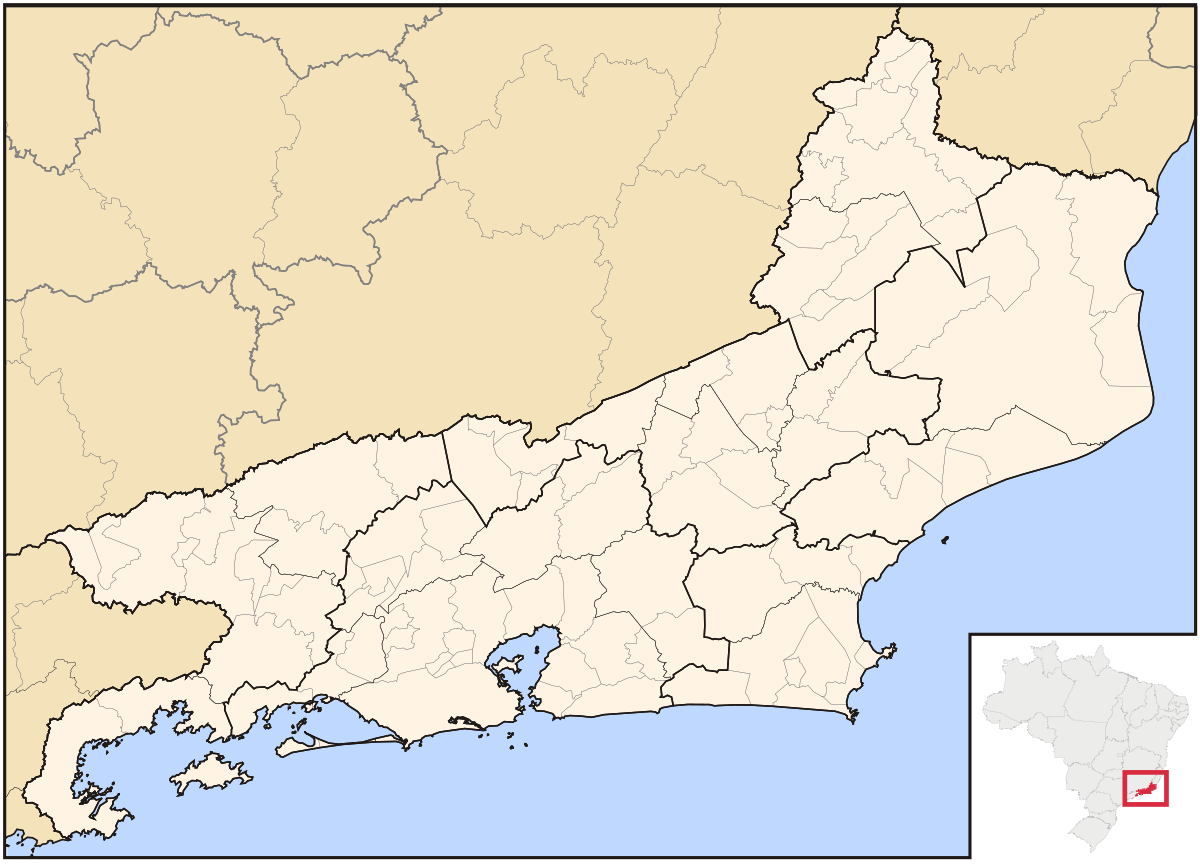
RIO DE JANEIRO, BRAZIL – Entrepreneurs from FIRJAN (Federation of Industries of the State of Rio de Janeiro) on Thursday afternoon, November 28th, handed President Jair Bolsonaro a study that underscores the need for R$40.4 billion (US$10 billion) investments in infrastructure for the state of Rio de Janeiro to resume a trajectory of social and economic development.

In the morning, the 36 businessmen from all over the state met with legislators, to whom they submitted a list of demands specific to their respective regions.
The document titled “Mais Rio, mais Brasil” (“More Rio, more Brazil”) – which outlines the sanitation, education, housing, urban mobility, and public safety areas as priorities for the state – was accepted by Bolsonaro and the special secretary of finance, Waldery Rodrigues Junior, at the Planalto Palace.
“Rio de Janeiro needs to improve its infrastructure to help make its business environment more attractive to investors. As a result, we will have more jobs and income for the people of Rio de Janeiro. The well-being of the population is also linked to the development of the state. The federal government needs to be involved in this process,” said Eduardo Eugenio Gouvêa Vieira, president of FIRJAN and member of the group that met with Bolsonaro.
The study contemplates a period from 2019 to 2026 for the following investments: universalization of basic sanitation throughout the Metropolitan Region (R$15.1 billion); extension of Subway Line 2 (Estácio-Praça XV), installation of Line 3 (Niterói-São Gonçalo), completion of the Gávea station and expansion of the Red Line and the Via Light (R$11.4 billion); opening of 213 thousand vacancies in daycare and pre-school (R$1.8 billion); building of 114,000 houses (R$10.9 billion); and opening of 14,000 vacancies in four new prison units (R$1.2 billion).
“It is essential for FIRJAN to promote meetings such as this, bringing the voice of the Rio de Janeiro business community to the Presidency of the Republic. The federation knows the reality of the state of Rio de Janeiro and the companies’ struggles,” said Luiz Césio Caetano, president of FIRJAN Leste Fluminense and of SINDISAL (Union of the Refining and Salt Milling Industry of the State of Rio de Janeiro).
Sérgio Yamagata, president of the Union and also a member of the group, added: “The federation has taken a very important step to bring the state’s demands closer to the political spheres. If nothing is done, we are aware of the negative consequences”.
FIRJAN points out that, as the state needs to comply with the measures of the Fiscal Recovery Regime, the forecast is that the total investments of the state government will reach R$18.5 billion in a projection until 2026, a figure well below what is required. Therefore, direct investment by the federal government in Rio is crucial. The study estimates that R$22 billion in federal funding is needed in the state.
“The meeting with President Bolsonaro was very important because he heard from businessmen the real needs of the productive sector to generate employment and income in the state of Rio de Janeiro,” said Abrahão Roberto Kauffmann, director of Sinduscon-Rio (Construction Companies’ Union).
Raul Sanson, director of SIMME (Employers’ unions in the mechanical and electrical equipment industries), reiterated: “The relationship between the business community and the legislature and the executive branch is fundamental.
“To govern is a great challenge,” said President Bolsonaro, who acknowledged that “there is aggressive legislation on producers”. He told businessmen that he will forward the FIRJAN study to his ministers.
The businessmen also met with Senator Arolde Oliveira and federal deputies of the Rio de Janeiro bench Christino Áureo, Gurgel and Vinicius Farah. Business leaders from all regions of the state of Rio de Janeiro submitted priority demands to legislators in order to speed up the development of their municipalities.
Arolde said he will be submitting the issues raised by entrepreneurs to the Ministries of Infrastructure and Mines and Energy. Gurgel voiced his support for the demands and stated that he was in favor of tax reductions. Farah, on the other hand, stressed the significance of FIRJAN in the new policy, with actions that will shorten the paths for development.
More: Brazil news in English, every day from The Rio Times.
This article was drafted with automated assistance and reviewed before publication. How we use AI · Report an error · Editorial responsibility: Matthias Camenzind, Editor-in-Chief
Living in or visiting Rio de Janeiro? See this month's events and our Rio de Janeiro city guide with rents, safety and upcoming concerts.