OECD Sees Brazil and Latin America Leading World Food Exports
Trade
Key Facts
—The report. A new OECD-FAO outlook covers world farming to 2035.
—The finding. Latin America is set to remain the world’s largest net food-exporting region.
—The growth. Global farm output is projected to rise 13 percent over ten years.
—The sugar. Brazil’s sugar exports are seen reaching 40 million tonnes by 2035.
—The risk. The Middle East war may curb fertiliser use and hit poorer countries’ harvests.
A major new forecast puts Brazil agriculture exports at the centre of the world’s food supply for the coming decade.
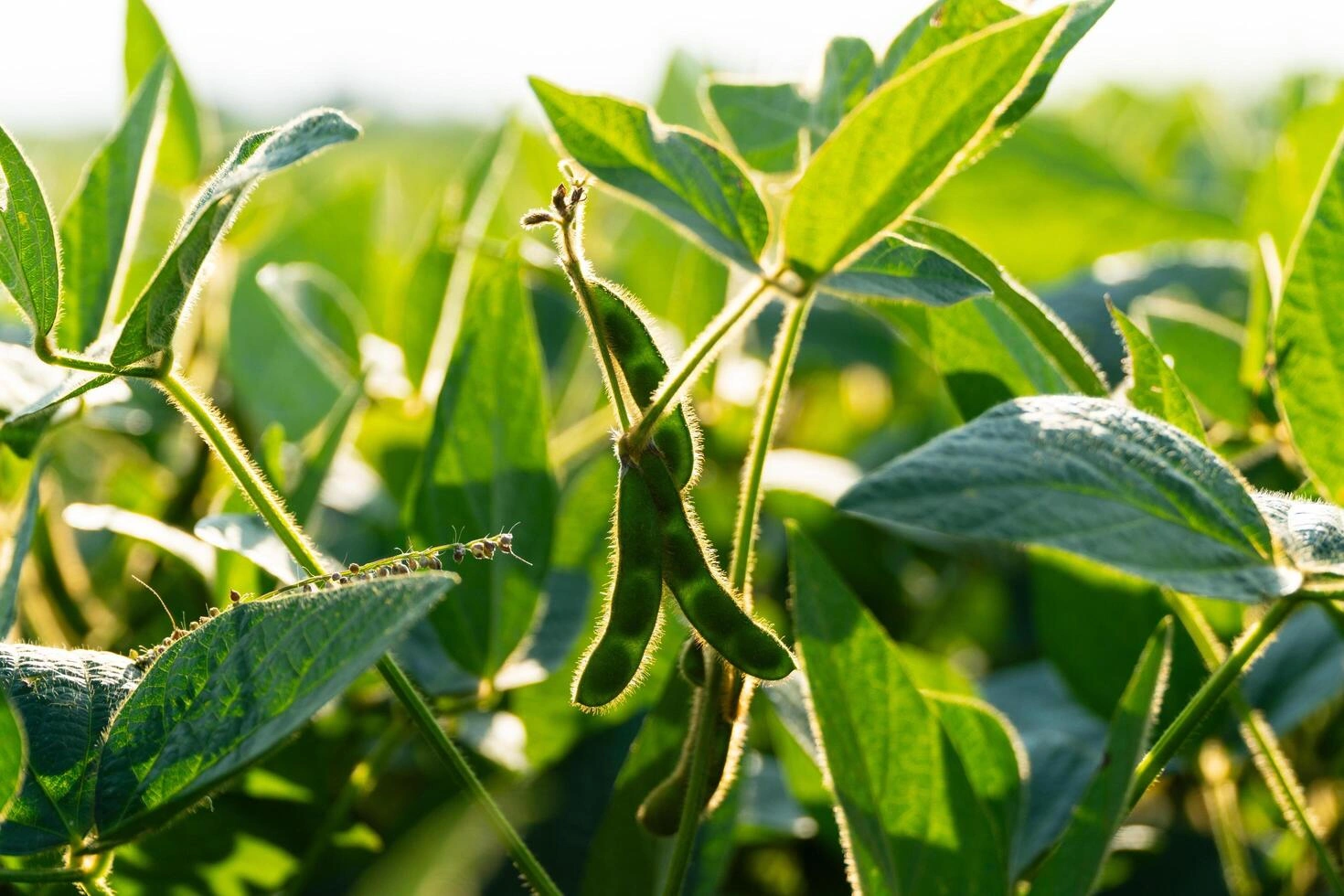
The report comes from the OECD and the FAO. Their joint annual outlook maps the likely path of world farming over the next ten years.
Its headline is clear. Latin America is expected to remain the world’s largest net exporter of food, with Brazil at the heart of that role.
For readers outside the region, the OECD is the Organisation for Economic Co-operation and Development, a club of mostly wealthy nations that produces influential economic research. The FAO is the Food and Agriculture Organization of the United Nations, the world’s leading authority on farming and food security.
When these two bodies speak jointly, governments, commodity traders and large investors tend to listen carefully.
The phrase “net food-exporting region” simply means Latin America sells more food to the rest of the world than it buys. That surplus position gives the region strategic weight in global food security, because import-dependent countries in other parts of the world count on those shipments to keep their populations fed.
What the outlook says about Brazil agriculture exports
The region is a supply engine. Much of the world’s extra food output over the next decade is expected to come from Latin America, Asia and sub-Saharan Africa.
Global output will keep rising. The report projects farm production to grow about 13 percent over ten years, driven mainly by better productivity, not more land.
Productivity gains mean farmers are expected to coax more tonnes from each hectare through improved seeds, better fertiliser management and more efficient farming techniques. That distinction matters because it suggests the world can grow more food without a proportional expansion of farmland, easing pressure on forests and native vegetation.
Sugar is a standout for Brazil. The country’s sugar exports are projected to climb toward 40 million tonnes by 2035, cementing its lead in the market.
Prices are seen staying soft. In real terms, global commodity prices are expected to hold at or below current levels, rewarding low-cost producers like Brazil.
“In real terms” is an important qualifier. It means the outlook adjusts for inflation, so the comparison strips out the general rise in prices across the economy.
A flat real price therefore means farm goods are not gaining purchasing power relative to other products, even if their nominal dollar price drifts higher.
Why Brazil agriculture exports matter
Brazil is already a food superpower. It leads the world in soybeans, beef, coffee and sugar, and is the swing supplier to the biggest importers.
Rising Asian demand favours it. Growing populations and incomes in Asia and Africa are set to lift food imports, and Latin America is well placed to fill them.
For a foreign investor, the read is structural. A decade of steady export demand underpins the case for Brazilian farmland, logistics and agribusiness.
There is a warning attached. The report flags that the Middle East war may curb fertiliser use and hit poorer countries’ harvests.
Fertiliser is a critical input for modern farming, and its price is closely tied to energy costs, particularly natural gas. A sustained conflict in the Middle East can disrupt energy markets, push up freight insurance and make fertiliser more expensive worldwide.
For low-income importing nations, that can mean farmers apply less, yields fall and food insecurity deepens.
The soft-price theme cuts both ways. Bigger volumes lift Brazil’s clout, but weaker prices mean each tonne earns less, squeezing farm margins.
The productivity story is central. The report credits better yields and intensification, not clearing new land, for most of the projected output growth.
That framing matters for Brazil. It lets the country argue it can grow exports while defending its record on Amazon and Cerrado land use.
Trade will do the balancing. The outlook stresses that open, working markets are needed to move surpluses from exporters to import-hungry regions.
The demand map is shifting. Sub-Saharan Africa, the Near East and parts of Asia are set to buy more, deepening their reliance on suppliers like Brazil.
Biofuels add another pull. The outlook expects sugarcane and vegetable-oil producers to keep expanding fuel output, a trend that plays directly to Brazil’s strengths.
Brazil’s long experience with sugarcane ethanol means it already has the mills, the distribution networks and the flex-fuel vehicle fleet to respond quickly if biofuel demand rises. That dual use of sugarcane, for both sugar and ethanol, gives Brazilian mills a flexibility that pure sugar producers in other countries lack.
The competitive picture is not static. Rivals such as Thailand are set to gain share in sugar, so Brazil’s lead, while large, is not guaranteed to widen everywhere.
Domestic policy will shape the outcome too. Whether Brazil can turn projected volumes into value depends on ports, railways and freight costs that still lag its farms.
For now, the direction of travel is clear. The next decade of world food trade is expected to run, more than ever, through South America’s farms.
Several open questions will determine whether the outlook’s projections hold. Will Brazil’s port and rail investments keep pace with export volumes, or will bottlenecks eat into farm profits?
Can the country maintain its productivity-led growth model without stoking new land-use controversies? And how will the trajectory of the Middle East conflict affect energy and fertiliser markets over the full ten-year horizon?
The answers will shape not just Brazil’s farm sector but the food bills of importing nations across Asia, Africa and the Middle EaSt
Background: our doing business in brazil a complete guide for foreign entrepreneurs guide.
Frequently Asked Questions
What does the OECD-FAO outlook project for Brazil agriculture exports?
It projects that Latin America, led by Brazil, will stay the world’s largest net food-exporting region over the next decade. Brazil’s sugar exports alone are seen reaching about 40 million tonnes by 2035, alongside its lead in soy, beef and coffee.
How fast is global food output growing?
The report projects world farm production to rise about 13 percent over the next ten years, driven mainly by productivity gains rather than new farmland. Growth is concentrated in Latin America, Asia and sub-Saharan Africa.
What are the main risks?
The outlook warns that the 2026 Middle East conflict could raise energy and fertiliser costs, constraining crop production, especially in low-income countries. Softer real prices also mean producers earn less per tonne even as volumes grow.
This article was produced by The Rio Times’ automated newsroom system. How we use AI · Report an error · Editorial responsibility: Matthias Camenzind, Editor-in-Chief
LatAm Markets: Live Signals → — real-time movers, turnover leaders and FX across Latin America.