Business
Key Facts
—The leader. Paraná recorded a 43.4% jump in non-alcoholic beer consumption from May 2025 to April 2026, nearly triple the national average.
—The volume. The state sold 8.91 million litres over the year, worth about R$110.7 million ($22 million).
—The share. Paraná’s slice of the national market rose from 13.5% to 16.8% in a single year.
—The price. A litre costs about R$12.43 ($2.50) there, nearly 10% below the national average, and local retail cut prices 8% in a year.
—The backdrop. Brazil is the world’s second-largest non-alcoholic beer market, behind only Germany.
Brazil’s taste for non-alcoholic beer is growing fast, and one southern state is leading the charge. Paraná has become the country’s hotspot for the drink, powered by cheaper prices and a shift toward healthier habits.
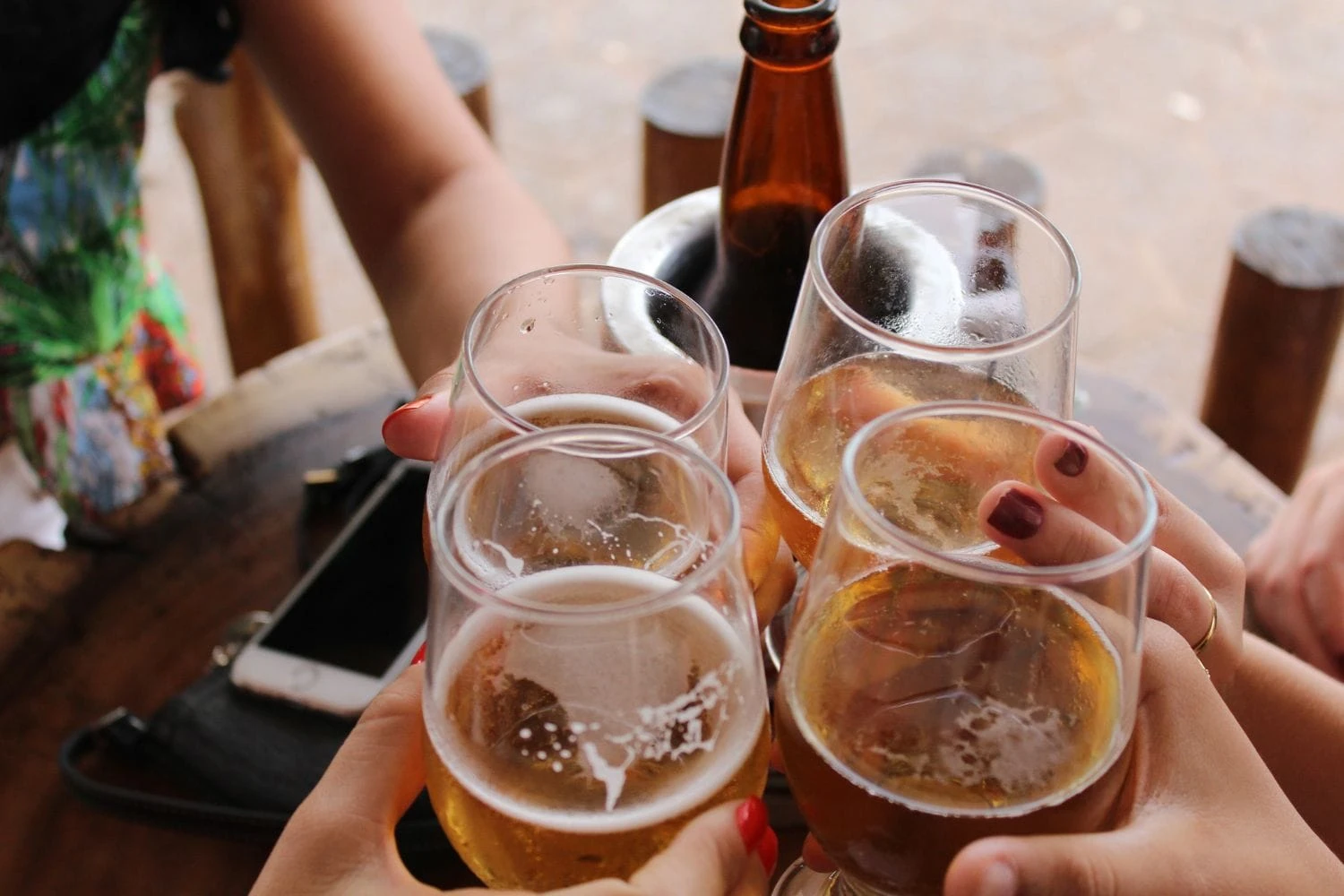
The figures come from Scanntech, a retail-sales analytics firm. They show consumption in Paraná rising far faster than anywhere else in the country over the year to April 2026.
How Paraná took the non-alcoholic beer lead
Volume in the state climbed 43.4% over the year, against a national average of 15.1%. In the most recent quarter, from February to April, growth accelerated to 81.1%, more than triple the pace in the rest of Brazil.
That surge lifted Paraná‘s share of the national market from 13.5% to 16.8% in twelve months. The state sold nearly nine million litres, worth about 110 million reais, or 22 million US dollars.
Price is the clearest driver. A litre in Paraná costs around 12.43 reais, about 2.50 US dollars, nearly a tenth below the national average.
Local retailers also cut shelf prices by 8% over the year, while the rest of the country managed barely more than one percent. That gap made the drink markedly more accessible in the state.
A full supply chain behind the boom
The price advantage is not an accident. Paraná has built the most complete beer supply chain in Brazil, from barley fields to bottle plants, after roughly five billion reais of investment since 2020.
Both Heineken and Ambev run major operations in the state, alongside new malt plants and a fresh glass-bottle factory. Producing more of the chain locally helps keep costs, and therefore prices, down.
Craft brewers are part of the story too. The Paraná label Way Beer uses specialist yeast to make a low-alcohol beer that keeps the aroma and body drinkers expect, rather than stripping the alcohol out afterwards.
The trend is strongest around the state capital. Curitiba and its metropolitan area lead the way, industry figures say, with the cities of Maringá and Londrina close behind and the interior catching up fast.
Retailers have noticed. Supermarket groups in the state say they are widening the shelf space given to zero-alcohol beers and non-alcoholic drinks, treating the category as a genuine growth line rather than a niche.
Why the trend matters
The shift reflects a wider change in how Brazilians drink. Younger consumers in particular are cutting back on alcohol, and Brazil is now the world’s second-largest market for non-alcoholic beer, behind only Germany.
For a foreign resident or visitor, the practical upshot is choice. In Paraná especially, the zero and low-alcohol shelf is wider and cheaper than almost anywhere else in the country.
How fast is non-alcoholic beer growing in Paraná?
Consumption rose 43.4% in the year to April 2026, nearly three times the national average of 15.1%. In the most recent quarter the state’s growth reached 81.1%, according to the retail analytics firm Scanntech.
Why is non-alcoholic beer cheaper in Paraná?
The state has built Brazil’s most complete beer supply chain, from barley and malt to bottles, after about five billion reais of investment since 2020. Producing more locally keeps costs down, and retailers there cut prices 8% in a year.
What counts as non-alcoholic beer in Brazil?
Under Brazilian rules, drinks with up to 0.5% alcohol may be labelled “without alcohol”, since that trace is a natural product of fermentation. Beers marked “0.0%” face a stricter limit of 0.05%, for those avoiding alcohol entirely.
More: Brazil news in English, every day from The Rio Times.
Frequently Asked Questions
How much did non-alcoholic beer consumption grow in Paraná compared to the rest of Brazil?
It grew 43.4% in Paraná over the year to April 2026, nearly triple the national average of 15.1%. In the most recent quarter, growth in the state accelerated to 81.1%.
Why is non-alcoholic beer more affordable in Paraná?
A litre costs about R$12.43, nearly 10% below the national average, helped by a complete local supply chain built with roughly R$5 billion in investment since 2020. Local retailers also cut prices by 8% over the year.
What is driving the trend toward non-alcoholic beer in Brazil?
Younger consumers are cutting back on alcohol, and Brazil is now the world's second-largest market for non-alcoholic beer, behind only Germany.
This article was produced by The Rio Times’ automated newsroom system. How we use AI · Report an error
Read More from The Rio Times