Burundi’s Ndayishimiye Says Violence Stalls Africa

Key Facts
- —What happened Burundi’s President Évariste Ndayishimiye told the Alamein Africa Forum in Egypt that persistent violence is stalling African development.
- —The numbers Coface forecasts Burundi’s 2026 gross domestic product growth at 3.5 percent with average inflation of 20 percent.
- —The catch Debt service and repayment are expected to absorb 21 percent of Burundi’s 2025–26 budget.
- —Who it hits Farmers, schoolchildren and institutions across Africa cannot plan amid violence, Ndayishimiye said, pointing to crises in the Democratic Republic of Congo and Sudan.
- —The power angle The planned Tanzania–Burundi railway is expected to be financed through African Development Bank fundraising from institutional investors, development-finance institutions and commercial banks.
- —What comes next The forum is to become a biennial African Union-mandated event focused on infrastructure, trade, agriculture, healthcare, mining, technology and renewable energy.
Persistent violence is stalling African development, Burundi’s President Évariste Ndayishimiye told the Alamein Africa Forum in Egypt, as conflict disrupts farming, education and long-term planning across the continent.
Burundi’s President Évariste Ndayishimiye has warned that persistent insecurity is undermining African development, disrupting everything from food production to schooling and institutional planning. Speaking at the Alamein Africa Forum in Egypt, he pointed to the humanitarian crises in the Democratic Republic of Congo and Sudan as stark examples of how violence derails economic progress.
Violence disrupts farming, education and planning
Ndayishimiye told the forum that no farmer goes to the fields and no child goes to school when violence takes hold. Institutions, he said, cannot plan development amid such instability.
The forum, attended by African political and business leaders, is set to become a biennial African Union-mandated event. Its agenda covers infrastructure, trade, agriculture, healthcare, mining, technology and renewable energy.
The economic stakes are clear. Conflict disrupts food production, human capital, cross-border trade and investment while diverting public money toward security and humanitarian relief.
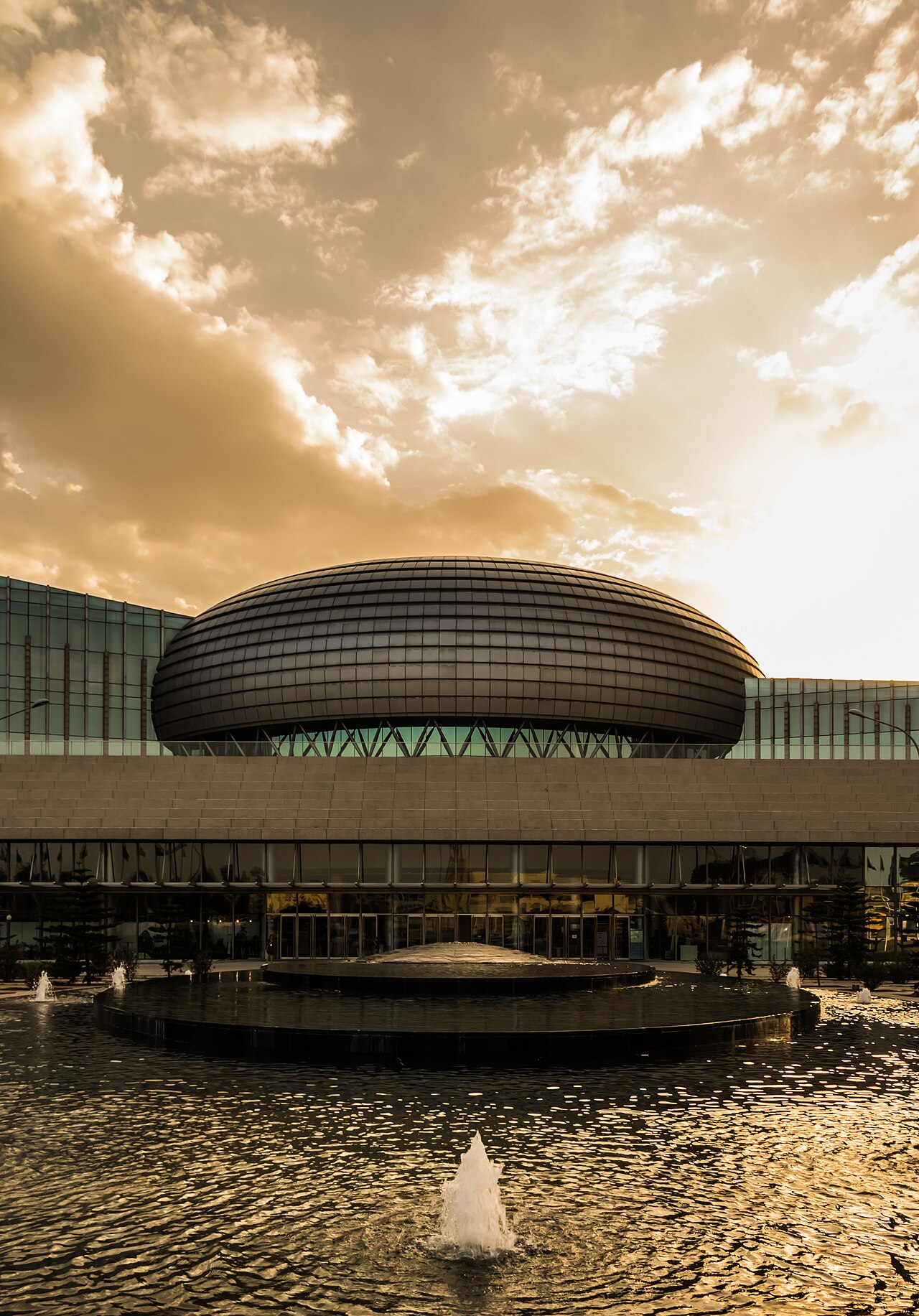
Burundi’s financial vulnerability in focus
Burundi itself illustrates the link between insecurity and financial strain. Coface forecasts 2026 gross domestic product growth of 3.5 percent, average inflation of 20 percent, a fiscal deficit of 6 percent of gross domestic product, a current-account deficit of 9 percent, and public debt of 66 percent of gross domestic product.
Debt service and repayment are expected to absorb 21 percent of the 2025–26 budget. Roughly two-thirds of public debt is domestically held, chiefly by the central bank.
External creditors include multilateral lenders, China, India, the United Arab Emirates and Kuwait. This mix shows how smaller African states balance domestic borrowing with international partnerships.
The great-power contest over infrastructure finance
The wider power contest is visible in infrastructure finance. The planned Tanzania–Burundi railway is expected to be financed through African Development Bank fundraising from institutional investors, development-finance institutions and commercial banks.
Burundi’s dependence on Tanzania for access to the sea gives Dar es Salaam strategic economic leverage. That dependency shapes how Burundi approaches regional diplomacy and trade routes.
For global investors watching Eastern Africa, the railway project signals where infrastructure capital may flow next. It also shows how development finance institutions are positioning themselves in the region’s transport corridors.
Regional tensions compound the problem
Burundi closed its border with Rwanda in 2024, accusing Kigali of supporting an anti-government rebel group. Burundi is also fighting alongside the Democratic Republic of Congo government against armed groups in eastern Congo.
These regional tensions add another layer of risk for cross-border trade and investment. They also complicate efforts to build the very infrastructure that could reduce economic isolation.
The Alamein Africa Forum’s focus on infrastructure and trade reflects a broader push to connect African markets. Yet security remains the precondition that no railway or road can bypass.
What to watch next in African development
The forum’s elevation to a biennial African Union-mandated event signals that leaders want a regular platform for economic coordination. Whether that translates into concrete financing commitments remains to be seen.
For Burundi, the immediate test is managing debt pressures while navigating regional security crises. The 2025–26 budget’s debt service burden of 21 percent leaves little room for development spending.
Investors and policymakers will watch whether the Tanzania–Burundi railway moves from planning to fundraising. That project could reshape Eastern Africa’s trade geography if security conditions allow.
The broader lesson from Ndayishimiye’s warning is that security and development cannot be separated. As the continent’s leaders gather to discuss infrastructure and trade, the conflicts in Congo and Sudan remain the clearest obstacles to progress.
For readers tracking the new scramble for African resources and influence, the forum offers a window into how African leaders themselves frame the challenge. The link between violence and stalled development is now part of the official agenda.
Explore the wider contest for African resources and influence in Africa: The New Scramble.
Related reading: Cameroon Neighbours Explained, Central Africa in 2026; Eritrea Explained 2026, a Red Sea Country Guide; DR Congo Neighbours Explained, Central Africa in 2026; more from Africa.
Frequently asked questions
What did Burundi’s President Ndayishimiye say about African development?
He told the Alamein Africa Forum in Egypt that persistent violence is stalling African development, disrupting farming, education and long-term planning.
What are Burundi’s key economic forecasts for 2026?
Coface forecasts 2026 gross domestic product growth of 3.5 percent, average inflation of 20 percent, a fiscal deficit of 6 percent of gross domestic product, a current-account deficit of 9 percent, and public debt of 66 percent of gross domestic product.
How is the Tanzania–Burundi railway expected to be financed?
The railway is expected to be financed through African Development Bank fundraising from institutional investors, development-finance institutions and commercial banks.
How much of Burundi’s 2025–26 budget will go to debt service and repayment?
Debt service and repayment are expected to absorb 21 percent of Burundi’s 2025–26 budget. This leaves little room for development spending, according to the article.
Connected Coverage
Sources
This article was produced by The Rio Times’ automated newsroom system. How we use AI · Report an error · Editorial responsibility: Matthias Camenzind, Editor-in-Chief