Brazil’s Favela Residents Optimistic About 2020, Survey Says
RIO DE JANEIRO, BRAZIL – Brazilians living in favelas are optimistic about this year’s arrival, according to the survey “Sonho da Favela 2000” (Dreams From the Favela 2000), presented yesterday, January 2nd, to Agência Brasil.
The survey showed that eight out of ten favela residents in the country (81 percent of the total interviewed) believe life will improve in 2020, with 36 percent believing the improvement will be significant. Of the total number of respondents, 74 percent said they were happy, grading their happiness level between eight and ten.

Optimism includes financial and family life for eight out of ten residents, while 76 percent believe in improvements in terms of professional life. According to them, expectations will not depend on government, but on their own effort: 64 percent of the total number of respondents say that life improvement depends on themselves, while only five percent attribute the change to the federal government.
Their greatest dream is to have a home of their own, an answer given by 21 percent, followed by health (20 percent). The chance to have their own business is entered by seven percent, to get a job (six percent) and to be successful professionally (six percent).
The greatest obstacle to accomplish these dreams lies in the financial issue: 67 percent of respondents point out the lack of money as the greatest hindrance to accomplishing their dreams. Nevertheless, 52 percent of respondents are certain that they will get what they want.
Professionally, the main dream disclosed by respondents was to have a business of their own (35 percent), followed by winning a public bid (12 percent), getting a job (ten percent) and having a profession (nine percent).
Community
In relation to the community, the main desire was to ensure safety (30 percent), followed by more infrastructure (17 percent), more access to health (12 percent), more respect for residents (12 percent) and leisure options (ten percent).
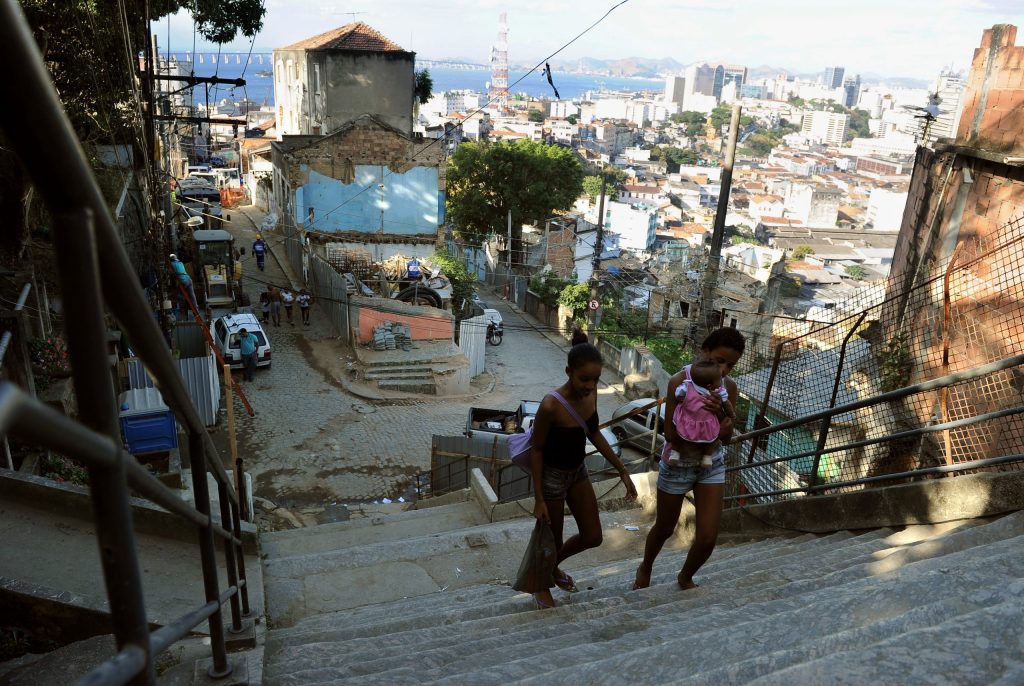
However, only 28 percent of respondents believe that it is actually possible for these dreams to come true.
The Dreams From the Favela 2000 and Brazilian Favelas surveys, developed by the Data Favela and Locomotiva institutes, were conducted between December 8th and 18th, with 2,006 people in 63 favelas in the five regions of the country.
According to the survey, Brazil has 13.6 million people living in favelas. Nine out of ten favela residents in Brazil (89 percent of the total) live in metropolitan regions.
If favelas formed a state, they would be the fifth state in Brazil in terms of population. The northern and northeastern regions of the country concentrate the highest percentage of people living in these conditions.
Half of these favela families (49 percent of the total) are headed by women. In 62 percent of households, the family comprises couples with children and in 21 percent of cases, it is comprised of single mothers.
Internet
The survey further showed that favela residents in Brazil are connected. The vast majority of youths (97 percent of the total) access the Internet regularly. Among adults, Internet use at least once a week reaches 86 percent.
According to the survey, 29 percent of favela residents are earning some sort of income through Apps.
Finance
Only two out of ten favela residents in the country have some kind of financial reserve as savings. In the upper classes, on the other hand, this reaches 62 percent of people.
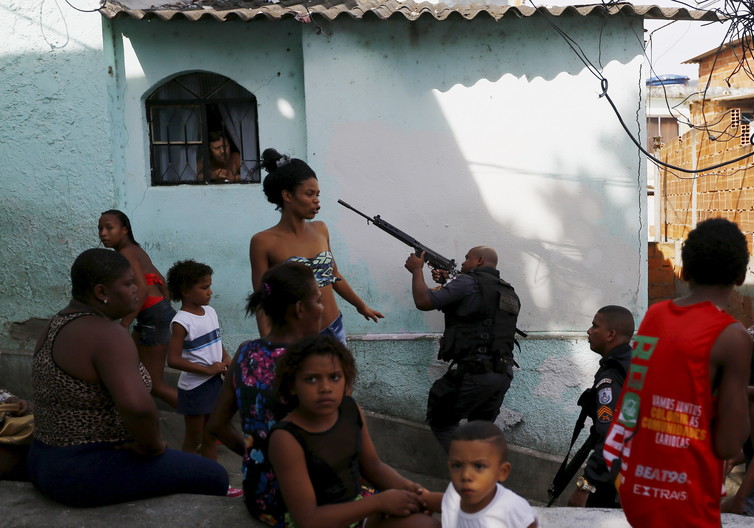
In Brazilian favelas, there are 4.1 million people willing to become entrepreneurs. Among those who intend to start their own business, 58 percent intend to do this within the favela.
Youths
Most of Brazil’s youths from big-city suburbs study in public schools (94 percent) and have never taken a language course (98 percent). The majority (79 percent) have never received any kind of professional qualification.
They also have little access to culture: only five percent of youths from the favelas have gone to the movie theatre in the past month and only four percent have visited a museum or to some exhibition in the past year.
More: Brazil news in English, every day from The Rio Times.
This article was produced by The Rio Times’ automated newsroom system. How we use AI · Report an error · Editorial responsibility: Matthias Camenzind, Editor-in-Chief