Brazil’s Coffee Comeback: A Brew of Growth and Opportunity
Brazil, the global leader in coffee production, is poised for a remarkable increase in its 2024 coffee harvest. This marks a significant recovery, setting the stage for more growth.
Conab has forecasted that Brazil will produce 58.81 million 60-kilogram bags of coffee this year.
This indicates a 6.8% increase from 2023 and an impressive 15.5% rise from 2022, showcasing three consecutive years of growth.
Conab’s report shows a promising future for Arabica, Brazil’s main coffee, with an estimated 42.11 million bags.
The yield per hectare will rise by 5.9%, reaching 27.7 bags.
Conilon coffee production, a robusta variant, will increase by 3.3%, totaling 16.71 million bags.
The coffee cultivation area will expand slightly to about 2.25 million hectares, a 0.5% increase from last year.
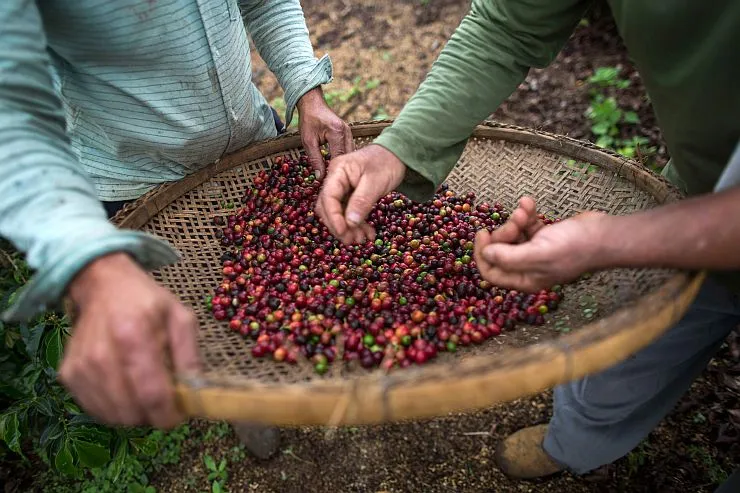
This total includes 1.9 million hectares producing coffee and 344,610 hectares in development, which decreased by 4.7%.
This resurgence comes after three years of export declines due to reduced production and various global challenges.
However, the first four months of 2024 have seen exports jump by 46.5% compared to the same period in 2023, reaching 16.4 million bags.
This turnaround is vital for Brazil’s agriculture, crucial to the national economy and global coffee markets.
Brazil’s coffee sector recovery shows the country’s resilience and adaptability to challenges.
For coffee enthusiasts and analysts, this recovery signals stability and a reliable supply.
Brazil’s coffee story in 2024 is one of growth and resilience, inspiring optimism locally and globally.
Background
For the fourth year in a row, the robust coffee market braces for a shortfall, highlighting a sustained global supply challenge.
Volcafe, a leading coffee trader, points out a significant deficit primarily centered in Vietnam, the world’s top robusta producer.
This country is witnessing its lowest production in over a decade due to severe dry weather.
This year, Vietnam expects to harvest just 24 million bags, the smallest in 13 years.
Insufficient rainfall, which has permanently harmed the coffee blooms, causes this sharp decline.
More: Brazil news in English, every day from The Rio Times.
This article was produced by The Rio Times’ automated newsroom system. How we use AI · Report an error · Editorial responsibility: Matthias Camenzind, Editor-in-Chief