Moraes Summons Flávio Bolsonaro to Testify on July 28 in a Slander Probe
BRAZIL · POLITICS
Key Facts
—The summons: Supreme Court justice Alexandre de Moraes set July 28 at 2 p.m. for senator Flávio Bolsonaro to give testimony to the Federal Police.
—The charge: The inquiry examines whether he committed the crime of slander (calúnia) against President Luiz Inácio Lula da Silva.
—The origin: It stems from a January 3, 2026 post on X in which the senator tied Lula to crimes such as money laundering and drug trafficking.
—The process: Moraes opened the investigation on April 13, 2026, at the Federal Police’s request and with the backing of the Prosecutor-General’s Office.
—The stakes: Flávio Bolsonaro is a presidential pre-candidate, making the timing politically sensitive.
Supreme Court justice Alexandre de Moraes has scheduled senator Flávio Bolsonaro to testify to the Federal Police on July 28 in an investigation into alleged slander against President Lula. The case stems from a January social-media post.
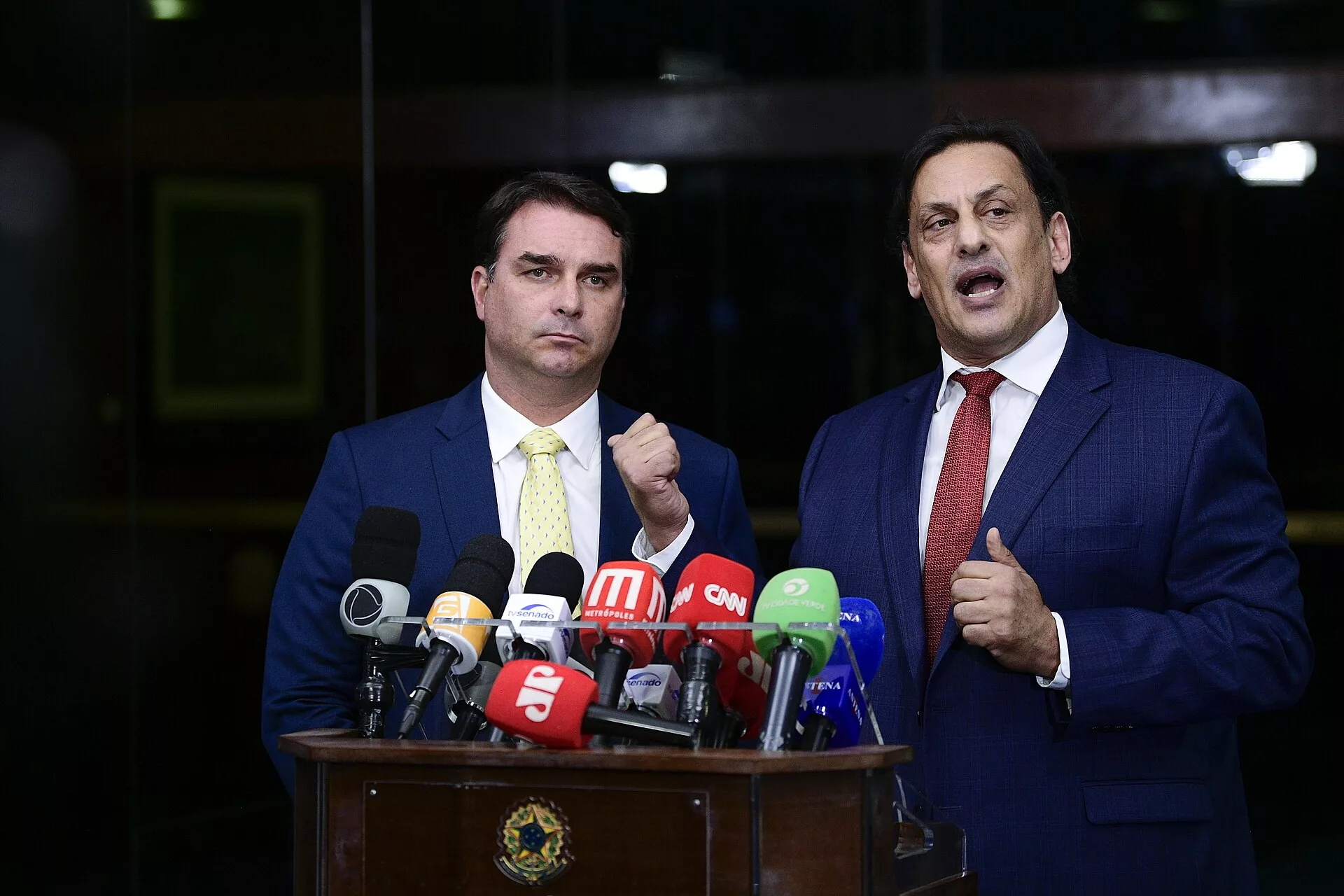
A date is set
Moraes fixed the hearing for July 28 at 2 p.m., to be taken by the Federal Police. The senator is being investigated for the crime of slander against the president.
The move turns a months-old inquiry into a concrete step, with a formal statement now on the calendar.
Where the case comes from
The investigation traces to a January 3, 2026 post on X, in which Flávio Bolsonaro attributed serious crimes to Lula, including money laundering and drug trafficking.
Moraes opened the probe on April 13 at the Federal Police’s request, with a favorable opinion from the Prosecutor-General’s Office. Police concluded the elements of slander were present.
The political backdrop
Flávio Bolsonaro is a presidential pre-candidate, so any legal step lands in the middle of an already charged campaign. Allies frame the probes as political; opponents call them accountability.
The testimony will not decide the case on its own, but it is the next formal marker in a closely watched file.
Frequently Asked Questions
Why is Flávio Bolsonaro being summoned?
Justice Moraes scheduled him to testify to the Federal Police on July 28 in an investigation into alleged slander against President Lula.
What is the case about?
It examines a January 3, 2026 post on X in which he linked Lula to crimes such as money laundering and drug trafficking.
When did the investigation start?
Moraes opened it on April 13, 2026, at the Federal Police’s request and with the Prosecutor-General’s backing.
Connected Coverage
The case adds to a tense political season, alongside the US tariff standoff and Trump’s election-files claims.
This article was produced by The Rio Times’ automated newsroom system. How we use AI · Report an error
Read More from The Rio Times