Brazil’s Agribusiness Fears Amazon Fires May Hurt Exports
SÃO PAULO, BRAZIL – Despite Brazil’s President Jair Bolsonaro apparently curving to global pressure and announcing stronger measures to combat fires currently burning in the Amazon, Brazil’s agribusiness continue to fear that tension between Brazil and its allies may hurt the country’s exports.

“We risk boycotting of our exports, pressure from consumers and environmentalists tends to increase, and Brazil may lose markets,” said former agribusiness minister Blairo Maggi.
“Bolsonaro and his minister [Ricardo Salles] have made Brazil a world environmental villain,” said Senator Renan Calheiros on his Twitter account on Saturday, criticizing the president and the lack of environmental policies of the current administration.
The concerns have increased since French President Emmanuel Macron announced that he was calling for an emergency meeting about the fires during the three-day G7 Summit, which started on Saturday in Biarritz, France.
Both Germany’s Environment Minister and Ireland’s Prime Minister have also stated that the Mercosur-EU trade agreement may be threatened by the inability of Brazil to end the devastating fires in the Amazon region. In June, the two trade blocs announced that a trade agreement had finally been reached, after twenty years of negotiations.
“The Amazon today is the main agenda in the world,” said a Bahia state lawmaker, Nelson Leal. “The Brazilian government has to act very quickly to contain this strong reaction, especially from European countries, against deforestation and burning in the Amazon rainforest.”
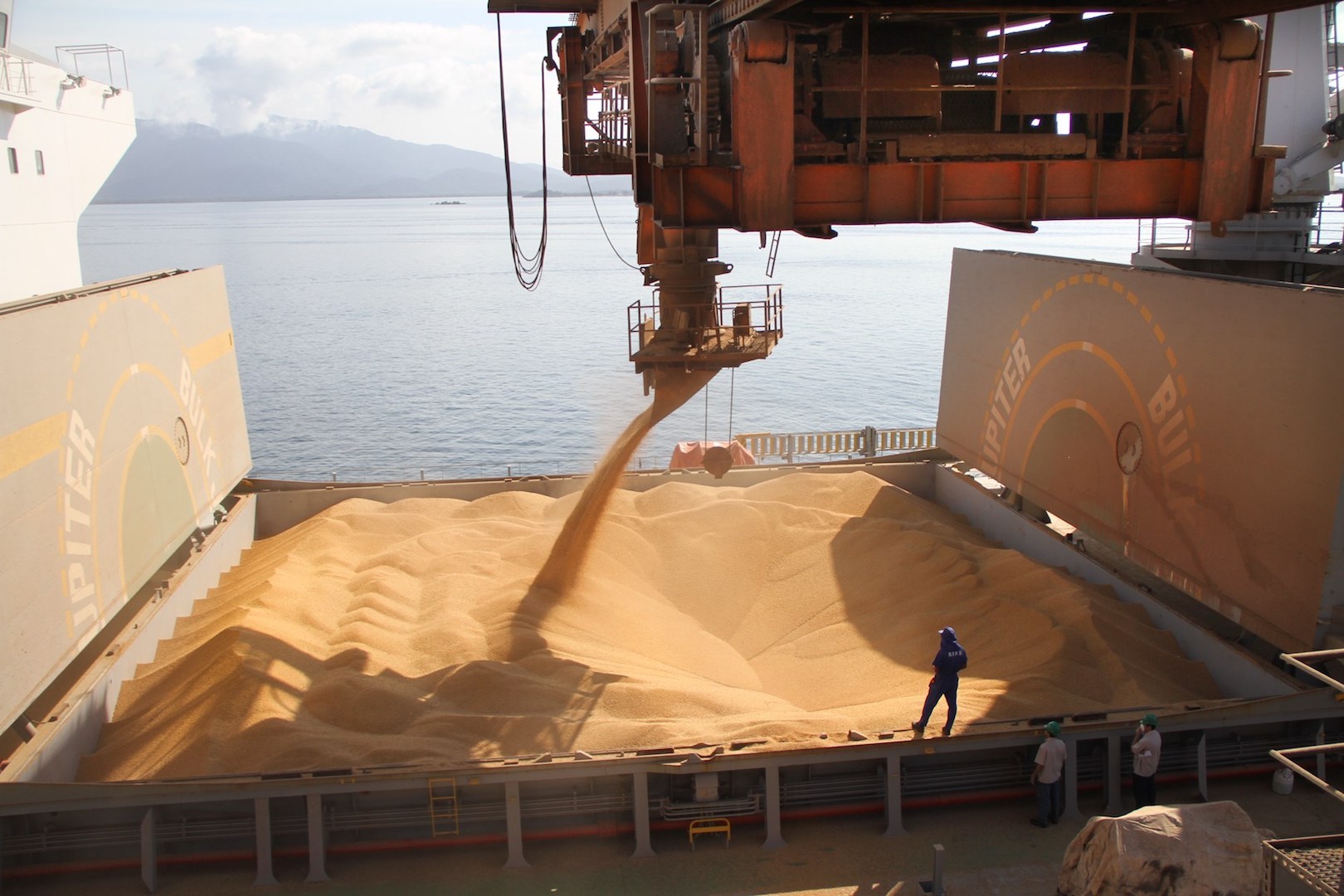
The state of Bahia today exports a significant volume of its production of cocoa, soybean, cotton, and citrus fruits to the European Union and the United States. “If this “hemorrhage” does not stop, Brazil will suffer severe consequences in international trade, with direct damage to agribusiness, mainly compromising the export of food, such as meat, fruits, and grains,” warns Leal.
According to Leal, the argument by the government — being concerned with national sovereignty — no longer appeals to the general populace: “Reviving the discourse that “the Amazon is ours” seduces no one anymore. In the 70s, they said that other countries in the world wanted to invade the forest and take it from Brazil. Half a century has passed, and no one has invaded or taken anything,” argued the lawmaker.
“The Amazon is indeed ours, but it belongs to the whole world, because its being intact means that the planet is safe. The protection of the environment and the preservation of the world’s forests are the obligations of everyone, not one person or just one group,” concluded Leal.
Environmental Science Professor, Pedro Luiz Côrtes, from the University of São Paulo, agrees: “The Brazilian Legal Amazon has always been sovereign. But the government turns a local problem into a geopolitical one, with its negligence, ” argues Côrtes.
Côrtes notes that the Bolsonaro administration was never very sympathetic to the environment and that closing the Ministry of Environment was among the president’s campaign proposals.
“This kind of attitude has repercussions on exports. While the numbers of deforestation are scary, there is no direct reaction from the government. Deforestation monitoring has been extremely slowed in recent months,” he says.
Harsh comments by European Union leaders since Thursday, threatening trade agreements, has raised concerns even from government officials.
“I think they needed to know first from Brazil what is happening before taking any action. When there were fires in Portugal, this year there were fires in Siberia, in short, there were fires all over the world during the dry season. The Amazon is important, and Brazil knows this, Brazil takes care of the Amazon,” said Brazil’s Agriculture Minister Tereza Cristina Correa da Costa Dias on Friday.
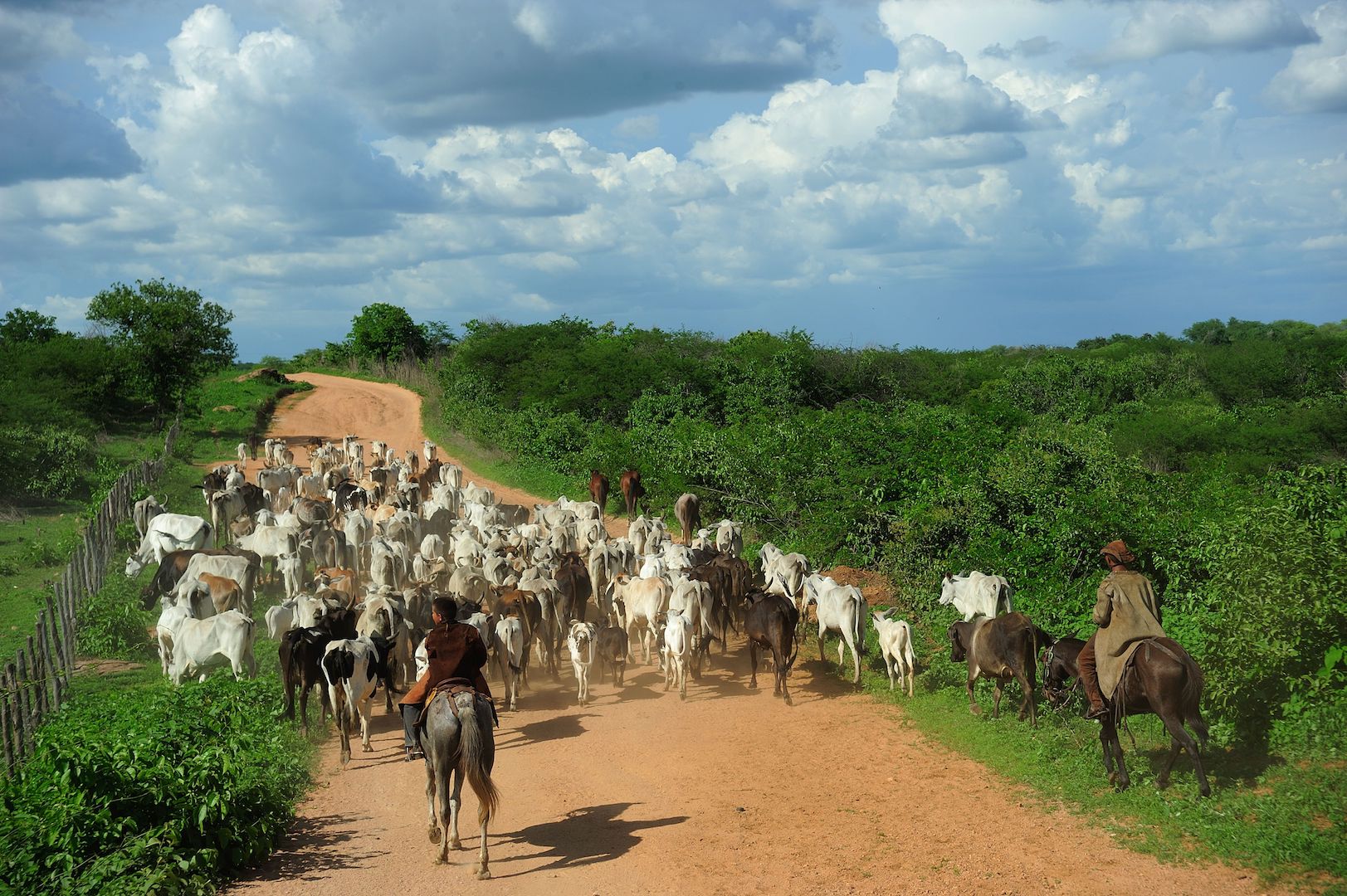
Agricultural products account for almost half of all Brazilian sales to the European Union. In the first semester of 2019, Brazil’s agribusiness exports to the region totaled US$12 billion and, according to analysts, the reduction of exports in the agribusiness segment would mean a significant blow to the Brazilian trade balance.
“The government needs to move and change its discourse urgently. Otherwise, the damage to the Brazilian agriculture and livestock sector as a whole, which is the biggest business that Brazil has, will be greatly affected,” concluded former agriculture minister, Blairo Maggi, in an interview with TV Globo.
More: Brazil news in English, every day from The Rio Times.
Editorial responsibility: Matthias Camenzind, Editor-in-Chief · Editorial standards · Report an error