IBOV 187,197.46 ▲ 0.46% IPSA 10,908.18 ▼ 0.56% IPC MEX 64,214.36 ▼ 1.38% MERVAL 2,758,678 ▼ 2.15% COLCAP 2,517.56 ▼ 1.24% BVL PERÚ 59,831.84 ▼ 0.06% USD/BRL5.22▲ 0.80% USD/MXN18.27▲ 1.13% USD/CLP984.35▲ 1.22% USD/COP3,311▼ 0.68% USD/PEN3.45▲ 0.51% USD/ARS1,524▼ 0.05% USD/UYU40.29▲ 3.66% USD/PYG5,804▲ 1.99% USD/BOB11.94▲ 2.03% USD/DOP59.40▲ 3.01% USD/CRC453.80▲ 2.74% USD/GTQ7.64▲ 3.23% USD/HNL26.87▲ 3.24% USD/NIO36.62▲ 2.66% USD/VES858.02▼ 0.13% USD/PAB1.00— 0.00% USD/BZD2.00— 0.00% USD/JMD 157.28 — 0.00% USD/TTD6.69▲ 1.81% EUR/BRL5.86▼ 0.54% BRENT 88.88 ▼ 0.03% WTI 83.11 ▼ 0.11% IRON ORE 161.91 — — COPPER 6.61 ▲ 0.03% GOLD 4,461 ▲ 1.78% SILVER 65.59 ▲ 1.26% SOY 1,184 ▲ 3.20% CORN 480.50 ▲ 10.02% WHEAT 655.00 ▲ 3.93% COFFEE 317.25 ▼ 5.51% SUGAR 16.43 ▼ 1.79% ORANGE JUICE 138.55 ▼ 0.47% COTTON 85.03 ▲ 2.33% COCOA 5,719 ▲ 3.18% BEEF 223.60 ▼ 3.93% CATTLE 339.10 ▼ 3.16% LITHIUM 75.20 ▲ 1.47% PETR4 41.64 ▼ 0.05% VALE3 72.97 ▲ 0.83% ITUB4 38.60 ▼ 1.03% BBDC4 16.85 ▲ 0.36% ABEV3 14.89 ▼ 0.80% BBAS3 19.37 ▲ 0.47% B3SA3 14.26 ▼ 0.21% WEGE3 47.59 ▲ 0.49% PRIO3 59.14 ▼ 0.19% SUZB3 41.33 ▲ 2.35% RENT3 34.68 ▼ 0.09% AZZA3 15.89 ▼ 2.63% CSAN3 3.22 ▼ 1.83% RAIZ4 0.25 — 0.00% PCAR3 2.75 ▼ 0.36% GMAT3 3.65 ▼ 1.08% PSSA3 48.13 ▼ 0.54% CVCB3 1.33 ▼ 2.92% POSI3 3.36 ▲ 2.44% SLCE3 13.34 ▲ 0.30% NATU3 8.14 ▼ 0.73% IBOV 187,197.46 ▲ 0.46% IPSA 10,908.18 ▼ 0.56% IPC MEX 64,214.36 ▼ 1.38% MERVAL 2,758,678 ▼ 2.15% COLCAP 2,517.56 ▼ 1.24% BVL PERÚ 59,831.84 ▼ 0.06% USD/BRL 5.16 ▲ 0.01% USD/MXN 17.06 ▼ 0.24% USD/CLP 913.98 ▲ 0.04% USD/COP 3,140 ▲ 0.03% USD/PEN 3.36 ▼ 0.66% USD/ARS 1,493 ▲ 0.10% USD/UYU 40.27 ▲ 1.24% USD/PYG 5,939 ▲ 1.68% USD/BOB 11.64 ▼ 0.76% USD/DOP 58.34 ▲ 1.25% USD/CRC 445.92 ▲ 0.89% USD/GTQ 7.62 ▲ 2.21% USD/HNL 26.79 ▲ 1.57% USD/NIO 36.62 ▲ 0.69% USD/VES 762.44 ▼ 0.13% USD/PAB 1.00 — 0.00% USD/BZD 2.00 — 0.00% USD/JMD 157.28 — 0.00% USD/TTD 6.70 ▲ 0.61% EUR/BRL 5.95 ▲ 1.01% BRENT 88.88 ▼ 0.03% WTI 83.11 ▼ 0.11% IRON ORE 161.91 — — COPPER 6.61 ▲ 0.03% GOLD 4,461 ▲ 1.78% SILVER 65.59 ▲ 1.26% SOY 1,184 ▲ 3.20% CORN 480.50 ▲ 10.02% WHEAT 655.00 ▲ 3.93% COFFEE 317.25 ▼ 5.51% SUGAR 16.43 ▼ 1.79% ORANGE JUICE 138.55 ▼ 0.47% COTTON 85.03 ▲ 2.33% COCOA 5,719 ▲ 3.18% BEEF 223.60 ▼ 3.93% CATTLE 339.10 ▼ 3.16% LITHIUM 75.20 ▲ 1.47% PETR4 41.64 ▼ 0.05% VALE3 72.97 ▲ 0.83% ITUB4 38.60 ▼ 1.03% BBDC4 16.85 ▲ 0.36% ABEV3 14.89 ▼ 0.80% BBAS3 19.37 ▲ 0.47% B3SA3 14.26 ▼ 0.21% WEGE3 47.59 ▲ 0.49% PRIO3 59.14 ▼ 0.19% SUZB3 41.33 ▲ 2.35% RENT3 34.68 ▼ 0.09% AZZA3 15.89 ▼ 2.63% CSAN3 3.22 ▼ 1.83% RAIZ4 0.25 — 0.00% PCAR3 2.75 ▼ 0.36% GMAT3 3.65 ▼ 1.08% PSSA3 48.13 ▼ 0.54% CVCB3 1.33 ▼ 2.92% POSI3 3.36 ▲ 2.44% SLCE3 13.34 ▲ 0.30% NATU3 8.14 ▼ 0.73%
since 2009
Thursday, October 1, 2026

Brazilian Bonds Signal Economic Shift While U.S. Markets Price Rate Cuts

By · May 23, 2025 · 3 min read

The LatAm Brief

One email, every weekday morning. What moved in Latin American markets, politics and expat life.

Yesterday’s subject line: “Banxico has missed its target for 75 months in a row”

Free. We send a confirmation link first — nothing arrives until you click it. Unsubscribe with one click in any edition. If you stop opening us for 30 days we stop sending by ourselves, as we assume the interest is no longer there. See our privacy policy. We never share your email.

Trading data from major financial markets reveals a striking divergence between Brazilian and American government bond yields. The patterns expose different monetary policy paths for these major economies.

Brazilian government bonds currently trade at dramatically higher yields than their American counterparts. The country’s 2-year bonds yield 13.84% while 10-year securities offer 14.15%.

These figures dwarf comparable US Treasury yields of 3.98% for 2-year notes and 4.53% for 10-year bonds. The yield spread between Brazilian long and short-term bonds remains relatively stable.

Free daily brief — no card needed
Get every Market Reports story in one morning email
We build you a personalized brief around the topics you follow — free for 7 days. Love it? Your first month after that is US$1.

This narrow gap of roughly 30 basis points suggests markets expect Brazil’s central bank to maintain restrictive monetary policy. The Banco Central do Brasil raised rates to 14.75% in May to combat persistent inflation running at 5.53%.

American bond markets tell a different story entirely. The US yield curve has normalized after months of inversion. The 10-year Treasury now yields 55 basis points more than the 2-year note.

Brazilian Bonds Signal Economic Shift While U.S. Markets Price Rate Cuts
Brazilian Bonds Signal Economic Shift While U.S. Markets Price Rate Cuts.
One-stop reference
Company Intelligence
Every listed company in Latin America — financials, ownership and structure for 1,450+ companies across 26 exchanges, in one place.
Browse the directory →
RT
Ask Rio Times
Latin American markets, currencies and companies.
Open the full Ask Rio Times →

This steepening signals market expectations for Federal Reserve rate cuts ahead. Recent trading patterns show Brazilian yields declining from earlier peaks.

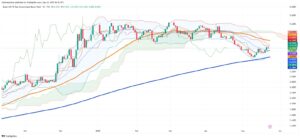
The 10-year bond yield dropped to five-month lows around 13.9% in early May. Solid trade surpluses and easing global trade tensions supported this decline. Brazil posted an $8.2 billion trade surplus in April while industrial output grew 3.1% annually.
Brazilian Bonds Signal Economic Shift While U.S. Markets Price Rate Cuts
Brazilian Bonds Signal Economic Shift While U.S. Markets Price Rate Cuts.

The massive spread between Brazilian and US yields reflects fundamental economic differences. Brazilian bonds carry premiums of roughly 980 basis points across all maturities. This gap compensates investors for higher inflation risks and emerging market volatility.

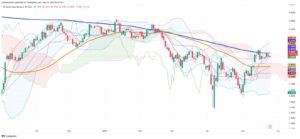
Currency dynamics also influence these yield patterns. The Brazilian real strengthened recently as dollar weakness boosted emerging market assets. Trade policy shifts reduced tariff concerns around Brazil’s commodity exports to major markets.
Brazilian Bonds Signal Economic Shift While U.S. Markets Price Rate Cuts
Brazilian Bonds Signal Economic Shift While U.S. Markets Price Rate Cuts.

Federal Reserve officials maintain cautious stances despite market expectations for rate cuts. St. Louis Fed President Alberto Musalem warned about weakening labor markets. Cleveland Fed President Beth Hammack raised concerns about potential stagflation risks.

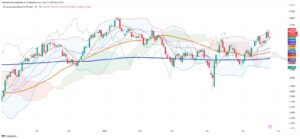
Markets currently price two quarter-point Fed rate cuts by year-end. September and December represent the most likely timing for these moves. Brazilian markets expect their central bank to hold rates steady through the remainder of 2025.
Brazilian Bonds Signal Economic Shift While U.S. Markets Price Rate Cuts
Brazilian Bonds Signal Economic Shift While U.S. Markets Price Rate Cuts.

The contrasting yield curves reflect each country’s unique economic challenges. Brazil battles inflation while maintaining growth momentum through strong exports. America faces different pressures from fiscal concerns and trade policy uncertainties.

These bond market signals provide clear insights into monetary policy divergence. Brazilian authorities prioritize inflation control through restrictive policy. American policymakers prepare for potential easing as economic conditions evolve.

The yield patterns demonstrate how global investors assess different sovereign risks and monetary policy credibility across major economies.

This article was produced by The Rio Times’ automated newsroom system. How we use AI · Report an error

LatAm Markets: Live Signals → — real-time movers, turnover leaders and FX across Latin America.

Read More from The Rio Times

The Rio Times · Power Map
See who really holds power in Latin America
Click to open the Power Map →

Rotate for Best Experience

This report is optimized for landscape viewing. Rotate your phone for the full experience.