Brazil: TSE and Google Launch Deepfake Detection Shield for 2026 Candidates

BRAZIL · ELECTIONS 2026
Key Facts
- —What happened Brazil’s electoral court and Google launched a deepfake detection drive for 2026 candidates on 26 August.
- —The tool YouTube’s Likeness ID scans new uploads for videos that reproduce a registered person’s face.
- —How it works Candidates register with an identity document and a selfie video, then receive alerts and can request removals.
- —The catch The tool detects and notifies, but removals still follow YouTube’s privacy rules, not court orders.
- —The context The court already requires labels on synthetic content and struck a voice-deepfake deal with ElevenLabs.
- —What comes next Brazil votes on 4 October, and the court wants candidates registered before the campaign peaks.
Brazil’s Superior Electoral Court and Google have opened a joint campaign to put a deepfake detection tool in the hands of every candidate in the October election.
What the court and Google launched
The launch took place in Brasília on Wednesday 26 August. The Superior Electoral Court, known by its Portuguese initials TSE, and Google presented a joint awareness campaign for the 2026 elections.
At its centre sits a YouTube feature called Likeness ID. In Portuguese it goes by Detecção por Semelhanças, or likeness detection.
The technology was created in 2025. It tracks synthetic content and deepfakes that reproduce the appearance of a registered person without authorisation.
The campaign urges every candidate in the 2026 race to register. The goal is to widen the tracking of fake material before the campaign reaches its peak.
The tool is open to any user over 18. For candidates, registration works even without an active YouTube channel.
The event brought Nunes Marques and Coelho together at the court. Both framed the deepfake detection campaign as prevention rather than punishment.
The timing is deliberate. Candidate registration closed earlier this month, so the pool of potential users is now fixed.
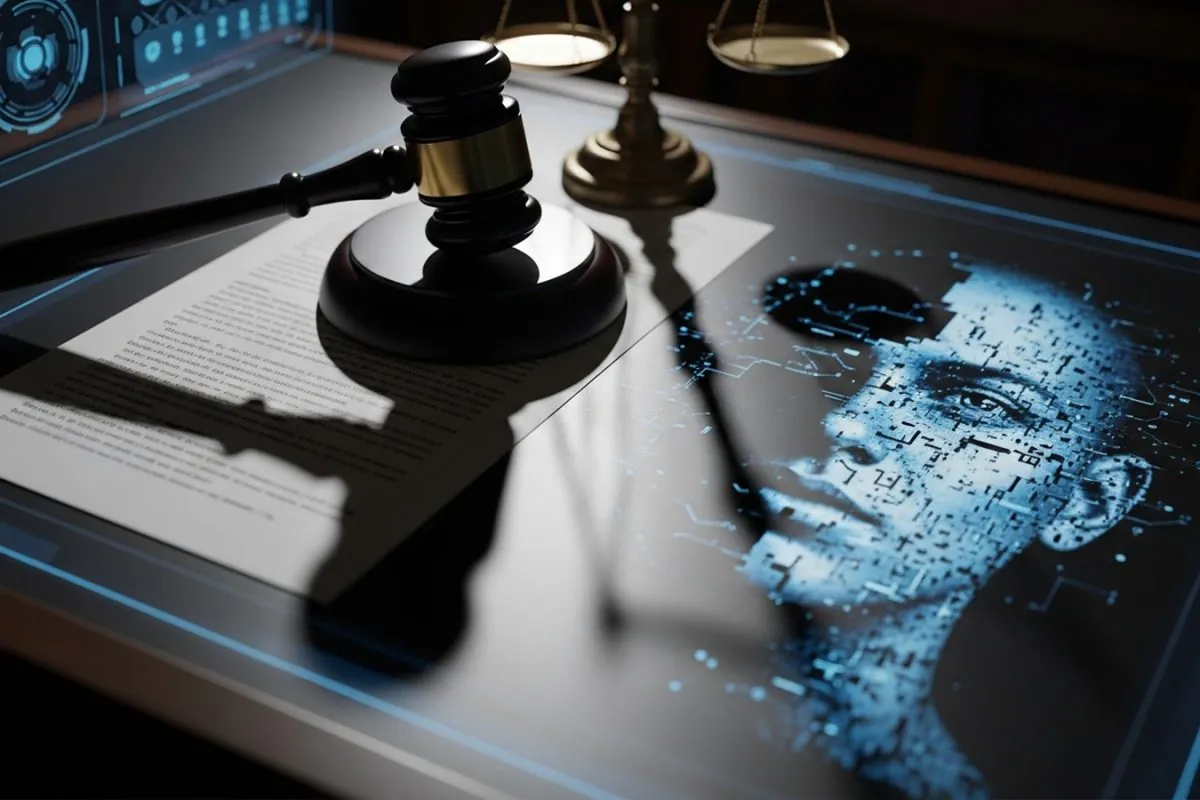
How the deepfake detection tool works
A candidate starts in YouTube Studio, the platform’s management area. A registration-only account is available for those who do not run a channel.
After accepting the terms of use, the candidate submits an official identity document. A photo and a short selfie video complete the identity check.
From that material the system builds a biometric signature of the candidate’s appearance. Processing the registration takes up to two days.
YouTube then scans new uploads automatically. When it finds a video that reproduces the registered face, it notifies the candidate.
The candidate reviews the flagged content and decides what to do. A removal request is evaluated under YouTube’s privacy policies.
If the review confirms a violation, the video comes down. That final step is deliberately human, not automatic.
YouTube says the registration data serves verification only. It is not used to train the company’s generative AI models.
What the two presidents said
Justice Kassio Nunes Marques, the court’s president, set careful limits on the tool. He said it does not replace human oversight or the Electoral Justice’s existing controls.
He framed it as an expansion of tracking capacity. The target is content that harms the honour and image of people in the race.
Fábio Coelho, president of Google Brazil, called the cooperation indispensable for safe elections. He said every complaint is judged against YouTube’s privacy policies.
Coelho added one pointed observation. The protection matters most for women, who are the most frequent targets of image attacks during campaigns.
One piece of a wider arsenal
The Google campaign is the third layer of the court’s anti-deepfake defences this year. Each layer covers a different weakness.
The first is regulation. The court’s rules for 2026 require clear labels on AI-generated campaign content, with tougher limits around voting days.
The second is audio. On 3 August the court signed a cooperation deal with ElevenLabs, a British voice-cloning company.
That agreement created a list of protected voices that cannot be cloned on the platform. Registered candidates and electoral officials sit on it.
Google, for its part, has banned political advertising in Brazil since 2024. Its ads platform carries no candidate content at all.
All of it runs under the court’s Permanent Programme for Combating Disinformation. That programme has grown steadily since its creation.
The court’s deepfake detection strategy borrows from copyright logic. Likeness ID works much like YouTube’s Content ID system for music and film.
The court has also built its own reporting channels. Voters can flag suspicious content through its disinformation alert system.
Why it matters for the October vote
Brazilians vote on 4 October in the first round. President, governors, senators and the full lower house are all on the ballot.
The deepfake problem is no longer theoretical in Brazil. The court has already ordered the removal of an AI-manipulated video this month.
Brazil has become a global test case for election technology rules. Its electoral court acts faster and more assertively than most peers.
For foreign observers the signal is worth reading. A campaign that stays credible reduces the odds of a contested result.
Investors watch that question closely. Post-election stability has moved Brazilian markets sharply in past cycles.
The deepfake detection push also arrives as synthetic video grows cheaper to make. What once took a studio now takes a laptop.
No major democracy has gone further this year. Europe’s rules are broader on paper, but Brazil’s are already operational.
For the millions of foreigners living in Brazil the stakes are indirect but real. A cleaner information environment shapes the country they live in.
What to watch from here
The first marker is adoption. The campaign only works if thousands of candidates actually register their faces.
The second is speed. A deepfake detected in two days is useful; one detected in two weeks is archaeology.
The third is scope. The tool watches YouTube, while much of Brazil’s campaign lives on WhatsApp and other platforms.
The court knows that gap well. Further partnerships are likely before the first vote is cast.
A fourth test sits beyond Brazil’s borders. Much of the synthetic content aimed at its voters is produced outside its jurisdiction.
Frequently Asked Questions
What is YouTube’s Likeness ID tool?
It is YouTube’s likeness-detection system, created in 2025. It scans uploaded videos for AI-generated content that reproduces a registered person’s appearance.
How can Brazilian candidates use the deepfake detection tool?
Candidates register in YouTube Studio with an official document and a selfie video. YouTube then alerts them to matching videos, and they can request removal under the platform’s privacy policies.
Does the tool remove deepfakes automatically?
No. It flags suspected matches for the registered person to review. Removal happens only after a complaint is evaluated under YouTube’s privacy policies.
Sources
Agência Brasil (27 August 2026); Gazeta do Povo (27 August 2026); Valor Econômico (11 August 2026); Superior Electoral Court announcement on the ElevenLabs agreement (6 August 2026); CNN Brasil (1 June 2026).
This article was produced by The Rio Times’ automated newsroom system. How we use AI · Report an error · Editorial responsibility: Matthias Camenzind, Editor-in-Chief