Furniture Chain Tok&Stok Wins a Judicial-Recovery Shield on $215M Debt
Business
Key Facts
—The ruling. A São Paulo court has approved judicial recovery for Grupo Toky.
—The owner. Toky owns the furniture chains Tok&Stok and the digital retailer Mobly.
—The debt. The group listed about R$1.1 billion, some $215m, in total debt.
—The shield. The court froze enforcement actions against the group for 180 days.
—The stakes. The group runs 63 stores and about 2,278 jobs, kept open for now.
Brazil’s Tok&Stok judicial recovery has cleared its first legal hurdle, buying the furniture group time to restructure more than a billion reais of debt.
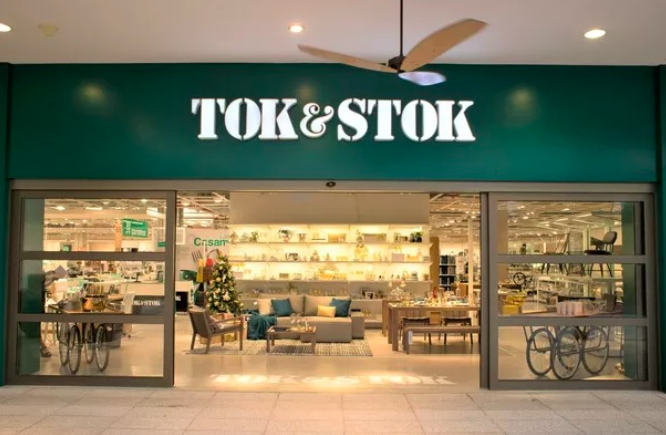
A São Paulo court has approved the process for Grupo Toky. The company owns the traditional chain Tok&Stok and the digital retailer Mobly.
The ruling grants breathing room. It freezes seizures and enforcement actions against the group for 180 days while it drafts a plan for creditors.
What the Tok&Stok judicial recovery means
Judicial recovery is Brazil’s version of Chapter 11. A struggling company asks a bankruptcy court for protection while it negotiates a restructuring with creditors.
The stay is the key benefit. For 180 days, creditors cannot seize assets or force payment, giving the group space to keep trading and to plan.
The debt is substantial. Grupo Toky listed total obligations of about one point one billion reais, roughly 215 million dollars, in its petition.
The stores stay open for now. The group runs 63 physical outlets plus the Mobly website, and employs about 2,278 people whose jobs it hopes to protect.
Why the Tok&Stok judicial recovery happened
The group blames the economy. It points to high interest rates, stretched household budgets and tight credit, all of which have hit furniture and decor sales.
The losses tell the story. In the first quarter of 2026 the company reported a net loss of about 75.5 million reais, deepening the strain on its cash.
The company is a recent marriage. Grupo Toky is the holding company that owns Tok&Stok, Mobly, and Guldi; Mobly acquired control of Tok&Stok in an agreement announced in August 2024 and finalized in November 2024, but Grupo Toky predates this transaction.
The union was fraught from the start. The founding Dubrule family fought to reclaim control, and the two sides traded lawsuits that added to the turmoil.
For a foreign investor, the read is sectoral. Toky is one of several Brazilian firms seeking court protection this year as high rates squeeze indebted companies.
The brands themselves are well known. Tok&Stok, founded in the late 1970s, was for decades the go-to name for middle-class furniture across Brazil.
Mobly came from the other direction. Launched in 2011, it grew as an online-only seller before buying its older, store-based rival in 2024.
The deal promised savings. The two merged their logistics, and the group projected tens of millions of reais in annual cost cuts from the tie-up.
But debt overwhelmed the synergies. Leverage was already very high when the businesses combined, and rising rates made servicing it steadily harder.
The market has marked it down. The shares have collapsed over the past year, leaving the company worth only a fraction of its earlier value.
The next step is the plan. The group must present creditors a detailed restructuring, and they will vote on whether to accept its terms.
The wider retail picture is grim. Brazilian home and furniture chains have been among the hardest hit as expensive credit deters big-ticket purchases.
The founding family may yet return. The Dubrules have circled the business before and could re-emerge as creditors or as would-be investors in any deal.
For now, the court has bought time. Whether that time is enough depends on sales recovering and rates easing before the protection runs out.
More: Brazil news in English, every day from The Rio Times.
Frequently Asked Questions
What is the Tok&Stok judicial recovery?
It is a court-supervised restructuring of Grupo Toky, the holding that owns Tok&Stok and Mobly. A São Paulo court approved the process and froze creditor enforcement for 180 days while the group prepares a plan to deal with about one point one billion reais of debt.
Will the stores stay open?
Yes, for now. The petition explicitly seeks to keep all 63 physical stores and the Mobly digital channel operating, protecting roughly 2,278 jobs while the restructuring proceeds under court supervision.
Why did the group get into trouble?
The company blames high interest rates, tight credit and indebted households, which have cut furniture sales. A troubled 2024 merger and a bitter fight with the founding Dubrule family added further strain.
Frequently Asked Questions
What does the court ruling mean for Grupo Toky?
The São Paulo court approved judicial recovery for Grupo Toky, which is Brazil's version of Chapter 11. This freezes seizures and enforcement actions against the group for 180 days while it drafts a restructuring plan for creditors.
How much debt does the group have and what businesses are involved?
Grupo Toky listed total obligations of about R$1.1 billion, roughly $215 million, in its petition. The company owns the traditional furniture chain Tok&Stok and the digital retailer Mobly.
What happens to the stores and employees during this process?
The stores stay open for now, as the group runs 63 physical outlets plus the Mobly website. The group employs about 2,278 people whose jobs are kept open for now.
This article was produced by The Rio Times’ automated newsroom system. How we use AI · Report an error
LatAm Markets: Live Signals → — real-time movers, turnover leaders and FX across Latin America.
Read More from The Rio Times