Brazil Judges Earn Up to $97,000 a Month, Defying a Pay Cap

Politics
Key Facts
—The breach. Data shows 616 judges paid above the constitutional cap in May.
—The peak. Some monthly pay packets reached R$495,000, about $97,000.
—The cap. The constitutional ceiling stands at R$46,366 a month, roughly $9,100.
—The warning. Four Supreme Court justices told courts such extra payments are absolutely forbidden.
—The pattern. At least seven state courts paid above the limit despite this year’s rulings.
Brazil’s fight over its Brazil judges pay cap has escalated, with fresh figures showing courts paid magistrates far above the limit even after the Supreme Court acted.
The numbers are striking. In May, 616 judges and appeals-court judges received pay above the constitutional ceiling, with some packets reaching about 97,000 dollars in a single month.
The ceiling itself is far lower. Brazil’s constitution caps public pay at roughly 9,100 dollars a month, the salary of a Supreme Court justice.
How the Brazil judges pay cap was breached
The tool is the penduricalho. The word means dangling trinkets, and it covers allowances and bonuses that courts classify as compensation rather than salary.
Because they count as compensation, they sit outside the cap. That lets total pay balloon while the salary line, on paper, still respects the limit.
At least seven state courts exceeded the limit. Data reviewed for May covered courts in states from Goiás and the Federal District to Rio de Janeiro and Paraná.
The courts lean on other bodies. They cite decisions by the judiciary’s own oversight councils as cover for payments the Supreme Court had tried to restrict.
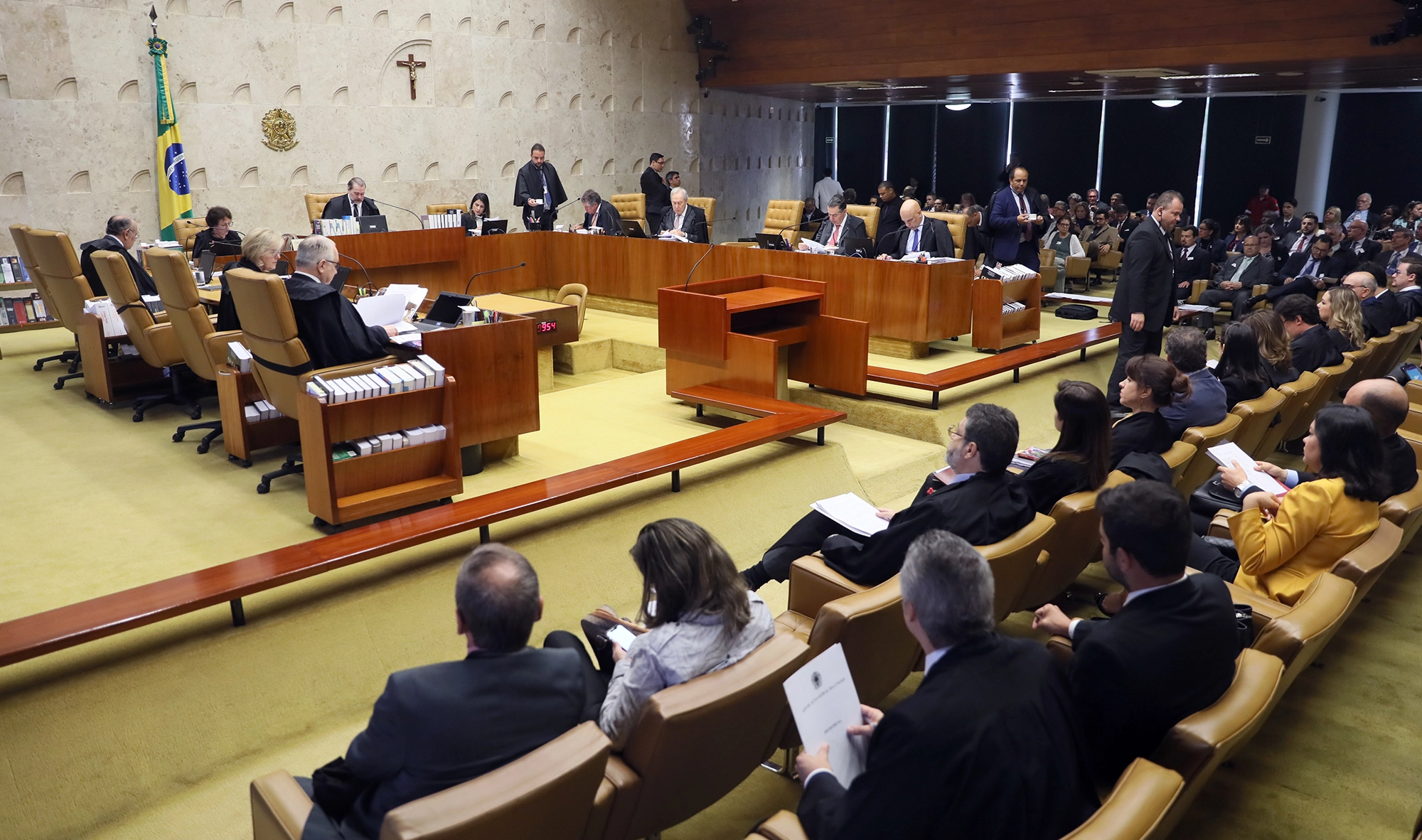
Why the Brazil judges pay cap matters
Four justices have now drawn a line. Flávio Dino, Gilmar Mendes, Alexandre de Moraes and Cristiano Zanin warned that unauthorised extra pay is absolutely forbidden.
The clash is institutional. It pits the top court against lower courts and oversight councils, testing whether a Supreme Court ruling can actually be enforced.
The fiscal weight is real. Above-ceiling pay across the public sector is estimated to cost around twenty billion reais a year, money that could fund services.
For a foreign investor, this is a country-risk signal. When even court rulings on public pay are quietly sidestepped, it says something about how rules hold in Brazil.
The politics are awkward too. Polls show most Brazilians want the cap enforced, yet the caste that benefits also helps write and interpret the rules.
The saga began earlier this year. In February, the court moved to suspend perks that pushed pay above the ceiling, giving bodies time to review them.
Then the rules softened again. At the end of June, the court settled a transition, keeping a cap on perks but releasing some suspended back-pay.
The May figures predate that settlement. They show payments made while stricter rules were still in force, which is why the justices reacted so sharply.
The reasons courts gave vary. Some cited early holiday bonuses, others leave-related top-ups, several of which are allowed to exceed the usual limit.
But the core dispute is simpler. Watchdogs argue the payments are a way of draining public money the moment tighter oversight starts to bite.
The comparison abroad is stark. Studies rank Brazil first among peer countries for public-sector pay above its own legal ceiling, far ahead of neighbours.
The next step falls to the top court. It must decide whether to punish the courts that overpaid, or accept the councils’ cover and let the practice stand.
For now, the warning is the story. Four of the country’s most powerful justices have said, in writing, that the era of quiet workarounds is meant to be over.
What is the Brazil judges pay cap?
It is the constitutional ceiling on public pay, set at the salary of a Supreme Court justice, roughly 9,100 dollars a month. Judges use allowances classed as compensation, called penduricalhos, to earn well above it.
How far above the cap did pay go?
Data for May showed 616 judges paid above the ceiling, with some packets reaching about 97,000 dollars in a month. That is more than ten times the constitutional limit of around 9,100 dollars.
What did the Supreme Court justices say?
Four justices, including Flávio Dino, warned in official orders that extra payments not authorised by the court’s ruling are absolutely forbidden. The message escalates a standoff with lower courts that have kept paying above the cap.
Connected Coverage
Brazilian Courts Deny Breaking the Judges’ Pay Cap
Frequently Asked Questions
What is the constitutional pay cap for public servants in Brazil?
The constitutional ceiling is set at the salary of a Supreme Court justice, roughly 9,100 dollars a month.
How much above the cap did some judges earn in May?
Data for May showed 616 judges paid above the ceiling, with some monthly pay packets reaching about 97,000 dollars.
What did the four Supreme Court justices say about the extra payments?
Justices Flávio Dino, Gilmar Mendes, Alexandre de Moraes and Cristiano Zanin warned that unauthorised extra pay is absolutely forbidden.
This article was produced by The Rio Times’ automated newsroom system. How we use AI · Report an error · Editorial responsibility: Matthias Camenzind, Editor-in-Chief
Brazil runoff, Sunday, October 25: Brazil runoff: date, poll closing times and when results start. Latest: Brazil runoff polls, Flávio 51%, Lula 49%.