US Sells Brazil Stinger Missiles, but the Mission Is Murky
Brazil · Defense
Key Facts
—The deal. The US State Department cleared a possible sale to Brazil of 100 FIM-92K Stinger Block I missiles and related gear, worth up to $330m (R$1.8bn).
—The date. The Defense Security Cooperation Agency notified the US Congress on June 11, 2026.
—The weapon. The Stinger is a shoulder-fired missile built to hit aircraft, helicopters and other low-flying targets.
—The stated reason. Washington framed the sale around countering “narcoterrorism” within Brazil’s borders and its region.
—The shift. The buy would move Brazil away from Russian Igla systems toward Western kit, alongside its Swedish RBS 70.
—The suppliers. The lead contractors would be RTX, formerly Raytheon, and Lockheed Martin; Congress still has a review window.
The United States has approved a possible sale to Brazil of one hundred Stinger missiles and related equipment, valued at up to three hundred and thirty million dollars, for operations Washington described as countering narcoterrorism.
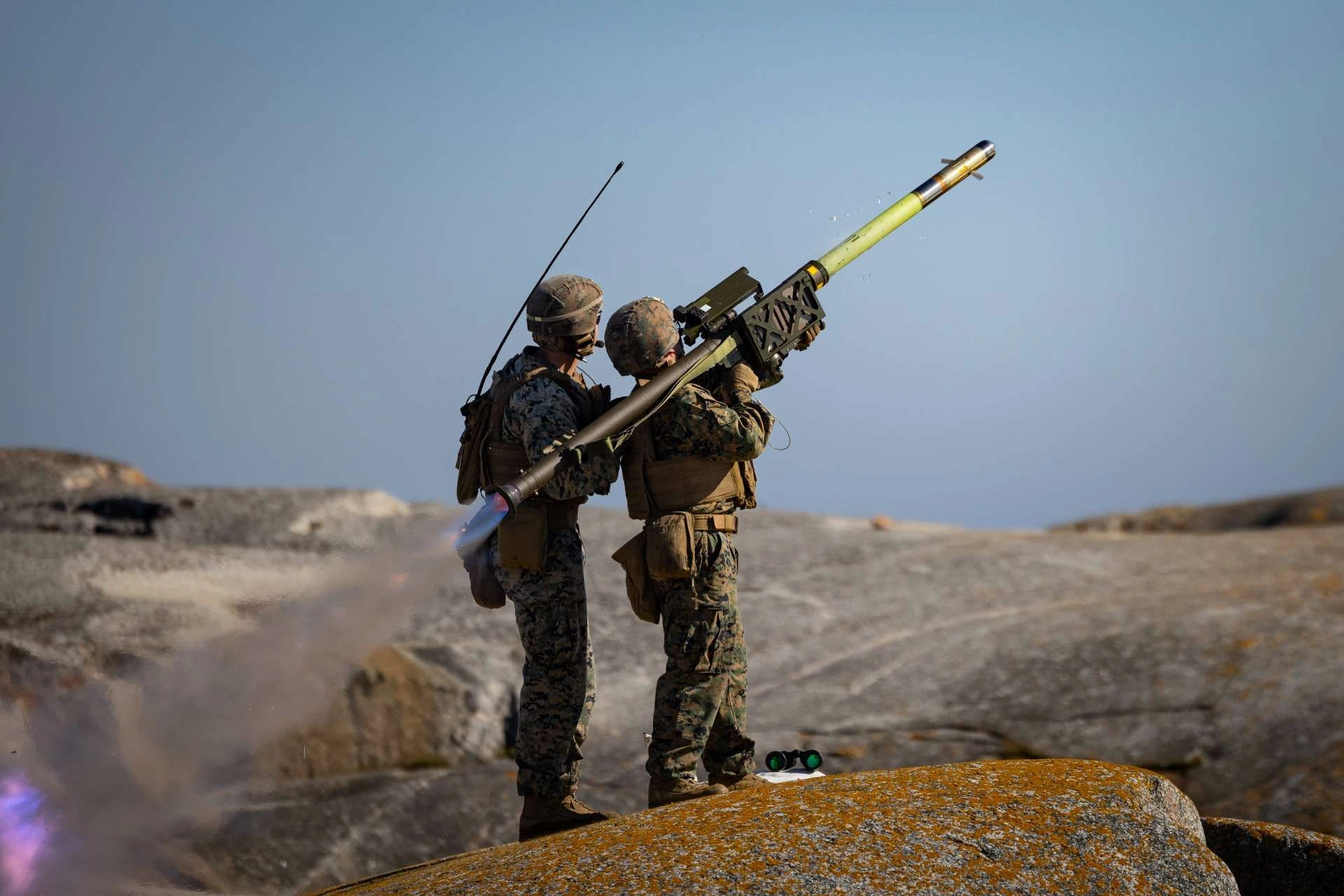
The Stinger is a portable missile a single soldier can carry and fire from the shoulder. It is designed to hit aircraft flying low and close, the kind of target larger air-defense systems are not built to catch.
The package still needs contract terms and a US congressional review before it is final. The deal is modest in dollar terms but the official reason given and the weapon’s actual use do not line up neatly.
What the Stinger missiles are actually for
The US notice said the sale would help Brazil take more responsibility for its own territory and support operations against what it called narcoterrorism, inside its borders and across the region. The justification leaned heavily on security and crime.
A Stinger is an anti-aircraft weapon meant to bring down planes and helicopters, not to chase drug runners through the jungle or dismantle a trafficking network on the ground. Brazil’s drug-trafficking groups do not field an air force.
The practical fit between a shoulder-launched air-defense missile and a counter-narcotics mission is, at best, indirect. A more straightforward reading is the conventional one.
The missiles would strengthen the Brazilian Army’s short-range air defense and help it police the country’s vast and lightly covered airspace.
A quiet tilt away from Russian hardware
The purchase would move Brazil toward Western equipment and away from the Russian-made Igla systems it has relied on. The Stinger would sit alongside the Army’s Swedish-built RBS 70, deepening Brazil’s ties to Western suppliers.
For a country that has long mixed and matched its arsenal, that is a notable lean. The lead contractors would be the American firms RTX, the maker formerly known as Raytheon, and Lockheed Martin.
For Brazil, it is a piece of a wider push to modernise armed forces that have leaned on older and home-grown kit. That drive has gathered pace as defense spending climbs worldwide and suppliers field a wave of fresh orders.
The Army’s main portable air-defense system today is the Swedish RBS 70 NG, and the Stinger is the direct Western rival to the Russian Igla family Brazil also operates. Specialist outlets noted that the reasons for the switch were never spelled out.
What is clear is that the package would give Brazil a widely used Western system and a deeper line to American manufacturers.
Why the framing matters
The narcoterrorism label arrives just as Washington has been pressing the region to treat major criminal groups as terrorist organisations. Attaching a routine air-defense sale to that campaign gives the deal a political colour it might not otherwise carry.
It signals alignment on security at a moment of careful diplomacy between the two governments. The State Department has approved the sale, but contract terms must still be agreed and the US Congress has a review period before anything is final.
If those steps clear, Brazil gains a proven Western shield for its skies, and Washington gains a closer partner on its own continent. The label may say one thing, but the capability points firmly toward the air.
Frequently Asked Questions
What did the United States approve for Brazil?
The State Department cleared a possible sale of one hundred Stinger missiles and related equipment, worth up to three hundred and thirty million dollars. The package still needs contract terms and a US congressional review before it is final.
Why is the stated purpose questioned?
Washington framed the sale around countering narcoterrorism, but the Stinger is an anti-aircraft weapon designed to hit planes and helicopters. Brazil’s trafficking groups have no air force, so the missiles fit conventional air defense far more than a drug fight.
What does the deal mean for Brazil’s arsenal?
It would tilt Brazil toward Western hardware, moving away from Russian Igla systems and complementing its Swedish RBS 70. The lead suppliers would be the American firms RTX and Lockheed Martin.
Connected Coverage
US Labels Brazil’s Two Biggest Criminal Gangs as Terrorist Groups
New Missile, New Might: Brazil’s Army Ups Its Game Looking North
This article was produced by The Rio Times’ automated newsroom system. How we use AI · Report an error
Read More from The Rio Times