Brazil’s Right Enters 2026 Without Its Strongest Card on the Table

Politics
Key Facts
—The vote. Brazil holds its first-round presidential election on October 4, 2026, with a likely runoff on October 25.
—Tarcísio out. São Paulo Governor Tarcísio de Freitas, seen as the right’s strongest option, is legally barred from the 2026 presidential race after opting to seek re-election as governor.
—Bolsonaros blocked. Jair Bolsonaro is ineligible until 2030, and on June 16, 2026 his son Eduardo was ruled ineligible for twelve years.
—Standard-bearer. Senator Flávio Bolsonaro is the Liberal Party pre-candidate, but he trails President Lula in first-round polls and faces his own court risk.
—Registration. Candidacies become official in July 2026, forcing the right to commit as its field stays fractured.
The Brazil right 2026 campaign opens with a striking problem. The movement’s most electable figure cannot run, and the family that gave it a name is tangled in the courts.
For an outside reader, the shape is simple. President Luiz Inácio Lula da Silva, now eighty, is running for a fourth term, and the fragmented right has not settled on a single rival.
The reason is partly law and partly legal trouble. Brazil’s rules and its courts have quietly removed the opposition’s three most obvious names, one by one.
Why the Brazil right 2026 field is so thin
Start with the man many analysts consider the strongest card. São Paulo Governor Tarcísio de Freitas runs Brazil’s largest state economy and appeals to business and to voters wary of harsher rhetoric.
Yet he cannot run for president this year. Brazilian law requires an official who wants a different office to step down months before the vote. Tarcísio chose instead to seek re-election as governor, which legally rules him out of the national race.
The Bolsonaro name faces its own walls. Former president Jair Bolsonaro is ineligible until 2030 and under house arrest.
On the sixteenth of June a court ruled his son Eduardo ineligible for twelve years. The ruling was tied to a coercion conviction linked to the 2022 coup case.
Other governors circle the space without filling it. Ronaldo Caiado of Goiás and Romeu Zema of Minas Gerais have both tested the waters.
Neither has broken through, however. Their overlapping ambitions split the very votes a single challenger would need.
The effect is a crowded but shallow bench. A movement that swept to power in 2018 behind one dominant figure now spreads its support across several smaller ones, none able to consolidate the rest.
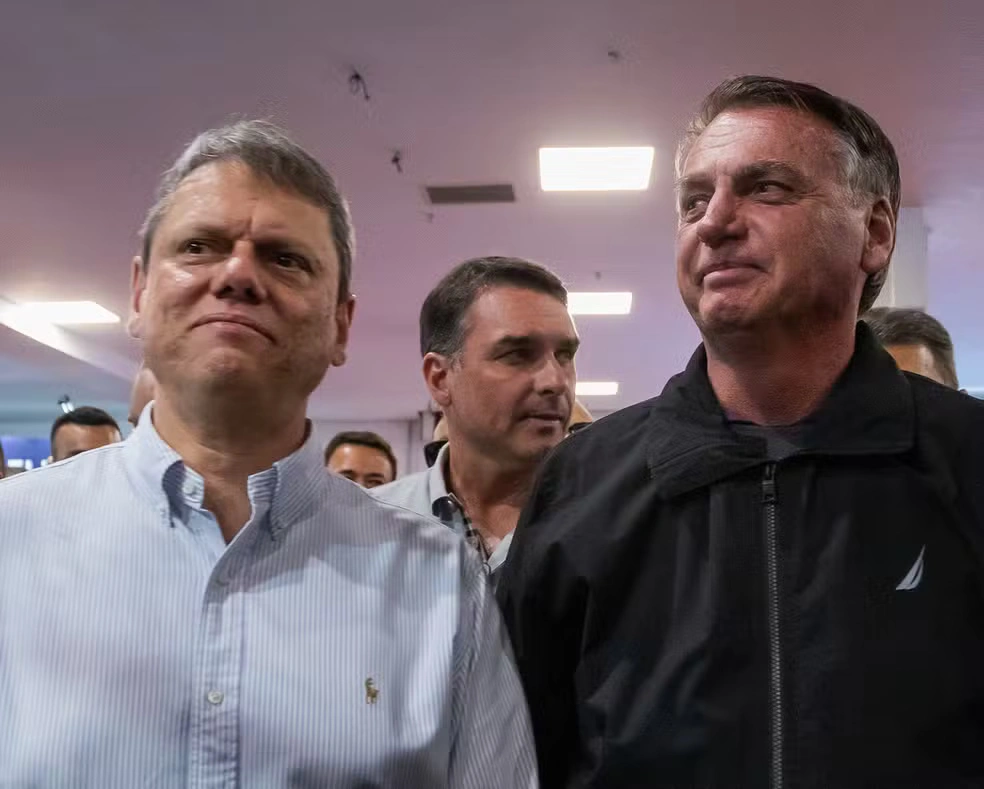
Flávio carries the flag, and the risk
That leaves Senator Flávio Bolsonaro as the Liberal Party’s pre-candidate, blessed by his father to carry the movement. He commands the loyal Bolsonarista base but lacks his father’s charisma and trails Lula in first-round polling.
His position is also legally fragile, and the family is visibly split. In late June his stepmother Michelle Bolsonaro quit a senior party post after a public row, a rare crack in the conservative camp.
What the Brazil right 2026 gap means for investors
Markets tend to read a weak, divided opposition as a sign that policy will not change soon. For now that points to continuity under Lula, and a genuine contest usually reprices currencies and bonds.
The picture can still shift. If second-round polls show Flávio faltering badly, pressure could build for a late entry by a governor or centrist.
Brazilian races have a history of tightening. They often close far more than early numbers suggest.
The issues favor the opposition even when the candidates do not. Public security and organized crime rank high among voter worries, and the right’s law-and-order message still resonates beyond its core base.
Whoever the right chooses will inherit that opening. The open question is whether a fractured field can find someone to turn a strong message into a strong candidate before the July deadline.
Why can’t Tarcísio run for president in 2026?
Brazilian law requires an executive seeking a different office to resign several months before the vote. Tarcísio de Freitas chose to run for re-election as São Paulo governor, which legally bars him from the presidential race.
Who is the right’s presidential candidate now?
Senator Flávio Bolsonaro is the Liberal Party pre-candidate, endorsed by his father. He leads the field on the right but trails President Lula in first-round polls and faces legal and family pressures.
When do the candidacies become official?
Candidacies are formalized in July 2026, ahead of the October 4 first round. That deadline forces the right to commit to a candidate even though its field remains fractured.
Frequently Asked Questions
When does Brazil hold its 2026 presidential election?
Brazil holds its first-round presidential election on October 4, 2026, with a likely runoff on October 25. Candidacies become official in July 2026, forcing parties to commit to their choices.
Why is Tarcísio de Freitas not running for president in 2026?
São Paulo Governor Tarcísio de Freitas, considered the right's strongest option, is legally barred from the 2026 presidential race because he opted to seek re-election as governor. Many analysts view him as the opposition's strongest potential candidate.
What is the current legal status of the Bolsonaro family regarding the 2026 election?
Jair Bolsonaro is ineligible to run until 2030, and on June 16, 2026, his son Eduardo was ruled ineligible for twelve years. Senator Flávio Bolsonaro is the Liberal Party pre-candidate but trails President Lula in first-round polls and faces his own court risk.
Connected Coverage
Michelle Bolsonaro Quits Party Post, Splitting Brazil’s Right
Argentina Economy 2026: 4.4% Growth, Inflation Slashed to 33%
Argentina Unveils Super RIGI With 15% Tax to Land $30B Investors
This article was produced by The Rio Times’ automated newsroom system. How we use AI · Report an error · Editorial responsibility: Matthias Camenzind, Editor-in-Chief