Brazil Shields Its Pix Payment Brand as US Trade Fight Heats Up
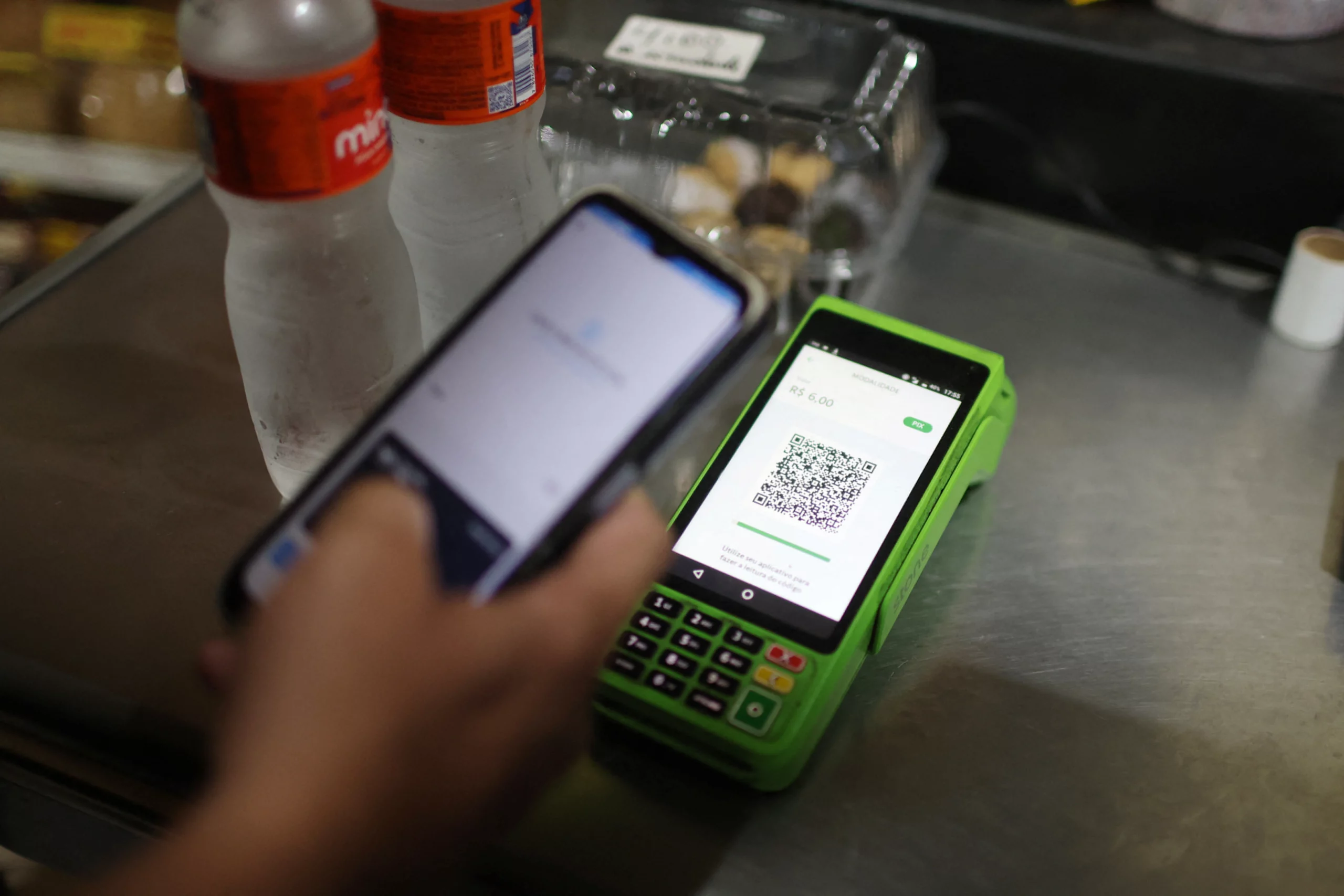
Payments · Brazil
—The move. Brazil has granted its Pix payment system the highest tier of trademark protection the country offers.
—The reach. The status shields the Pix name across every category of business, not just financial services.
—The first. Pix is the first brand tied to a public body in Brazil ever to receive the classification.
—The recognition. Nearly nine in ten Brazilians recognize the Pix brand, a survey for the central bank found.
—The timing. It lands days after Washington named Pix in a trade probe tied to a proposed tariff on Brazil.
—The signal. A state-built payment rail has become both a national asset and a point of friction with the United States.
A new Pix trademark ruling has handed Brazil’s instant-payment system the strongest brand protection the country can give, a move that doubles as a quiet act of defense just as the system becomes a flashpoint in a trade dispute with the United States.
What the Pix trademark ruling does
Brazil’s patent and trademark office has granted Pix what it calls high-renown status. It is the top level of brand protection available under the country’s intellectual-property law.
Pix is the instant-payment system built and run by Brazil’s central bank, used by most of the country for everyday transfers. Until now its trademark was registered only for financial services.
The new status widens that protection to cover every category of business, from technology products to entertainment. In practice, anyone trying to register a brand using the Pix name in any sector will now be refused automatically.
For a foreign reader, the simplest comparison is a brand so well-known that the law shields it everywhere at once. Pix is also the first brand linked to a public institution in Brazil to win that treatment.
Under Brazilian law, most trademarks are protected only within their own market segment, so similar names can coexist in different industries. High-renown status breaks that rule, reserving the name for its owner across the board.
The protection runs for a defined period and can be renewed. For the central bank, it closes the door on companies trying to borrow Pix’s familiarity to sell unrelated products.
A brand almost everyone knows
The decision rests on how deeply Pix has sunk into daily life. A survey commissioned by the central bank found that nearly nine in ten Brazilians aged sixteen and over recognize the brand.
That works out to roughly a hundred and forty million people. Recognition ran above seven in ten across every age group and income bracket measured.
The figures climbed close to universal among younger adults and wealthier households. Even the lowest readings, among the elderly and the poorest groups, stayed comfortably above two-thirds.
Launched only a few years ago, Pix has gone from novelty to default. It now handles a huge share of the country’s person-to-person and retail payments.
Why the timing matters
The protection is not only about brand squatters. It arrived days after the United States singled out Pix in a preliminary trade report.
Washington’s trade office argued that the system unfairly disadvantages American electronic-payment companies. It cited Pix as one justification for a proposed tariff of a quarter on Brazilian goods.
Brazil’s government has pushed back hard, framing Pix as a public good rather than a trade barrier. The trademark ruling, announced by a senior minister, reads as part of that defense.
By formally enshrining Pix as a national asset, the government strengthens its case at home and abroad. It turns a popular convenience into something closer to sovereign infrastructure.
Why it matters for investors
The dispute over Pix is a window into a larger fight. Brazil has built a free, state-run payment rail that competes with the card networks and processors that dominate much of the world.
For foreign payment firms, that model is both a threat and a puzzle, since it is hard to compete with a service that costs users nothing. For Brazil, it is a source of pride and growing leverage.
The trademark move is small in itself, but it signals resolve. Brasília is making clear it will protect Pix on every front, legal and diplomatic alike.
For anyone tracking the trade tension between the two countries, the message is that Pix is not up for negotiation. It has become a line the government intends to hold.
More: Brazil news in English, every day from The Rio Times.
Frequently Asked Questions
What is the Pix trademark ruling?
Brazil’s patent and trademark office granted Pix high-renown status, the highest tier of brand protection under the country’s intellectual-property law. The ruling extends protection of the Pix name across every category of business rather than only financial services.
Why did Brazil protect Pix now?
The recognition came days after the United States named Pix in a preliminary trade report, arguing it disadvantages American payment companies and citing it to justify a proposed tariff on Brazilian goods. The Brazilian government has framed the trademark move as part of its defense of a system it considers a public good.
How widely is Pix used in Brazil?
A survey for the central bank found that nearly nine in ten Brazilians aged sixteen and over recognize the Pix brand, about a hundred and forty million people. Launched only a few years ago, the system now handles a large share of the country’s everyday payments.
Connected Coverage
White House Targets Brazil Over Pix, Blusinhas Tax and Social Media
This article was produced by The Rio Times’ automated newsroom system. How we use AI · Report an error · Editorial responsibility: Matthias Camenzind, Editor-in-Chief