Telefunken returns to stores in Brazil after 33 years, now with small appliances
After 33 years out of Brazil, Telefunken, a traditional German brand synonymous with TV in the country, is back in national retail. But not with televisions.
Licensed by the Argentine group Someco, the brand returned to the country at the beginning of the year with a focus on electronics.
The first step was to join the main e-commerce banners. After gaining visibility, it reaches 600 physical stores of 50 regional household appliance and furniture chains across the country.
Before Black Friday and Christmas this year, the brand should reach the physical stores of two prominent national retailers.
Read also: Check out our coverage on Brazil
The product range is extensive. There are about 90, including small appliances, such as coffee makers and mixers; personal care items, which include hair dryers and trimmers; and the audio line, with headphones and speakers for home theater.
“In this first phase, which should last two years, we do not intend to have TVs”, says Marcelo Palacios, director of Someco.

Although the brand is closely associated with televisions – having gained notoriety in the country with the launch of the PAL-M color transmission system in the 1970s – the decision not to have TVs now was guided by market conditions.
The executive’s assessment shows a saturation of products around the TV. At the same time, other manufacturers left gaps in categories of small appliances and products aimed at personal care, both in the higher price segment. “There is a less satisfied demand in this premium segment”, he says.
AFFECTIVE MEMORY
Telefunken arrived in the country in the 1940s and had a factory. Purchased in 1989 by Gradiente, production was discontinued.
But, despite having been out of the market for more than 30 years, the brand still has a solid affective memory among Brazilians.
This was the main reason that made the Argentine group believe that the quality attributes of the TVs that remained in the memory of Brazilians can be extended to other products that made the brand’s history.
In the opinion of Jaime Troiano, a partner at TroianoBranding, a consultancy specializing in brands, caution is needed when making launches that have little to do with products that made the brand’s history.
“It is necessary to put aside the corporate vanity of thinking that, because you have a great brand in your hands, you can do anything with it”, he says.
“It is necessary to understand the mental shelf of the market, that is, what the market potentially expects as a product of the Telefunken brand.”
THE COMEBACK
In 2009, after having the rights to the brand acquired by a German investor, Telefunken Licenses began returning to the market -it had stopped production entirely 1997-through licensing the brand, which bears the company’s name, founded in Berlin in 1903.
According to Palacios, today, the brand is present in 120 countries. Of these, the family-owned and privately held Someco group is the licensor in South America. Operating in Argentina, Chile, and Brazil, the brand will soon arrive in Peru and Bolivia.
According to the executive, reintroducing the brand in South America should consume investments of US$30 million in the first three years.
In Brazil, the company acquired Telefunken Licenses’ right to explore the brand for ten years, with the possibility of renewing the contract.
Telefunken products sold in Brazil are manufactured in Asia and imported by Someco. The Argentine company, which has 75 years of history, has been in Brazil for 25 years.
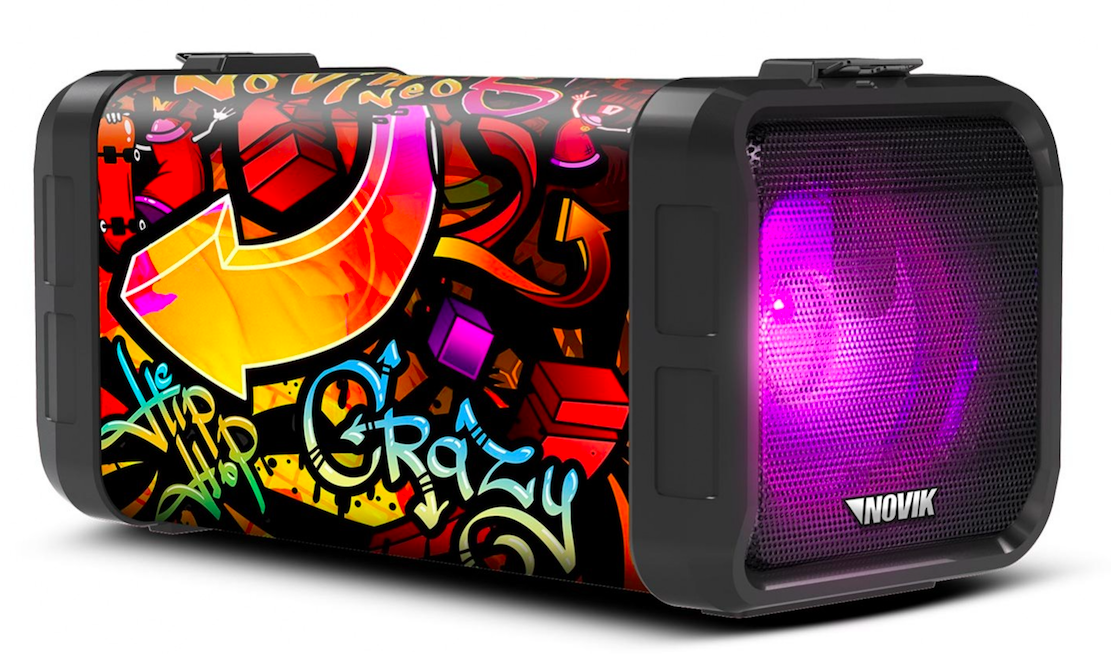
Palacios says the company operates in Brazil with its brands Novik, SKP Pro Audio, and Probass for professional audio equipment and the final consumer.
It is also a distributor of American musical instrument brands Peavey and Fender.
The Argentine group’s annual turnover is US$120 million. The executive does not reveal the revenue in Brazil but believes that, with the consolidation of the Telefunken brand, he can triple sales in the country by 2025.
Palacios has been running Someco in Brazil since 2004. Previously, he had a career at Coca-Cola and the consultancy Nielsen, which specializes in market research.
With information from O Estado de S. Paulo
More: Brazil news in English, every day from The Rio Times.
Read More from The Rio Times