Brazil Tried Only 14 of 300 Murders of Environmental Activists in Last Decade
RIO DE JANEIRO, BRAZIL – Even before Jair Bolsonaro became president and took his speech against nature activists to the summit, Brazil was already the most dangerous country in the world for environmentalists (a ranking Colombia overtook in 2018).
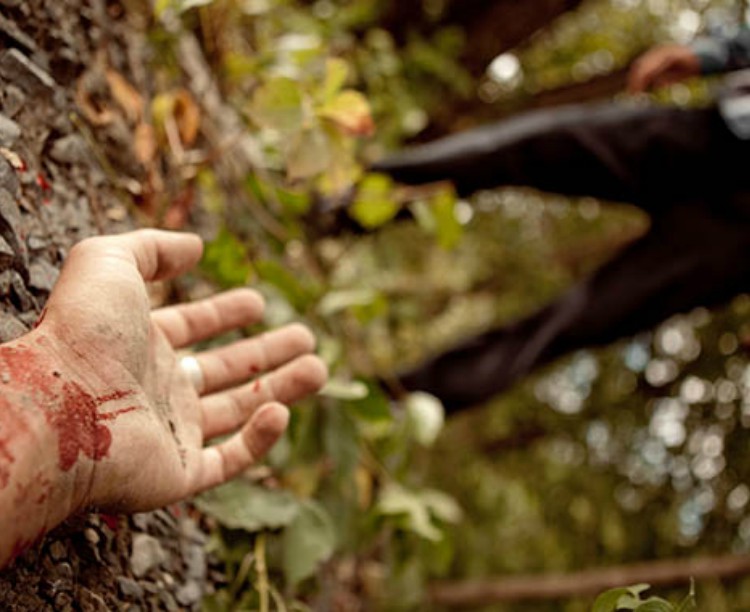
These are crimes that, in the vast majority of cases, have not been solved or even tried. Of the 300 Brazilian Amazon advocates murdered in the past decade, only 14 cases were brought before a court, according to the non-governmental organization Human Rights Watch (HRW) in the report entitled “The Mafias of the Tropical Forest”, released on Tuesday, September 17th.

On September 7th, an employee of the National Indian Foundation (FUNAI) was shot dead while riding a motorcycle in Tabatinga, Amazonas. In March, Dilma Ferreira da Silva, coordinator of the Movement of People Affected by Dams (MAB), was killed in the Tucuruí region of Pará. The Civil Police task force confirmed that Silva, her husband and a friend of the couple were murdered at the behest of landgrabber Fernando Ferreira Rosa Filho, known as “Fernandinho”. The principal was a neighbor of the settlement where the activists lived, and wanted the families out of the area.
The NGO for the defense of human rights emphasizes the work these people do for the preservation of flora and fauna, in addition to alerting the authorities to an area that covers 60 percent of Brazilian territory. This is the case of Olimpio Guajajara, who patrols a territory equivalent to three times that of the municipality of São Paulo with 123 members of his community.
HRW details the criminal organizations’ tremendous degree of impunity, which has the logistical capacity to coordinate the extraction, processing, and sale of timber on a large scale in the world’s largest tropical forest. Illegal logging is often the first step to converting the land to crops or pastures. That is why loggers are the main culprits of illegal land clearing, which, according to preliminary official data, has skyrocketed since Bolsonaro became president in January.
When Brazil signed the Paris Agreement on Climate Change, it also pledged to stop illegal logging, according to HRW. However, deforestation has been increasing since 2012. The NGO accuses the current president of having, through both speech and actions, given the gangs the go-ahead for illegal deforestation. And added that Bolsonaro “places the defenders of the Amazon and the Amazon itself in serious danger, in addition to undermining Brazil’s ability to fulfill its commitment to reduce greenhouse gas emissions and contribute to mitigating global warming”.
As HRW recalled, the president undermined the enforcement of environmental laws (inspections and fines crumbled) and undermined federal environmental agencies (Minister Ricardo Salles fired 21 of IBAMA’ s 27 regional directors in a single day).
Impunity, in any case, is a long-standing issue. Of the 28 murders, four attempted murders and 40 threats attributed to illegal loggers since 2015 and analyzed in detail by HRW, only two of the murderers were brought to justice. While conceding that investigations are often complex because these are crimes that occur in very remote places, the report also notes that local police often demonstrate a remarkable lack of interest in pursuing suspects. “By failing to investigate death threats, authorities are renouncing their duty to seek to prevent violence from criminal groups involved in illegal logging, increasing the likelihood that the threats will be materialized”.
The NGO demanded that the Ministry of Justice, together with the Public Prosecutor’s Office, the police and environmental agencies, draw up an action plan to contain violence and intimidation against activists and to dismantle these criminal networks. It also calls on the Office of the Prosecutor General to make this issue a priority.
Source: El País
More: Brazil news in English, every day from The Rio Times.
Editorial responsibility: Matthias Camenzind, Editor-in-Chief · Editorial standards · Report an error