Campinas is “Smartest” and Most Connected City in Brazil, per Unofficial Ranking
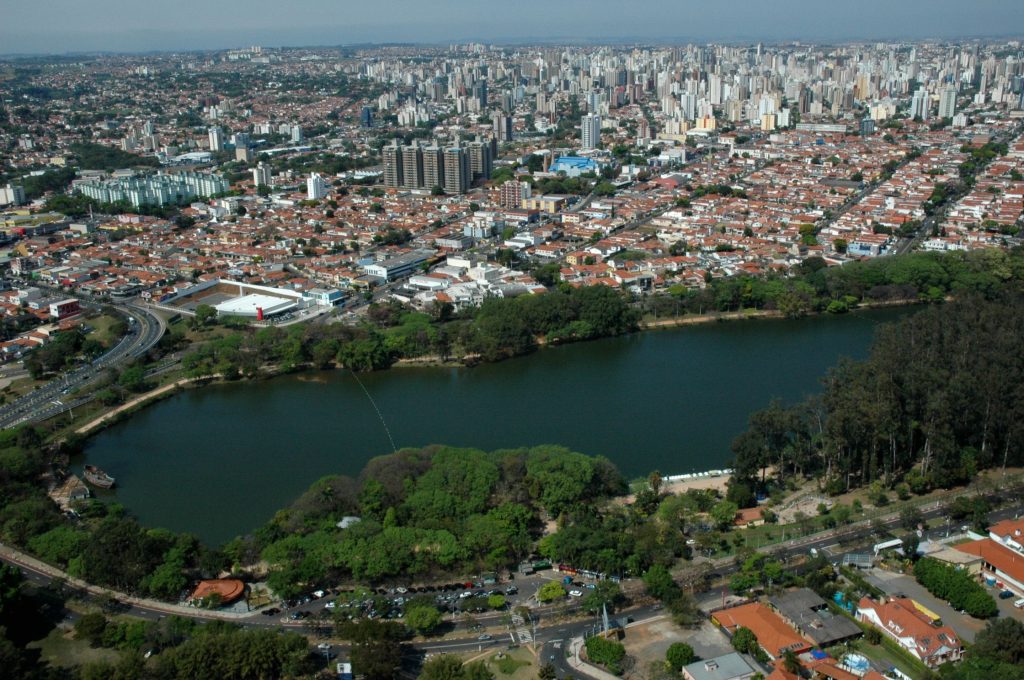
RIO DE JANEIRO, BRAZIL – Campinas, the largest city in the interior of São Paulo, is rated the smartest and most connected city in Brazil in 2019, according to the fifth edition of the Connected Smart Cities Ranking, released on Tuesday, September 17th.
The ranking is prepared by Urban Systems consultancy in partnership with the events organization company Sator. This is the first time that this study, published by EXAME magazine, elects a non-capital city as highest in development. In 2015, Rio de Janeiro took the lead, followed in the next two years by São Paulo and, in 2018, by Curitiba.
In this year’s edition, Campinas stood out in the areas of economy, technology and innovation (1st place), entrepreneurship (2nd), governance (3rd) and mobility (4th).
According to the survey, Campinas is a university pole reference, with UNICAMP and the Pontifícia Universidade Católica (PUC), technological pole, innovation pole and an industrial region with powerful logistics and distribution appeal.
In the city, almost a quarter of all formal jobs are occupied by professionals with higher education, 5.2 percent of formal jobs are in the IT sector and 94.5 percent of jobs in the city are in the private sector.
In terms of mobility, the Viracopos airport was notable not only for its passenger traffic but also for its logistical potential, says the Connected Smart Cities Ranking report.
In order to make up the final index, the study takes into consideration 70 indicators, which are related to mobility, urbanism, environment, technology and innovation, economy, education, health, safety, entrepreneurship, governance, and energy.

In this year’s edition, the ranking incorporated six new indicators based on the ISO 37120 Technical Standard: use of vehicles with low pollutant emissions; two criteria related to the workforce – percentage of workforce in technology and communication sectors and percentage of workforce in education and research sectors; number of computers and laptops in public schools; percentage of plastic waste collected; and percentage of population living in low and middle density regions.
There are weight scores of one for 69 variables and 0.5 for the educational system. Thus, the maximum score this year is 69.5. Campinas, the first ranked city, recorded 38,977 points.
Subsequently, São Paulo, Curitiba, Brasília, and São Caetano appear in this order. Of this year’s 100 most intelligent and connected cities, 67 are in the southeast – 47 in the state of São Paulo alone.
For the final ranking, a mapping is performed in all Brazilian cities with over 50 thousand inhabitants (666 municipalities). Cities between 50,000 to 100,000 inhabitants, between 100,000 to 500,000 and above 500,000 are surveyed.
Paula Faria, the creator of Connected Smart Cities and Mobility, states that the ranking’s purpose “is not to create competition among cities, but to enable good initiatives to be shared”.
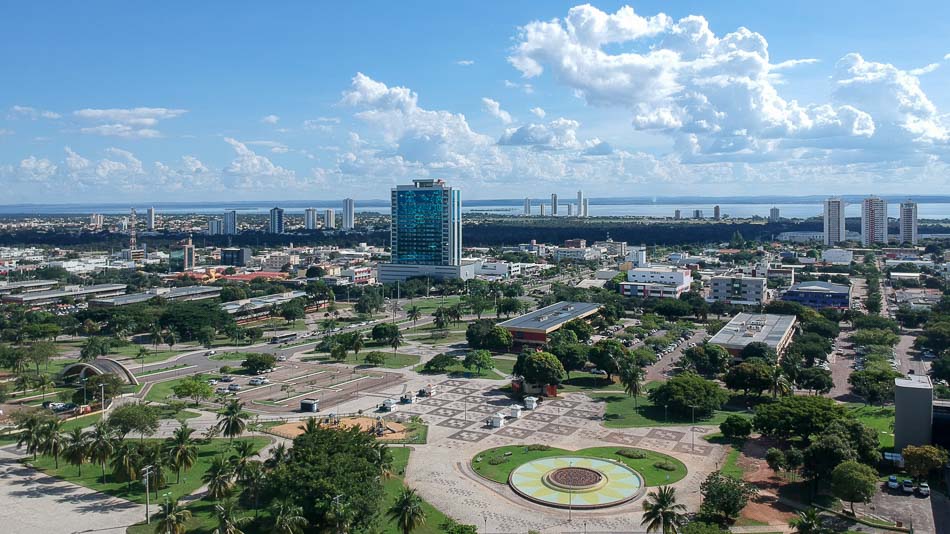
Palmas is a standout in the North region
Among the top 20 cities in the ranking, none are from the Northeast region. Recife, capital of Pernambuco, is the first city in this region in the list, ranked 23rd. In the North region, the smartest and most connected city is Palmas, capital of Tocantins, ranked 19th.
According to Willian Rigon, marketing director of Urban Systems, cities in these regions still have much to solve in basic issues, such as access to water, sewage collection and treatment, infant mortality, and education. “There’s no point in placing Wi-Fi on the post and having Internet on your cell phone but not solving sewage collection,” he says.
Moreover, he says it is possible to see an improvement in safety indicators when there is a larger police force and also a better distribution of income. “Cities with fewer education problems – reducing school dropouts, for instance – tend to have improved safety. For the city to be smart, it has to seek balance in all areas,” he concludes.
Source: Exame
More: Brazil news in English, every day from The Rio Times.
This article was produced by The Rio Times’ automated newsroom system. How we use AI · Report an error · Editorial responsibility: Matthias Camenzind, Editor-in-Chief
LatAm Markets: Live Signals → — real-time movers, turnover leaders and FX across Latin America.