Brazil’s Record 62.9M Jobs Meets Budget Gap and Bet Ban
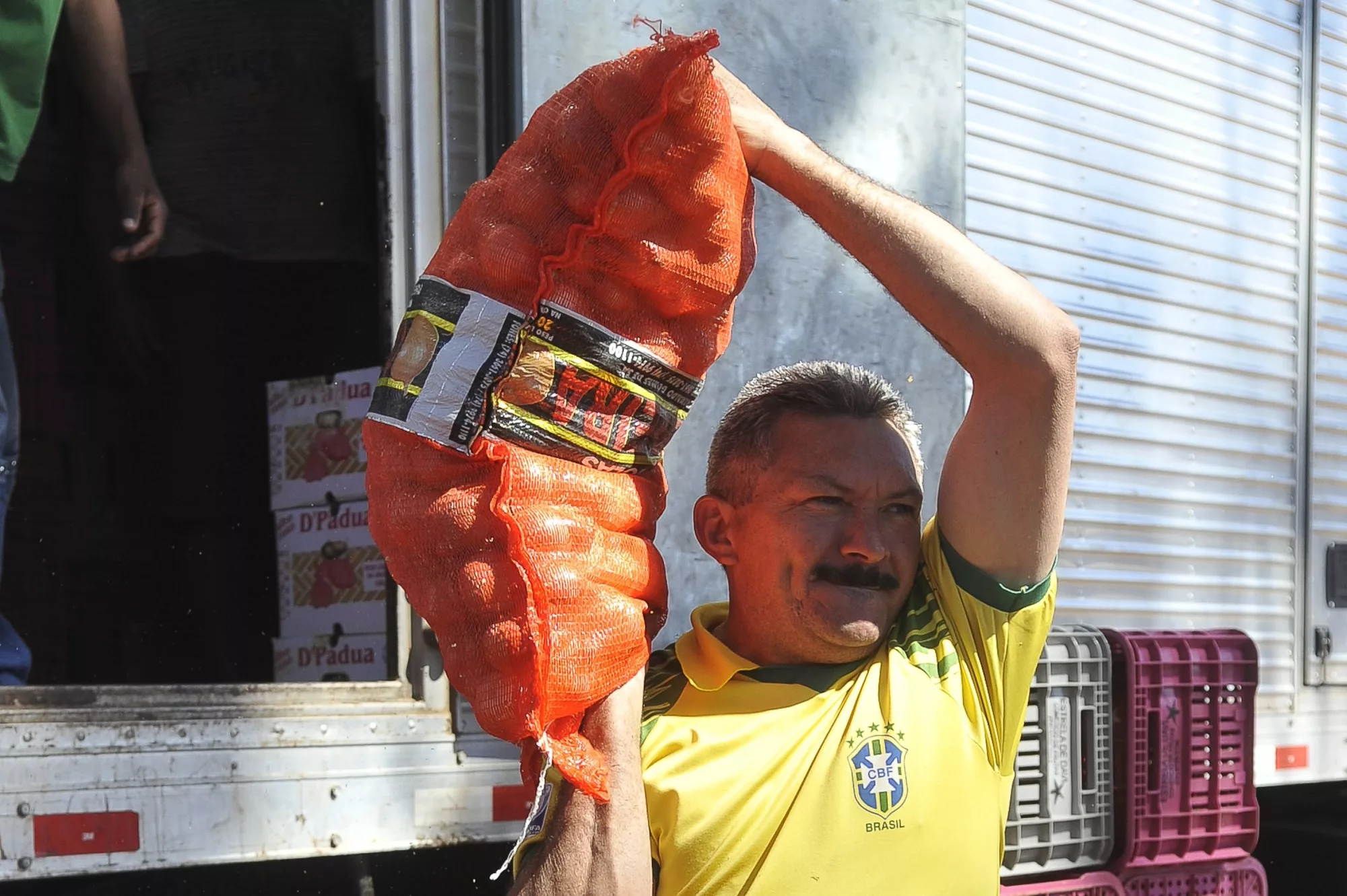
A record number of Brazilians are in steady, on-the-books work — even as the government struggles to pay its bills, cracks down on betting apps, and watches foreign cash head for the exit.
Here is a puzzle worth sitting with. Brazil formal jobs have never been more plentiful — almost 62.9 million people now hold registered, protected positions — and yet the mood among investors and budget planners is anything but celebratory. On the same August week, the government admitted it is short of money, regulators shut down one of the country’s biggest betting apps, and a well-known research firm told clients to sell Brazilian shares. Good news and bad news, arriving together.
Key Facts
- Brazil now has about 62.9 million formal jobs (June 2026), up 10.1 million — roughly 19.1% — since January 2023, according to the Labour Ministry’s RAIS records.
- A Senate budget team flags a R$105.5 billion (about US$20.4 billion) gap between what the government owes on 2026 spending and the cash it actually has, with Health and Education hit hardest.
- On 13 August 2026 the Finance Ministry suspended betting giant Pixbet’s licence, ordered live bets cancelled and money returned, and set a R$200,000 (about US$38,800) daily fine.
- Separately, about 5 million people are now blocked from betting altogether — through self-exclusion and automatic blocks on welfare recipients.
- JPMorgan cut Brazil to “neutral” and Bank of America did the same, and the Ibovespa fell about 2.5% to 167,875 points.
- Foreign investors have been pulling money out ahead of October’s presidential election.
Why Brazil formal jobs are booming
First, the bright spot. A “formal” job simply means work that is registered with the government — the kind that comes with a signed card, pension contributions, paid holidays, and legal protection. It is the opposite of cash-in-hand, off-the-books work. The Labour Ministry’s records show Brazil added about 10.1 million of these jobs between January 2023 and June 2026, lifting the total from 52.8 million to 62.9 million. That is a jump of roughly 19.1% in three and a half years.
Women accounted for more than half of the gain, and poorer regions like the Centre-West and Northeast grew fastest in percentage terms. Economists have started using a phrase that once sounded impossible for Brazil: near “full employment”. Wages are rising and informality is falling. For ordinary households, that is real, tangible progress you can feel in a monthly pay slip.
Live Company IntelligenceGrupo Aeroportuario del Pacífico S.A.B. de C.V — the full investor dossier
Valuation & profitability
Price & risk
$338.3552-wk high
$512.65
Revenue trend · 6y
Ownership
Dividend
The bill the government cannot fully pay
Now the shadow. A team of budget specialists in the Senate warned on 11 August that the government is short about R$105.5 billion (roughly US$20.4 billion) of the cash it needs to cover this year’s discretionary spending — the day-to-day costs that are not fixed by law. In plain terms, a “budget gap” is the hole between what you have promised to spend and the money in the drawer.
The squeeze lands on services people notice. Health faces a R$15.1 billion (about US$2.9 billion) restriction that could hit specialist clinics and medicine supplies; Education faces R$13.8 billion (about US$2.7 billion) less, touching textbooks and federal universities. So Brazil has more workers than ever paying into the system, yet the treasury is still stretched thin — partly because so much spending is locked in by law and partly because old bills have piled up.
A betting crackdown, in two parts
The week’s third thread is Brazil’s fast-growing online betting industry, which the government has decided to tame. On 13 August the Finance Ministry suspended the licence of Pixbet — a household name that sponsors football clubs — along with two smaller sites. Authorities said the company failed to hand over required monitoring data. Live bets were ordered cancelled and stakes refunded, with a R$200,000 (about US$38,800) daily fine for non-compliance. The move is tied to a police operation into suspected tax evasion and money laundering.
A word of care here, because the numbers are easy to muddle. The much-quoted figure of 5 million blocked accounts is not about Pixbet alone. It refers to a separate, wider effort: roughly 5 million people are now barred from betting anywhere in Brazil — about 1.2 million who asked to be excluded themselves, plus around 3 million welfare recipients whose access is blocked automatically. Officials say they want to treat betting “like cigarettes”: legal and taxed, but hedged with strong protections.
Why foreign money is turning cautious
Finally, the markets. Even with the jobs boom, big investors are nervous about October’s presidential election and Brazil’s stretched finances. This week JPMorgan cut its call on Brazilian shares from “overweight” to “neutral,” and Bank of America moved to neutral too, telling clients to hold back for now. They pointed to election-year uncertainty and stretched public finances, and the moves helped push the Ibovespa stock index down 2.5% to 167,875 points, its worst day since March. Foreign funds have been steadily withdrawing cash.
That is the paradox in one frame: a labour market at record strength, a government short of money, a regulator flexing its muscles, and overseas investors edging toward the door — all at once.
Why this matters if you live in or invest in Latin America
If your life or money is tied to Brazil, these four threads are really one story about risk and resilience. A strong jobs market supports consumer spending, rents, and the small businesses many expats run, and it cushions the economy against shocks. But the budget gap and the cautious foreign money are a reminder that political uncertainty before an election can move the currency and the stock market quickly — which affects everything from your import costs to your portfolio. And the betting clampdown shows a government willing to act fast and hard on consumer-facing industries, a signal worth watching whatever sector you are in.
More: Brazil news in English, every day from The Rio Times.
Sources: Brazil Labour Ministry (RAIS) via Diario de Pernambuco; Senate Budget Consultancy via Poder360 and Times Brasil/CNBC; Ministry of Finance/SPA via Jornal da Paraíba and Tribuna Online; Valor Econômico (JPMorgan and BofA downgrades); Valor International and The Rio Times.
Frequently Asked Questions
How many formal jobs does Brazil have now?
About 62.9 million as of June 2026, according to the Labour Ministry’s RAIS records — up 10.1 million, or roughly 19.1%, since January 2023.
What is the R$105.5 billion budget gap?
It is the shortfall a Senate budget team identified between the government’s 2026 discretionary spending obligations and the cash actually available — about R$105.5 billion (US$20.4 billion), with Health and Education hardest hit.
Was Pixbet really shut down?
Its licence was suspended on 13 August 2026 by the Finance Ministry, which ordered live bets cancelled and refunded amid a tax-evasion and money-laundering probe. Pixbet has previously won court reprieves in similar cases.
Did Brazil block 5 million betting accounts?
Roughly 5 million people are now blocked from betting nationwide — mainly through self-exclusion and automatic blocks on welfare recipients. That figure is separate from the Pixbet suspension, not caused by it.
This article was drafted with automated assistance and reviewed before publication. How we use AI · Report an error · Editorial responsibility: Matthias Camenzind, Editor-in-Chief