In Brazil Electric Buses, a Home-Grown Maker Still Beats BYD
Brazil · Business
Key Facts
—Region. China’s BYD is the single largest supplier of electric buses across Latin America, where Chinese brands account for roughly 80% of the fleet.
—Brazil twist. A 100%-Brazilian maker, Eletra (sold through Induscar/Caio), still leads the year-to-date count and the full historical record at home.
—One month. BYD won the single month of May 2026 with 59 of 132 buses registered, a 44.7% share, its best monthly showing of the year.
—Market size. Brazil registered 311 electric buses from January to May 2026, up 12.3% on the same months of 2025.
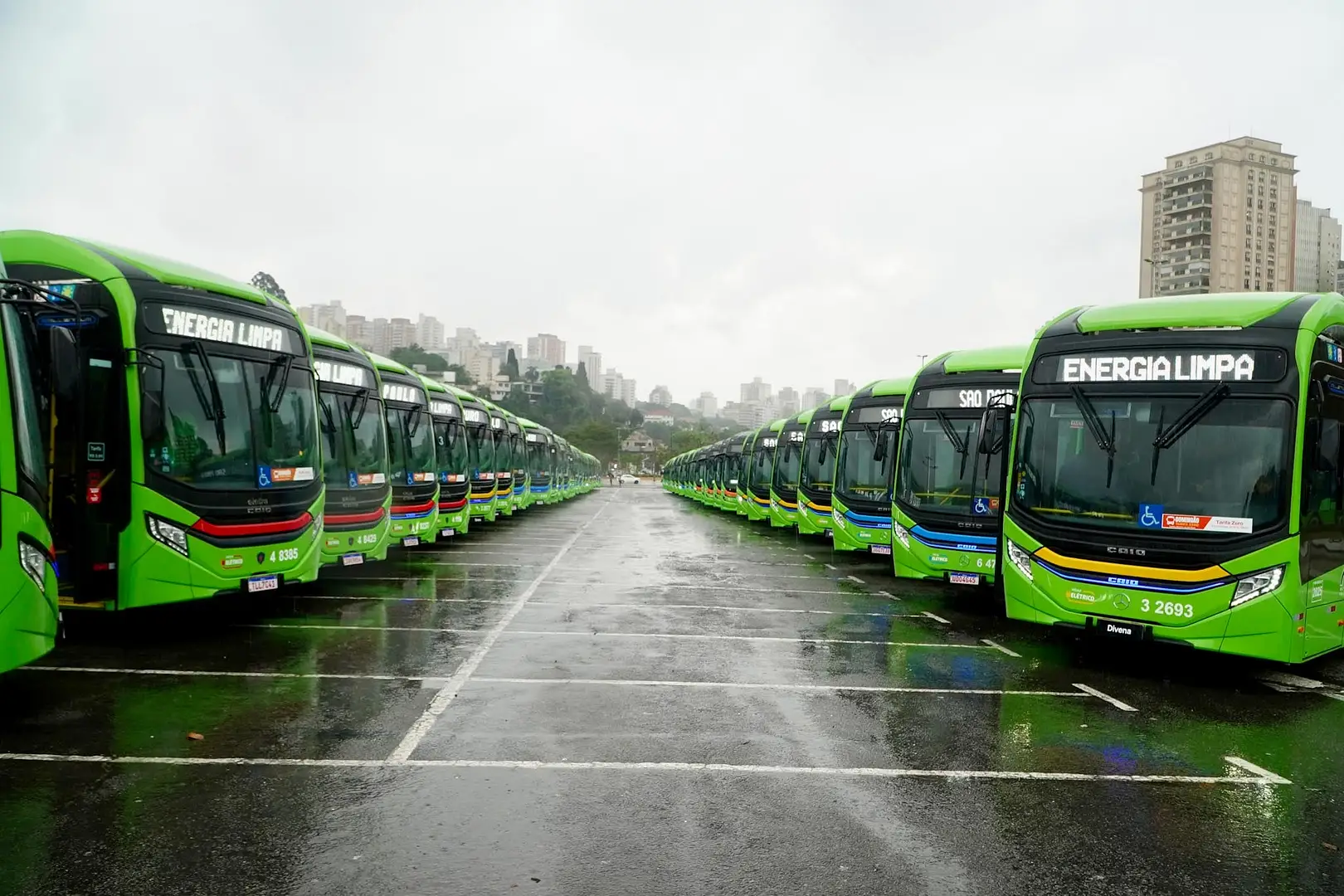
—Where it happens. São Paulo holds about 80% of Brazil’s electric-bus fleet, roughly 1,300 vehicles on its streets.
—Source. The figures come from Fenabrave, Brazil’s national vehicle-dealer federation, reported by the transit outlet Diário do Transporte.
The story everyone tells about electric buses in Latin America is simple: China’s BYD wins. In Brazil, the bigger market for clean public transport, the picture is more interesting, because a home-grown maker is still ahead.
Across Latin America, one name dominates the shift to battery-powered public transport. The Chinese carmaker BYD is the single largest supplier of electric buses in the region, and Chinese brands together account for roughly eight in ten of the buses now running.
That headline is true, and it is the version most foreign readers have absorbed. But the most important national market tells a more surprising story, one worth understanding before assuming China has swept the field.
The Brazilian exception in electric buses
Brazil is where the regional contest is sharpest, and here the leader is not Chinese at all. A company called Eletra, whose buses reach the market through the long-established Brazilian bodybuilders Induscar and Caio, still holds the lead for the year so far and across the entire historical record.
Eletra is fully Brazilian-owned, a detail that matters in a region where almost every clean-transport headline now carries a Chinese name. Its lead means that in the country adding the most electric buses, the home team is in front.
This does not contradict BYD’s regional crown. The Chinese firm genuinely leads across Latin America as a whole, supplying buses to flagship projects in countries such as Chile and Colombia.
The nuance is that Brazil, the largest single prize, has not followed the same script. A domestic maker built up an early lead at home and has kept it, even as Chinese competition arrived in force.
What the May numbers actually show
The fresh data, from Brazil’s national vehicle-dealer federation Fenabrave, did give BYD a real win. In May, the country registered 132 electric buses, the strongest single month of the year, and BYD accounted for 59 of them.
That was a market share of close to forty-five percent, BYD’s best monthly result of 2026. It is the figure that produced a wave of headlines declaring the Chinese maker the new leader.
A single month, however, is a thin basis for a leadership claim. Stretch the lens to the first five months of the year and BYD slips to second place, behind the Brazilian incumbent.
In other words, BYD won the month while losing the year. For a reader trying to gauge who really leads, the cumulative count is the more honest measure.
A small but fast-growing market
The volumes here are still modest by global standards. Brazil registered 311 electric buses between January and May, a rise of a little over twelve percent on the same stretch of 2025.
Almost all of that activity is concentrated in one place. São Paulo, the country’s largest city, holds about eighty percent of the national electric-bus fleet, roughly 1,300 vehicles humming along its avenues.
That concentration makes the city the proving ground for the whole country. As São Paulo renews its fleet, other municipalities watch to judge the running costs, the noise reduction and the cleaner air for themselves.
The bottleneck now is less the technology than the plumbing around it. Depots need charging stations, electrical grids need upgrading, and route planning has to keep buses running without disrupting daily service.
Why the contest matters beyond Brazil
For executives and investors tracking Latin America, the lesson is about reading market-share claims with care. A dramatic monthly figure can mask the longer trend, and the longer trend is what shapes contracts and capital decisions.
It also shows that Chinese dominance, real as it is regionally, is not uniform. A capable domestic player with local manufacturing and entrenched fleet relationships can hold its ground in its home market.
The competition is likely to intensify rather than settle. With BYD pressing hard and a Brazilian incumbent defending a historical lead, the next phase will test scale, infrastructure and the speed at which cities can act.
The simple takeaway is to resist the simple story. China leads the region, yet in Brazil the home-grown maker is still the one to beat for now.
More: Brazil news in English, every day from The Rio Times.
Frequently Asked Questions
Does China’s BYD lead the electric buses market in Brazil?
Not for the year as a whole. BYD led the single month of May 2026, but a fully Brazilian maker, Eletra, still leads the year-to-date count and the full historical record at home.
Who is the Brazilian company beating BYD?
It is Eletra, a fully Brazilian-owned manufacturer whose buses reach the market through the local bodybuilders Induscar and Caio. It has held its lead even as Chinese competition arrived in force.
How big is Brazil’s electric-bus market right now?
It is small but growing fast. Brazil registered 311 electric buses from January to May 2026, up a little over twelve percent on a year earlier, with São Paulo holding about eighty percent of the national fleet.
Connected Coverage
Latin America’s Auto Market in 2026: Record Sales and Chinese Dominance
Electric Bus Revolution: Marcopolo’s Gambit in Latin America
This article was produced by The Rio Times’ automated newsroom system. How we use AI · Report an error · Editorial responsibility: Matthias Camenzind, Editor-in-Chief