Brazil Turns Its Domestic Workers Into Heroines of Art and Memory
Brazil · Culture
Key Facts
—The moment. An exhibition, a film and a book are putting Brazil’s domestic workers center stage.
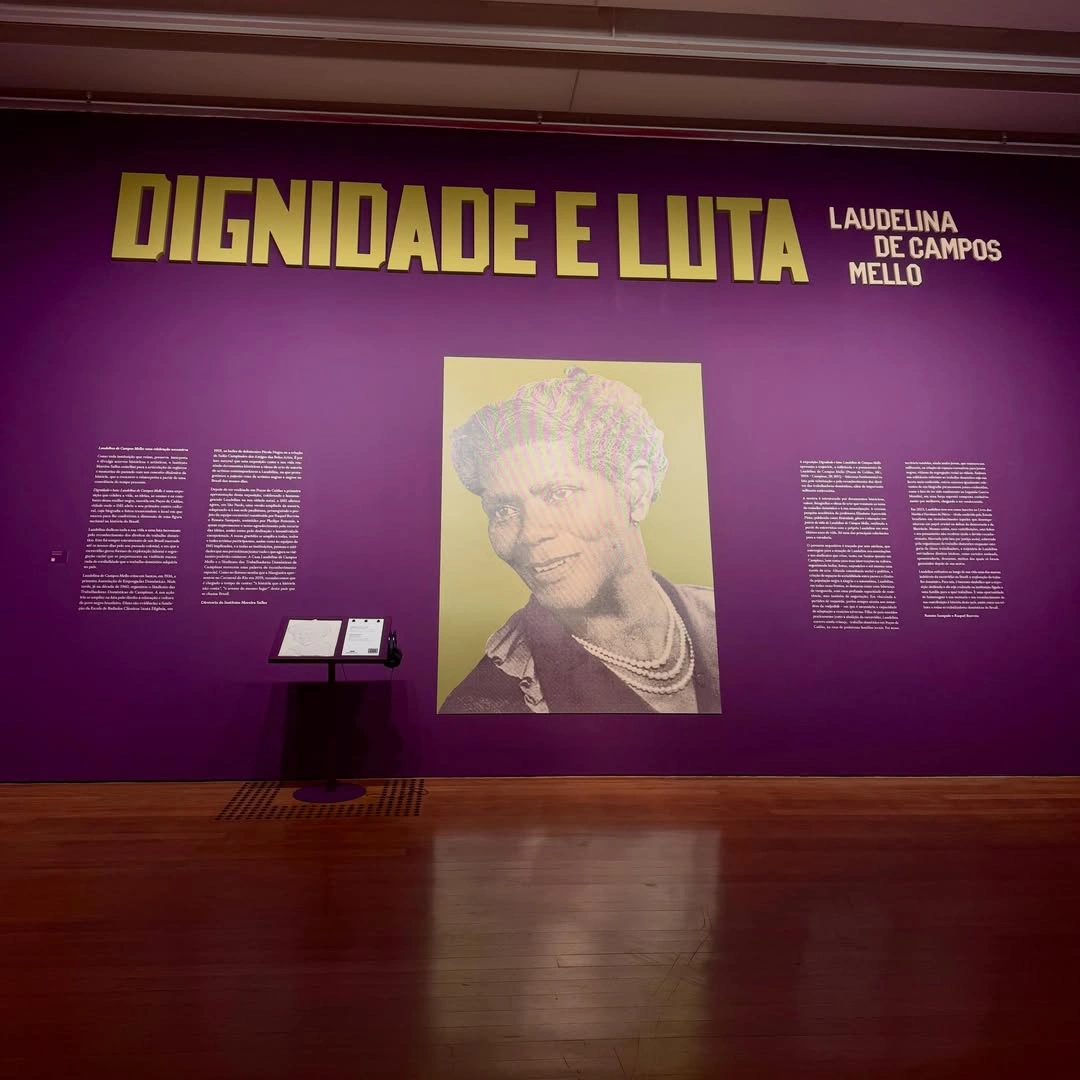
—The show. The São Paulo exhibition honors the pioneering labor organizer Laudelina de Campos Mello.
—The scale. Brazil has roughly six million domestic workers, the vast majority women.
—The faces. About two thirds are Black, and many earn less than the minimum wage.
—The film. The documentary won top honors at the 2025 Brasília film festival.
—The history. The work traces its roots directly to the era of slavery.
A wave of art is recasting Brazil’s domestic workers, long invisible in the homes they keep, as central figures in the nation’s history and culture.
In millions of Brazilian homes, someone cooks, cleans and cares for children, often barely noticed. Now that someone is being placed at the very center of the story.
A cluster of new works is doing the placing. An exhibition in São Paulo, an award-winning documentary and a freshly published book have all turned their gaze on Brazil’s domestic workers.
For a reader abroad, the scale of this workforce is striking. Brazil has around six million domestic workers, the largest single category of labor in the country.
It is also among the most unequal. The overwhelming majority are women, about two thirds are Black, and a large share earn less than the minimum wage.
The woman at the heart of the exhibition
The São Paulo show centers on a single remarkable life. Its subject is Laudelina de Campos Mello, a Black woman who began working in other people’s homes as a child.
She became a pioneer of organized labor. From the 1930s she founded associations to defend domestic workers, decades before Brazil granted them full legal rights.
Her activism reached well beyond the workplace. She campaigned for the education and culture of Black Brazilians, founding dance schools and social clubs that doubled as spaces of pride.
The free exhibition runs through late November at a major São Paulo cultural institute. It is arranged in several sections, from the work’s brutal origins to its hard-won spaces of dignity.
Art made by the workers themselves
One of the show’s quiet revelations is who made some of the art. It includes paintings by women who were themselves domestic workers, not merely depictions of them.
That distinction carries real weight. It shifts the women from passive subjects, painted by others, into creators with their own vision and voice.
Some of those artists are now celebrated names. The show features painters such as Maria Auxiliadora and Madalena dos Santos Reinbolt, self-taught women whose work has since entered serious collections.
Their inclusion reframes the whole subject. It insists that the domestic sphere produced not only labor but lasting art, made by hands that also cooked and cleaned.
A documentary extends the same idea on screen. Built around the testimonies of domestic workers, it won the top prizes at a major Brazilian film festival in 2025.
A new book completes the trio. It examines how these workers have appeared, or more often failed to appear, across the long history of Brazilian literature.
A history of domestic workers rooted in slavery
To understand the subject, you have to look back centuries. Domestic work in Brazil descends directly from slavery, which the country abolished only in 1888.
That legacy still shapes the present. Campaigners argue the low pay and low status of the work flow from a past that was never fully reckoned with.
Legal change came strikingly late. It was only in 2013 that Brazil extended to domestic workers the same labor rights other workers had long enjoyed.
For a foreign reader, that timeline is part of the point. The art arriving now is not only celebration but a reckoning with how recently this changed.
The timing is no accident either. A growing movement of Black Brazilian artists and curators has been pushing these long-sidelined stories toward the cultural mainstream.
The result is a quietly radical shift. Women once expected to remain unseen are now the subject, and sometimes the author, of work hanging on prominent gallery walls.
It is a change that reaches beyond the gallery. By honoring this history in public, Brazil is also asking harder questions about the homes and habits of its present.
More: Brazil news in English, every day from The Rio Times.
Frequently Asked Questions
Who was Laudelina de Campos Mello?
She was a Black Brazilian organizer who, from the 1930s, founded some of the first associations defending domestic workers. Her activism long predated the full legal rights granted to the category in 2013.
How many domestic workers does Brazil have?
Brazil has roughly six million domestic workers, the largest single category of labor in the country. The overwhelming majority are women, about two thirds are Black, and many earn less than the minimum wage.
Where can the exhibition be seen?
The free exhibition is on show at a major cultural institute on São Paulo’s Avenida Paulista, running through late November 2026. It pairs historical material with art, some of it made by domestic workers themselves.
Connected Coverage
This article was produced by The Rio Times’ automated newsroom system. How we use AI · Report an error · Editorial responsibility: Matthias Camenzind, Editor-in-Chief