Florianópolis Wins UN Zero-Waste Praise, Treats 13% of Its Food Waste

Environment
Key Facts
—The list. UN-Habitat named 20 inaugural “Cities Towards Zero Waste” on 27 March.
—The company. Florianópolis is the only Latin American entry, joined in the Americas by San Francisco.
—The progress. Food-waste composting rose from 1,175 tonnes in 2020 to 5,126 tonnes in 2024.
—The gap. In 2024 the city processed only about 13% of its food waste and 11% of its dry recycling.
—The law. A 2019 municipal statute targets 90% of organics and 60% of dry waste by 2030.
—The livelihood. Around 200 families live from sorting recyclables across 322 drop-off points.
In March the United Nations put a Brazilian island city on a list of twenty global leaders, and Brazilian headlines announced that Florianópolis had become a zero-waste city. The Florianópolis zero waste programme is genuinely remarkable, and that is not what the United Nations said.
The initiative is called Cities Towards Zero Waste. The preposition is doing a great deal of work, and the city’s own figures show why.
What the Florianópolis zero waste record actually shows
Start with the achievement, because it is real. Florianópolis launched Brazil’s first zero-waste programme in 1986, sorting into three fractions when almost nobody in the country was talking about it.
Selective collection went citywide in 1991, and the island now has three hundred and twenty-two voluntary drop-off points. It has the highest recycling rate of any Brazilian state capital, and roughly two hundred families make their living sorting the material.
Composting of food waste has more than quadrupled, from one thousand one hundred and seventy-five tonnes in 2020 to five thousand one hundred and twenty-six in 2024. Glass recovery climbed steadily too, from about three and a half thousand tonnes to nearly five thousand across the same period.
The UN advisory board’s deputy chair praised the twenty cities for turning ambition into action rather than producing roadmaps. He added that zero waste is “not a distant vision or a communications exercise”.
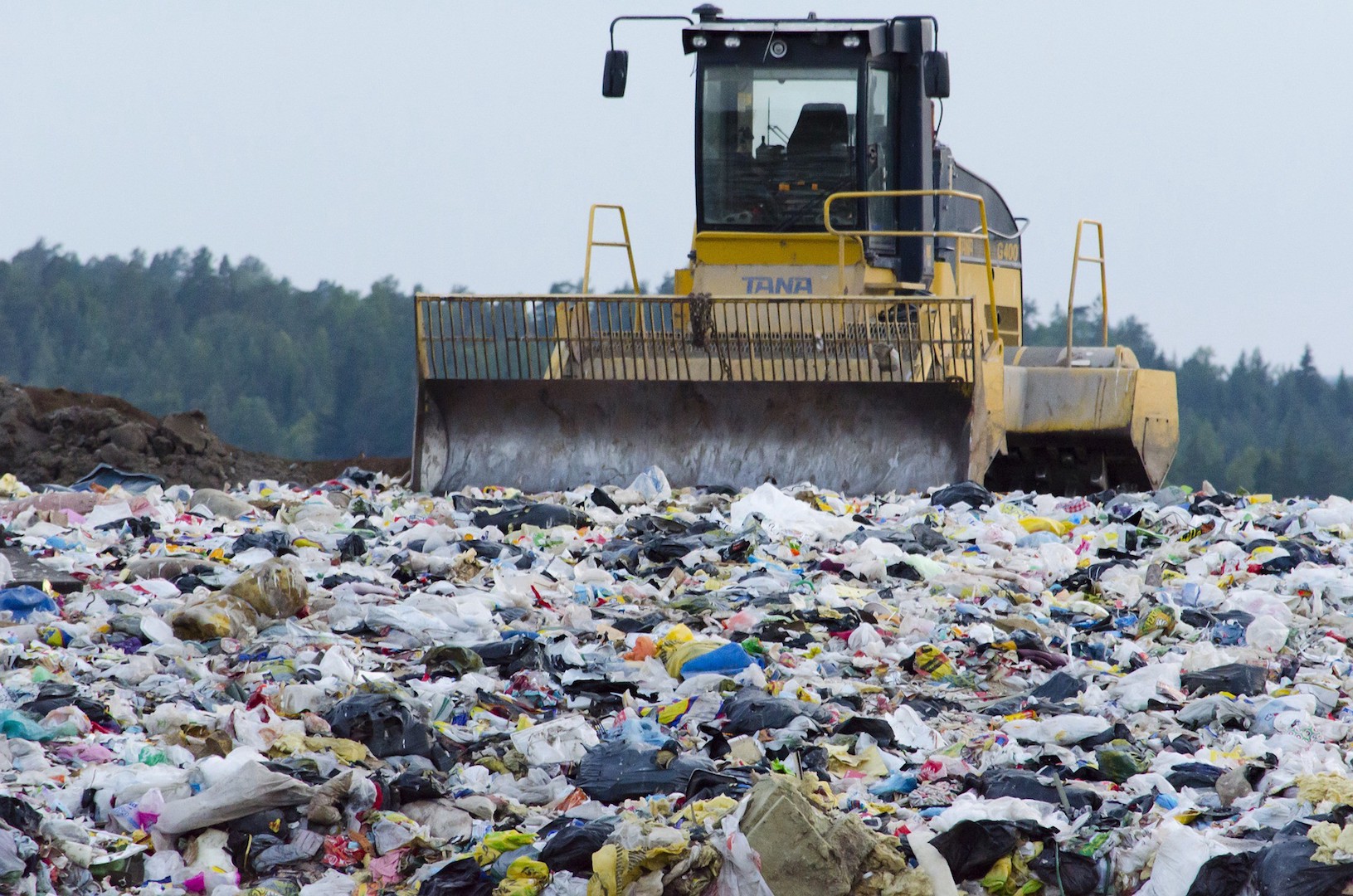
The arithmetic the headlines skipped
Now the other side of the ledger. A municipal law passed in 2019 commits the city to treating ninety percent of its organic waste and recycling sixty percent of its dry waste by 2030.
In 2024 it processed about thirteen percent of its food waste and eleven percent of its dry recycling. Those are the numbers the city itself works with.
Do the sum nobody has published. Organic treatment must rise almost sevenfold and dry recycling more than fivefold, in six years.
That implies compound annual growth of roughly thirty-eight percent for organics and thirty-three percent for dry material. Composting tonnage has lately been growing at around thirty percent a year, and glass recovery at about fifteen.
The city still leans on landfill, and recyclable material still leaves the island contaminated and therefore worthless. Neither fact is disputed by the people running the programme.
Even sustaining today’s pace, the city falls short. And tonnage growth flatters the share, because the denominator keeps rising with the island’s population and its summer visitors.
The honest part is that the numbers are honest
Something worth noting, since scepticism cuts both ways. Take the home composting scheme, which has handed out more than two thousand eight hundred kits, each requiring mandatory training.
The city says each household diverts about thirty-two kilograms of organic waste a month, adding up to roughly eleven hundred tonnes a year and a saving near a million reais, about a hundred and eighty-four thousand dollars. Multiply the kits by the kilos by twelve months and the figure comes out at just over a thousand tonnes.
The claim checks out. This is not a city inflating its results, it is a city that set itself a target far beyond its current trajectory and publishes the distance.
What it means if you live there
Florianópolis is one of Brazil’s busiest destinations for remote workers, and the rules are not decorative. Separation into four streams, namely organics, glass, dry recyclables and rejects, is legally required of public and private entities under the 2019 statute.
Every municipal school has a waste plan and thirty-two of them compost on site. A rubbish museum has been running since 2003 and holds more than forty thousand objects.
The next test is a beach. Matadeiro, on the wild southern coast, is being made the first zero-waste beach in the city, with the old communal bin at the trailhead rebuilt as a sorting centre.
Bins there will separate metals, plastics, glass and rejects, and the pilot is meant to spread to other stretches of coast in coming summers. Officials chose Matadeiro precisely because a single trailhead concentrates everything residents, traders and visitors throw away.
Restaurants there will compost their kitchen scraps on site, in water tanks, and sell returnable cups instead of disposables. Today that waste travels unsorted to the next village, which tells you how much of the island still runs on the old logic.
More: Brazil news in English, every day from The Rio Times.
Frequently Asked Questions
Is Florianópolis zero waste already?
No. The United Nations named it among twenty cities moving towards zero waste, which is a recognition of direction rather than arrival.
How far is the city from its targets?
It treats roughly thirteen percent of organic waste against a ninety percent goal for 2030, and eleven percent of dry recyclables against sixty.
Do residents have to separate waste?
Yes. A 2019 municipal law makes the treatment of organic waste obligatory for public and private entities, across four collection streams.
How has food-waste composting changed in recent years?
It has more than quadrupled, rising from 1,175 tonnes in 2020 to 5,126 tonnes in 2024. Even so, most of the city’s food waste still goes to landfill.
When did the Florianópolis zero waste programme begin?
Florianópolis launched Brazil’s first zero-waste programme in 1986. Selective collection went citywide in 1991, and the island now has 322 voluntary drop-off points.
Connected Coverage
Santa Catarina Surpasses São Paulo as Brazil’s Top Magnet for Movers
This article was produced by The Rio Times’ automated newsroom system. How we use AI · Report an error · Editorial responsibility: Matthias Camenzind, Editor-in-Chief
The Florianópolis Guide
What The Rio Times publishes for foreigners in Florianópolis, Brazil.
This month
Living in Florianópolis
- Cost of Living in Florianópolis 2026: Expensive Island, Cheap Rent
- Palhoça, Near Florianópolis, Ranks Among Brazil's Best for Cheaper Rent
- Brazil's $1,500 Digital Nomad Visa Pulls Remote Workers to Rio and Florianópolis
- Living in Florianópolis: The 2026 Expat Guide
Understand Brazil