Brazil Inspected Six in a Hundred of Its Riskiest Dams Last Year
Infrastructure
Key Facts
—The headline. The national water agency classifies 213 dams as critical, spread across nineteen states and the Federal District.
—The inspection rate. Fewer than six percent of dams covered by the safety law received a regular inspection during 2025.
—The reversal. For the first time since the 2019 Brumadinho collapse, the number of dam inspectors fell. There are 333, of whom 161 work on dams full time.
—The unknown. Of 29,761 registered dams, 14,355 have an undefined status because the registering body never supplied the information needed to classify them.
—The sectors. Mining accounts for 55 of the critical structures, but public water supply accounts for 51 and irrigation for 29.
—Last year’s record. Eighteen accidents and twenty-three incidents, with no deaths, but urban evacuations and damage to roads and bridges.
The annual Brazil dam safety report names 213 structures as critical. The number that should worry investors is smaller: fewer than six in every hundred regulated dams were inspected last year.
Brazil has more dams capable of harming people or infrastructure than it has municipalities. That is the water agency’s own comparison, published this week in the report it sends to Congress.
The country counts more than fourteen thousand dams of consequence. Of those, 213 are flagged as priorities for safety management, meaning they have conservation problems or their owners failed to meet the requirements of the national safety law.
What the Brazil dam safety report found
The critical structures sit in nineteen states and the Federal District, concentrated in Ceará, Mato Grosso and São Paulo. Mining leads with fifty-five of them, a quarter of the total.
That statistic deserves care. Fifty-one of the critical dams supply drinking water to the public, and twenty-nine serve irrigation, so three quarters of the problem lies outside the industry that made Brazilian dams famous.
During 2025 the country recorded eighteen accidents, in which dams collapsed, and twenty-three incidents, in which they were compromised and posed a rupture risk. Nobody was killed.
Urban areas were evacuated nonetheless, and roads and bridges were damaged. One dam in every five nationally carries a medium or high potential for damage.
The line the agency wrote about itself
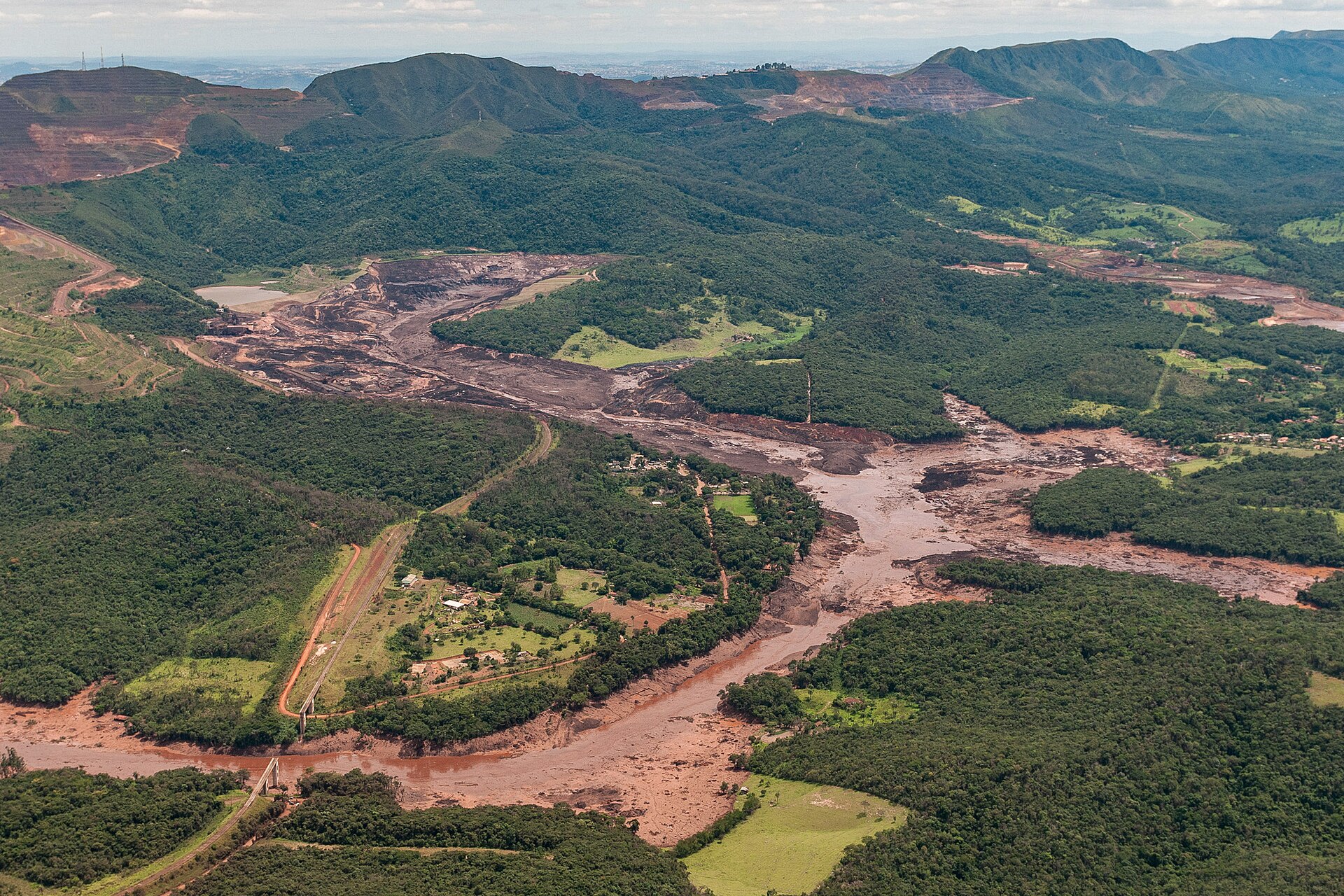
The most uncomfortable passage is not about dams at all. For the first time since the Brumadinho disaster of 2019, which killed about 270 people, the number of professionals working on dam inspection has fallen.
Thirty-three regulatory bodies share 333 staff. Fewer than half of them, 161, work exclusively on dam safety; the rest split their time with other duties.
The report identifies a shortfall of 332 dedicated professionals. Filling it would roughly double the workforce currently responsible for every dam in the country.
Put another way, one full-time inspector covers about 185 registered dams. The report is sent each year to the national water resources council and to Congress.
Field inspections did rise slightly, from 2,859 to 2,924, and documentary checks jumped by almost half. The agency credits the effort of the staff who remain.
The compliance gap behind the Brazil dam safety report
Some 6,609 dams fall under the national safety law because they are large, hold hazardous waste, stand more than fifteen metres tall, or threaten serious damage if they fail.
Among these, only a quarter have a safety plan. Fewer than a quarter have an emergency action plan, and just eleven percent have completed the periodic safety review the law requires.
Nationally, barely half of registered dams have been classified for the damage they could cause, and half for their risk category. Information is missing for 345 structures outright.
Almost half of everything in the register, 14,355 dams, has an undefined status. The agency that entered them never described what they are.
Registration itself is growing, from 28,085 structures in 2024 to 29,761 last year. Counting a dam, however, is not the same as knowing whether it will hold.
Why this matters to a foreign investor
Brazil rewrote its dam law after Brumadinho and again after Mariana, where a Vale and BHP joint venture killed nineteen people in 2015. The rules are now demanding, but the capacity to enforce them is not.
For anyone holding Brazilian mining equity, that asymmetry is the risk. A regulator with 161 full-time inspectors cannot independently verify what companies tell it, which means the market is pricing self-reported safety.
The report is not alarmist. It notes that most dams meeting prevention and oversight requirements are not considered critical, and that registration is improving year on year.
What it says plainly is that the country is not building the strong inspection and enforcement system its own policy requires. Brazil knows where 213 of its dangerous dams are, and does not know what nearly half of the rest even is.
Are these mostly mining dams?
No, and this is widely misunderstood. Mining accounts for fifty-five of the 213 critical structures, or twenty-six percent, while public water supply accounts for fifty-one and irrigation for twenty-nine, with the remainder covering flow regulation, landscaping, livestock watering and other uses.
How many dams actually get inspected?
Fewer than six percent of the dams covered by the national safety policy received a regular inspection during 2025, roughly 380 structures out of 6,609. The report also records the first decline in inspector numbers since the 2019 Brumadinho collapse and identifies a shortfall of 332 dedicated professionals.
Did anyone die in last year’s failures?
No deaths were recorded in the eighteen accidents and twenty-three incidents logged during 2025. Urban areas were evacuated and roads and bridges sustained damage, which the agency treats as evidence that the consequences of failure remain serious even when nobody is killed.
More: Brazil news in English, every day from The Rio Times.
Frequently Asked Questions
How many dams in Brazil are classified as critical, and which sectors account for most of them?
The national water agency classifies 213 dams as critical, spread across nineteen states and the Federal District. Mining accounts for the largest share with 55 critical structures, followed by public water supply with 51 and irrigation with 29.
What percentage of dams covered by Brazil's safety law were inspected in 2025, and how has the inspector workforce changed?
Fewer than six percent of dams covered by the safety law received a regular inspection during 2025. For the first time since the 2019 Brumadinho collapse, the number of dam inspectors actually fell, leaving 333 total inspectors, of whom only 161 work on dams full time.
How many registered dams in Brazil have an undefined safety status, and why?
Of 29,761 registered dams, 14,355 have an undefined status. This is because the registering body never supplied the information needed to classify them.
Connected Coverage
Vale’s New Brazil Mine Scare Wasn’t the Dam Disaster It Looked Like
This article was produced by The Rio Times’ automated newsroom system. How we use AI · Report an error · Editorial responsibility: Matthias Camenzind, Editor-in-Chief