Brazil Throws a Lifeline to Its Stalled Angra 3 Nuclear Plant

Energy
Key Facts
—The move. Brazil’s energy council backed Eletronuclear’s request to pause debt payments on the stalled Angra 3 plant.
—The catch. It is only a recommendation; the state banks BNDES and Caixa must still approve any actual pause.
—The burn. The idle project costs about R$1 billion ($185 million) a year, roughly R$800 million of it in debt service.
—The strain. The operator recently pulled R$400 million from a decommissioning fund to stay afloat.
—The open question. The bigger call, whether to finish the reactor at all, remains unresolved.
Brazil has thrown a partial lifeline to Angra 3, its long-stalled nuclear plant. The move eases a cash crisis at the state operator but stops short of deciding whether the reactor is ever finished.
The National Energy Policy Council, the CNPE, approved a resolution on Tuesday. It recognises as being in the public interest a request to pause payments on the debt tied to the plant.
What the Angra 3 decision does
The request came from Eletronuclear, the state company that runs Brazil’s nuclear plants, to the development bank BNDES and to Caixa. It asks the two lenders to weigh a temporary suspension of the plant’s debt payments.
Crucially, the resolution changes nothing on its own. The energy ministry stressed it does not alter loan contracts, does not suspend payments, and imposes no duty on the banks.
Instead it is a government signal. It gives the request political backing, leaving BNDES and Caixa to decide, under their own rules, whether to grant the waiver.
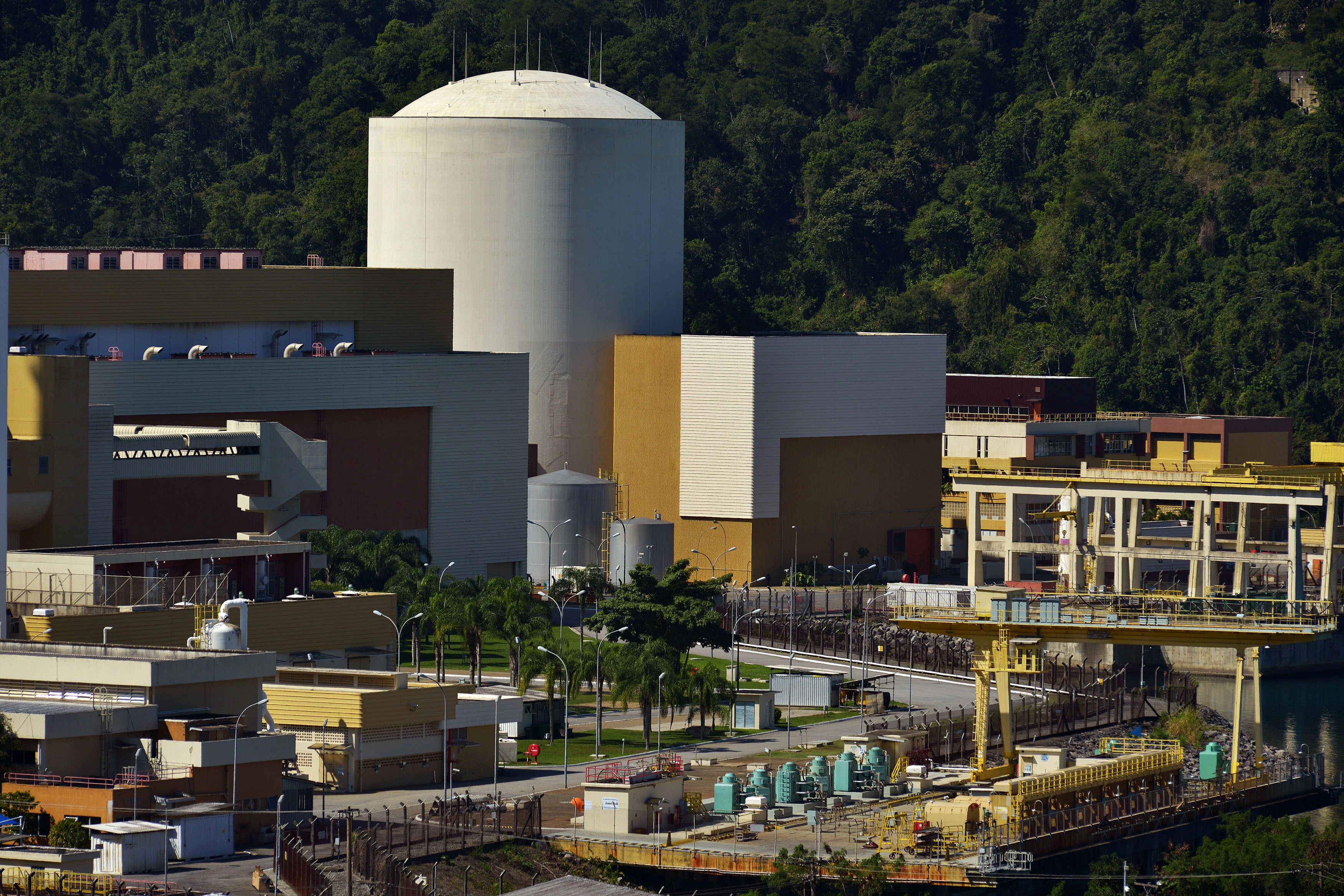
A cash crisis years in the making
The relief matters because the numbers are stark. The two-thirds-built plant, idle since 2015, still costs about one billion reais, or roughly 185 million US dollars, a year to hold in limbo.
Of that, some 800 million reais goes to debt service on the loans from the two banks. The rest pays to preserve thousands of pieces of idle equipment and to keep staff on hand.
The squeeze has forced awkward measures. Earlier this year the operator pulled about 400 million reais from a fund set aside for the eventual decommissioning of its two working reactors.
A partial turn from the brink
The step marks a shift from earlier warnings. In February the company said it could hit a financial breaking point within weeks unless Brasília acted, and the banks had refused a similar waiver.
Yet the reprieve is narrow. A BNDES study has put the cost of abandoning the project at around R$22 billion to R$26 billion against roughly R$24 billion to complete it, so neither path is cheap.
For a foreign reader, the takeaway is a familiar Brazilian standoff. The government has bought time for a troubled state asset without answering the real question of who ultimately pays. Our reporting has shown this is not a new predicament: the two-thirds-complete reactor has been stalled since 2015, and Brasília has repeatedly postponed a final call on whether to finish or abandon it, leaving the project to burn roughly R$1 billion a year in maintenance and debt service while the operator warns of financial collapse.
What did Brazil decide about Angra 3?
The energy council backed a request by operator Eletronuclear for a temporary pause on the plant’s debt payments to BNDES and Caixa. The decision is a recommendation only, and the two banks must still approve any actual suspension.
Why is Angra 3 in financial trouble?
The two-thirds-complete plant has been stalled since 2015 but still costs about one billion reais a year to maintain, most of it debt service. With no decision on resuming construction, the operator has drained cash reserves and a decommissioning fund to stay afloat.
Will Angra 3 be completed?
That remains undecided. A BNDES study found abandoning the project would cost around R$22 billion to R$26 billion, against roughly R$24 billion to finish it, and the government has repeatedly postponed a final call on resuming the work.
Connected Coverage
Brazil’s Nuclear Operator Warned of Collapse as Angra 3 Burns $1bn a Year
Eletrobras Sheds Its Eletronuclear Stake
Angra 3: Brazil’s Nuclear Ambitions Face Delays and Challenges
More: Brazil news in English, every day from The Rio Times.
Frequently Asked Questions
What did Brazil's energy council decide about the Angra 3 nuclear plant?
The council backed Eletronuclear's request to pause debt payments on the stalled plant. This is only a recommendation, and the state banks BNDES and Caixa must still approve any actual suspension.
Why is the Angra 3 project in financial trouble?
The idle, two-thirds-built plant costs about R$1 billion a year to maintain, roughly R$800 million of it in debt service. The operator recently had to pull R$400 million from a decommissioning fund just to stay afloat.
Will Angra 3 be completed?
That remains unresolved. A BNDES study put the cost of abandoning the project at around R$21 billion against roughly R$23 to R$24 billion to complete it, so neither path is cheap.
This article was produced by The Rio Times’ automated newsroom system. How we use AI · Report an error · Editorial responsibility: Matthias Camenzind, Editor-in-Chief