Brazil’s Hapvida Faces More Stock Pain, Analysts Warn
Brazil · Corporate
Key Facts
- —What happened Wall Street and Brazilian banks say Hapvida’s health-insurance stock could keep falling after years of steep losses.
- —How big The shares have lost roughly 90% of their value since Hapvida’s stock market debut in April 2018.
- —What it means The slide shows investors doubt the company can control rising medical costs and legal expenses soon.
- —The catch Despite the grim headline, most banks now rate Hapvida neutral rather than sell, and their price targets imply room to recover.
- —Who it affects Hapvida is one of Brazil’s biggest health insurers, serving millions of members across the country.
- —What comes next Hapvida’s new CEO is cutting money-losing contracts and closing clinics to try to boost profit.
Runoff · Sunday, 25 October
Brazil Runoff 2026: Lula vs Flávio
Date, polls, debates, odds and how the runoff works, updated every day.
Brazil runoff polls · Polymarket and Kalshi odds · When results come
Prediction markets · who wins the runoff
Implied chance of winning Brazil’s presidency on 25 October, from traders’ prices.
Polymarket
Flávio Bolsonaro 76.8% · Lula 23.5% (US$188 million traded)
Kalshi (regulated in the US by the CFTC)
Flávio Bolsonaro 79% · Lula 21%
As of 19 October, 9:00 am ET (14:00 Lisbon), updated every 20 minutes. Prices are bets, not polls, and can move fast.
Why we show this: prediction markets turn real-money bets into a live probability that moves within minutes of the news, which is why investors, campaigns and newsrooms in the United States now follow them closely. We show them next to polls and official results, never instead of them.
Brazil’s largest health insurer has shed about 90% of its value since its 2018 stock market debut.
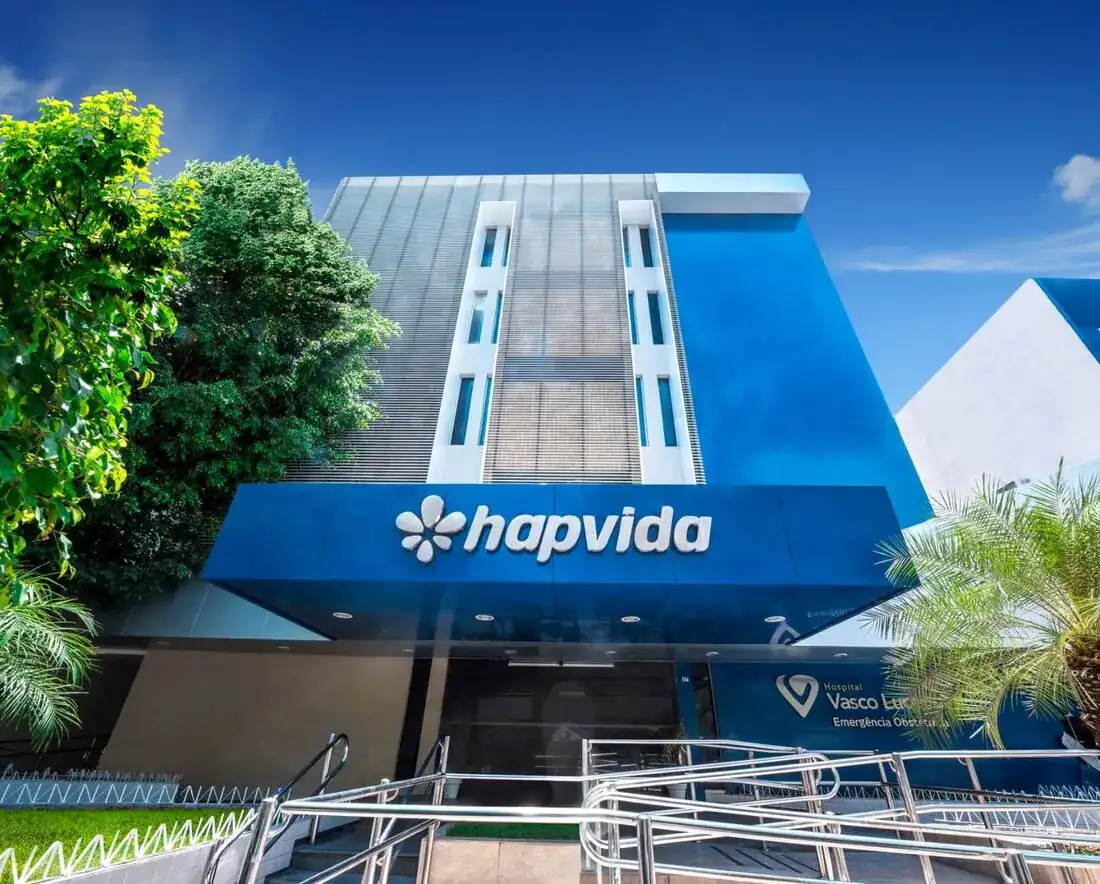
Hapvida’s stock has crashed nearly 90% since its 2018 initial public offering, or IPO. Analysts now warn the health-insurance giant could see even more losses ahead, Bloomberg reported Thursday.
Hapvida is Brazil’s largest private health insurer, covering millions of patients nationwide. Its shares have fallen from a 2018 listing price of R$23.50 (about US$6.80) to roughly R$7.00 (about US$1.37) now.
How Hapvida Lost 90% of Its Value
Hapvida and its affiliated brands serve more than 15 million health and dental plan members. That makes it the largest private health insurer in Brazil by membership.
Hapvida’s shares peaked in 2021, shortly after the NotreDame Intermédica merger was announced. The stock has fallen almost every year since then.
Hapvida also consolidated its shares in 2025, folding many old shares into fewer new ones. That change lifted the per-share price without adding real value.
Even after adjusting for that change, the stock is still down about 90% from its IPO price. Brazilian financial outlets reported the shares hit their lowest level since the 2018 listing in August.
What’s Squeezing Hapvida’s Profits
Health insurers collect monthly payments called premiums, then pay out claims for medical care. The share of that premium money spent on claims is called the medical loss ratio.
A higher ratio means less money left over for the insurer’s own costs and profit. Hapvida’s ratio hit 75.2% in the quarter that ended in June 2026, about three points higher than the previous quarter.
Legal disputes over unpaid claims are also getting costlier for Hapvida. Costs tied to lawsuits jumped 97% from a year earlier, reaching R$324 million (about US$63.5 million).
Rival insurer Amil has also been cutting prices to win customers in São Paulo. That price war makes it harder for Hapvida to raise its own rates.
Many of the lawsuits come from patients who sue when insurers deny or delay care. Brazilian courts often side with patients, forcing insurers to pay unplanned bills.
Live Company IntelligenceHapvida Participações e Investimentos S.A. — the full investor dossier
Valuation & profitability
Price & risk
$6.0152-wk high
$33.05
Revenue trend · 6y
Ownership
Dividend
A Costly 2022 Merger Still Weighs on Results
Hapvida became Brazil’s biggest health insurer by merging with rival NotreDame Intermédica in 2022. The all-stock deal combined two large hospital and clinic networks into one company.
Analysts say some of Hapvida’s cost problems trace back to that merger. Combining systems and pricing across two companies took longer than planned.
New hospitals opened during the integration also raised costs before they were full. Analysts at Itaú BBA and other banks flagged this spending as a drag on profits.
Analysts Are Split on What Comes Next
Itaú BBA downgraded Hapvida to neutral last November, cutting its target to R$22 (about US$4.31) from R$66 (about US$12.94). It cut the target again in August, to about R$13 (about US$2.54), after weak quarterly results.
JPMorgan also rates Hapvida neutral. It cut its target to R$13.50 (about US$2.64) from R$39 (about US$7.63) in March, citing weak government claims data.
BTG Pactual turned neutral in August too, setting a target of R$15 (about US$2.94). Its analysts said they preferred not to bet on a quick recovery.
Not every analyst is that gloomy, though. Jefferies upgraded the stock to buy in June, setting a target of R$19 (about US$3.72).
The average target among 13 analysts tracked by MarketScreener is R$13.12 (about US$2.57). That is almost double the roughly R$7 (about US$1.37) the stock traded at Thursday.
Others worry the company’s problems run deeper than one bad quarter. Morgan Stanley called Hapvida’s latest results much worse than expected.
Hapvida’s Turnaround Plan
Hapvida named Luccas Adib as its new chief executive to lead a recovery this year. He replaced Jorge Pinheiro amid pressure from about R$4.25 billion (about US$833 million) in debt.
Net debt climbed to R$5.4 billion (about US$1.06 billion) in the same quarter, up 34% from a year earlier. Loan payments now compete with turnaround spending for the same cash.
It flagged nearly a million members as unprofitable. It is now raising their prices or dropping their contracts.
It is also closing underused clinics, according to Brazilian media reports. Hapvida is renegotiating contracts with hospitals and doctors too.
“We’re getting some execution and calibration wrong,” CEO Luccas Adib said in August. “Our legal-case management did not keep pace with the challenge.”
More: Brazil news in English, every day from The Rio Times.
Frequently Asked Questions
Why has Hapvida’s stock fallen so much?
Hapvida’s shares have dropped about 90% since its 2018 stock market listing. Higher medical costs and legal expenses have squeezed its profits in recent quarters.
What is a medical loss ratio?
It is the share of premium money an insurer pays out for medical claims. A higher ratio leaves the insurer less money for its own costs and profit.
Do all analysts think Hapvida’s stock will keep falling?
No, banks are split on Hapvida’s outlook. Itaú BBA, JPMorgan and BTG Pactual rate it neutral, while Jefferies rates it a buy.
When did Hapvida hold its IPO, and what was the price?
Hapvida listed on the Brazilian stock exchange in April 2018 at R$23.50 a share (about US$6.80 at the time). The stock traded at roughly R$7 (about US$1.37) on Thursday, after adjusting for a 2025 share consolidation.
Is Hapvida still Brazil’s largest health insurer despite the stock drop?
Yes, Hapvida remains one of Brazil’s largest private health insurers by membership. Its shrinking profits are driving the stock lower, not its membership numbers.
Sources: Bloomberg, InfoMoney, Seu Dinheiro, Exame, Forbes Brasil, Money Times, MarketScreener, B3 stock exchange data.
This article was produced by The Rio Times’ automated newsroom system. How we use AI · Report an error · Editorial responsibility: Matthias Camenzind, Editor-in-Chief