Nigeria’s BOI Development Bond Raises About US$206 Million
NIGERIA · MARKETS
Key Facts
- —What happened BOI sold a five-year naira bond, closing at about 274.19 billion naira (US$206 million).
- —How big The offer started at 250 billion naira (US$188 million) and was enlarged after strong demand.
- —Who bought Pension funds, banks, insurers, asset managers and other institutions, with NSIA and IFC reported as anchor investors.
- —Who advised Chapel Hill Denham led the deal, with FCMB Capital Markets, RMB Nigeria and Quest Merchant Bank also involved.
- —The catch A 17.60% fixed rate is costly money, so returns depend on BOI lending the cash well.
- —What comes next Final allotment details await regulatory approval, and officials hope BOI funding can reach 1 trillion naira (US$752 million).
The Bank of Industry sold more than it planned to local pension funds, banks and other large investors, advisers FCMB Capital Markets and RMB Nigeria said.
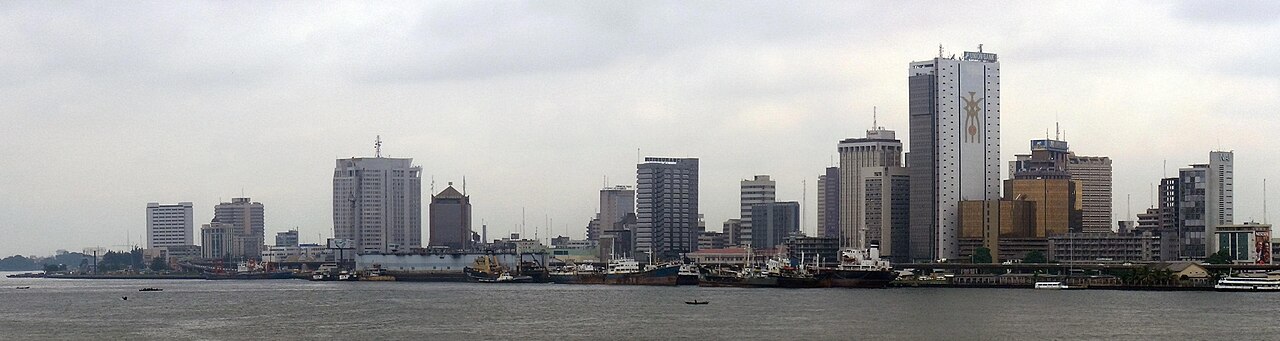
Nigeria’s Bank of Industry (BOI) has raised about 274.19 billion naira (US$206 million) through its first domestic bond. The BOI development bond pays a fixed 17.60% a year and matures in 2031.
How the BOI development bond came together
BOI, whose roots date back to 1959, is owned by the federal government and gives long-term loans to businesses. It had already borrowed abroad before this first local bond.
The bond was issued through BOI Financing SPV Plc, a special-purpose company, under BOI’s US$1 billion Multi-Currency Instruments Programme. It is the bank’s first bond in Nigeria’s domestic market.
BOI first offered 250 billion naira (US$188 million). The offer was oversubscribed within five working days, according to BOI’s managing director, Olasupo Olusi.
BOI then used a “green-shoe” option, which lets an issuer sell extra bonds when demand is high. The final size rose to about 274.19 billion naira (US$206 million) at 18 September 2026 rates.
Reports round the final figure slightly differently, at 274.18 or 274.19 billion naira (about US$206 million either way). The signed documents put it at 274.1868 billion naira (US$206 million), according to MarketForces Africa.
BOI said on 3 September 2026 that it had completed closing the deal. Advisers say it is the largest bond by a Nigerian development finance institution, based on public market data.
Who arranged and bought the bond
Chapel Hill Denham was lead issuing house and bookrunner. FCMB Capital Markets was a joint issuing house and bookrunner, and RMB Nigeria and Quest Merchant Bank also advised.
FCMB Capital Markets’ managing director, Ikechukwu Omeruah, said the deal “highlights the depth of Nigeria’s domestic debt capital market”.
RMB Nigeria’s Chidi Iwuchukwu said it “demonstrates the ability of Nigeria’s capital markets to mobilise long-term capital at scale”. RMB earlier advised BOI on its first Eurobond, a bond sold abroad.
Buyers included pension fund administrators, banks, insurers, asset managers, development finance institutions and companies. Two outlets report the Nigeria Sovereign Investment Authority (NSIA) and the International Finance Corporation (IFC) as anchor investors.
The bond pays interest twice a year, BusinessDay reported. No principal is repaid for the first two years, then repayments are spread over the remaining term.
Why investors wanted it
Analysts point to the high return and BOI’s close links to the state. BOI is owned by the federal government, so investors see its risk as close to Nigeria’s own.
Muda Yusuf of the Centre for the Promotion of Private Enterprise said it has “more or less a sovereign guarantee”. That is his view, not a formal guarantee.
Yusuf also noted that the Central Bank of Nigeria (CBN) now plays a smaller role in funding businesses through intervention schemes. He said BOI can help “fill that gap more effectively”.
Charles Sanni of Cowry Treasurers said the bond lets fund managers spread money beyond federal government securities. He added that it pays more than comparable government paper.
Olusi also credited President Bola Tinubu, who approved incentives for investors. A 100 billion naira (US$75 million) fund approved for BOI will help lower loan costs for manufacturers.
Olusi called the response “a vote of confidence not only in BOI, but also in the capacity of Nigeria’s domestic capital market”. He said the aim is to turn that confidence into more lending.
Why this matters for expats and investors
For foreign investors and expats with naira savings, this deal shows local institutions can fund large, long-term projects. That can mean more naira bonds to choose from later.
Local manufacturers and suppliers may also gain. BOI says the money will fund firms in priority sectors, including industrial growth, import substitution and local value addition.
Still, returns in naira must be weighed against currency moves when converted into dollars. The high fixed rate also reflects Nigeria’s expensive borrowing environment.
Olusi has said the industrial financing gap is estimated at more than US$35 billion a year. Manufacturing is about 7.2% of gross domestic product (GDP), against a national goal of 25%.
What is not yet known
BOI said detailed subscription figures and final allotments would come after regulatory approval. The exact amounts bought by NSIA, IFC or pension funds have not been published.
BOI has also not published a detailed plan showing which firms or sectors will receive the money. Only broad priority areas are public so far.
Minister of State for Industry John Owan said BOI’s development finance could reach 1 trillion naira (US$752 million) this year. No timetable or further bond series has been confirmed.
What comes next for the BOI development bond
Investors will now watch how quickly BOI lends the money and how those loans perform. Secondary-market trading of the bond will also give a signal on pricing.
Muda Yusuf said the deal could encourage other development finance institutions to borrow at home. A steady, well-run rollout of lending would help make the BOI development bond that model.
Frequently Asked Questions
Frequently Asked Questions
What is the BOI development bond?
It is a five-year, 17.60% fixed-rate bond due 2031. BOI raised about 274.19 billion naira (US$206 million) with it.
Who can invest in the bond?
This series was sold to institutional investors such as pension funds, banks and insurers. Individuals mainly gain exposure indirectly, for example through their pension fund.
Why did BOI issue this bond?
BOI wants long-term naira funding to lend to businesses in priority sectors. It also adds local money to its existing international funding.
Connected Coverage
Nigerian Exchange Listings Near US$2 Billion in 2026
European Investment Bank Puts US$126 Million Into Nigeria and African Startups
Nigeria’s Oando Cross-Border Listing Wins Shareholder Approval
Sources: Bank of Industry statement, 3 September 2026; FCMB Capital Markets; RMB Nigeria; African Law & Business; MarketForces Africa; BusinessDay; Daily Trust.
This article was produced by The Rio Times’ automated newsroom system. How we use AI · Report an error
LatAm Markets: Live Signals → — real-time movers, turnover leaders and FX across Latin America.
Read More from The Rio Times