IBOV 205,336.15 ▼ 0.24% IPSA 11,008.02 ▼ 1.40% IPC MEX 65,312.46 ▲ 0.52% MERVAL 2,830,087 ▼ 2.31% COLCAP 2,565.97 ▼ 0.89% BVL PERÚ 60,766.81 ▼ 0.51% USD/BRL4.99▲ 0.19% USD/MXN17.99▲ 0.01% USD/CLP976.88▲ 0.42% USD/COP3,225▲ 0.53% USD/PEN3.45— 0.00% USD/ARS1,522▲ 0.06% USD/UYU40.09▲ 2.39% USD/PYG5,835▲ 3.05% USD/BOB11.87▲ 2.15% USD/DOP60.28▲ 3.68% USD/CRC453.46▲ 2.32% USD/GTQ7.64▲ 3.39% USD/HNL26.86▲ 0.86% USD/NIO36.62▲ 0.26% USD/VES871.68▼ 0.13% USD/PAB1.00— 0.00% USD/BZD2.00— 0.00% USD/JMD 157.28 — 0.00% USD/TTD6.70▲ 2.23% EUR/BRL5.59▼ 0.32% BRENT 88.88 ▼ 0.03% WTI 83.11 ▼ 0.11% IRON ORE 161.91 — — COPPER 6.61 ▲ 0.03% GOLD 4,461 ▲ 1.78% SILVER 65.59 ▲ 1.26% SOY 1,184 ▲ 3.20% CORN 480.50 ▲ 10.02% WHEAT 655.00 ▲ 3.93% COFFEE 317.25 ▼ 5.51% SUGAR 16.43 ▼ 1.79% ORANGE JUICE 138.55 ▼ 0.47% COTTON 85.03 ▲ 2.33% COCOA 5,719 ▲ 3.18% BEEF 223.60 ▼ 3.93% CATTLE 339.10 ▼ 3.16% LITHIUM 75.20 ▲ 1.47% PETR4 41.64 ▼ 0.05% VALE3 72.97 ▲ 0.83% ITUB4 38.60 ▼ 1.03% BBDC4 16.85 ▲ 0.36% ABEV3 14.89 ▼ 0.80% BBAS3 19.37 ▲ 0.47% B3SA3 14.26 ▼ 0.21% WEGE3 47.59 ▲ 0.49% PRIO3 59.14 ▼ 0.19% SUZB3 41.33 ▲ 2.35% RENT3 34.68 ▼ 0.09% AZZA3 15.89 ▼ 2.63% CSAN3 3.22 ▼ 1.83% RAIZ4 0.25 — 0.00% PCAR3 2.75 ▼ 0.36% GMAT3 3.65 ▼ 1.08% PSSA3 48.13 ▼ 0.54% CVCB3 1.33 ▼ 2.92% POSI3 3.36 ▲ 2.44% SLCE3 13.34 ▲ 0.30% NATU3 8.14 ▼ 0.73% IBOV 205,336.15 ▼ 0.24% IPSA 11,008.02 ▼ 1.40% IPC MEX 65,312.46 ▲ 0.52% MERVAL 2,830,087 ▼ 2.31% COLCAP 2,565.97 ▼ 0.89% BVL PERÚ 60,766.81 ▼ 0.51% USD/BRL 5.16 ▲ 0.01% USD/MXN 17.06 ▼ 0.24% USD/CLP 913.98 ▲ 0.04% USD/COP 3,140 ▲ 0.03% USD/PEN 3.36 ▼ 0.66% USD/ARS 1,493 ▲ 0.10% USD/UYU 40.27 ▲ 1.24% USD/PYG 5,939 ▲ 1.68% USD/BOB 11.64 ▼ 0.76% USD/DOP 58.34 ▲ 1.25% USD/CRC 445.92 ▲ 0.89% USD/GTQ 7.62 ▲ 2.21% USD/HNL 26.79 ▲ 1.57% USD/NIO 36.62 ▲ 0.69% USD/VES 762.44 ▼ 0.13% USD/PAB 1.00 — 0.00% USD/BZD 2.00 — 0.00% USD/JMD 157.28 — 0.00% USD/TTD 6.70 ▲ 0.61% EUR/BRL 5.95 ▲ 1.01% BRENT 88.88 ▼ 0.03% WTI 83.11 ▼ 0.11% IRON ORE 161.91 — — COPPER 6.61 ▲ 0.03% GOLD 4,461 ▲ 1.78% SILVER 65.59 ▲ 1.26% SOY 1,184 ▲ 3.20% CORN 480.50 ▲ 10.02% WHEAT 655.00 ▲ 3.93% COFFEE 317.25 ▼ 5.51% SUGAR 16.43 ▼ 1.79% ORANGE JUICE 138.55 ▼ 0.47% COTTON 85.03 ▲ 2.33% COCOA 5,719 ▲ 3.18% BEEF 223.60 ▼ 3.93% CATTLE 339.10 ▼ 3.16% LITHIUM 75.20 ▲ 1.47% PETR4 41.64 ▼ 0.05% VALE3 72.97 ▲ 0.83% ITUB4 38.60 ▼ 1.03% BBDC4 16.85 ▲ 0.36% ABEV3 14.89 ▼ 0.80% BBAS3 19.37 ▲ 0.47% B3SA3 14.26 ▼ 0.21% WEGE3 47.59 ▲ 0.49% PRIO3 59.14 ▼ 0.19% SUZB3 41.33 ▲ 2.35% RENT3 34.68 ▼ 0.09% AZZA3 15.89 ▼ 2.63% CSAN3 3.22 ▼ 1.83% RAIZ4 0.25 — 0.00% PCAR3 2.75 ▼ 0.36% GMAT3 3.65 ▼ 1.08% PSSA3 48.13 ▼ 0.54% CVCB3 1.33 ▼ 2.92% POSI3 3.36 ▲ 2.44% SLCE3 13.34 ▲ 0.30% NATU3 8.14 ▼ 0.73%
since 2009
Wednesday, October 7, 2026

Argentina Business - Brazil

Argentina: the price of notebooks soared up to 80% after the return of import tariffs

By · March 27, 2023 · 3 min read

The Cordoba Stock Exchange reported an alarming increase in the price of technology as a natural response to the protectionist measures promoted by the government.

The increase in internal costs deteriorates competitiveness and foreign currency inflows.

President Alberto Fernández and Minister Sergio Massa strongly defended applying new protectionist measures, this time aimed at the technology sector.
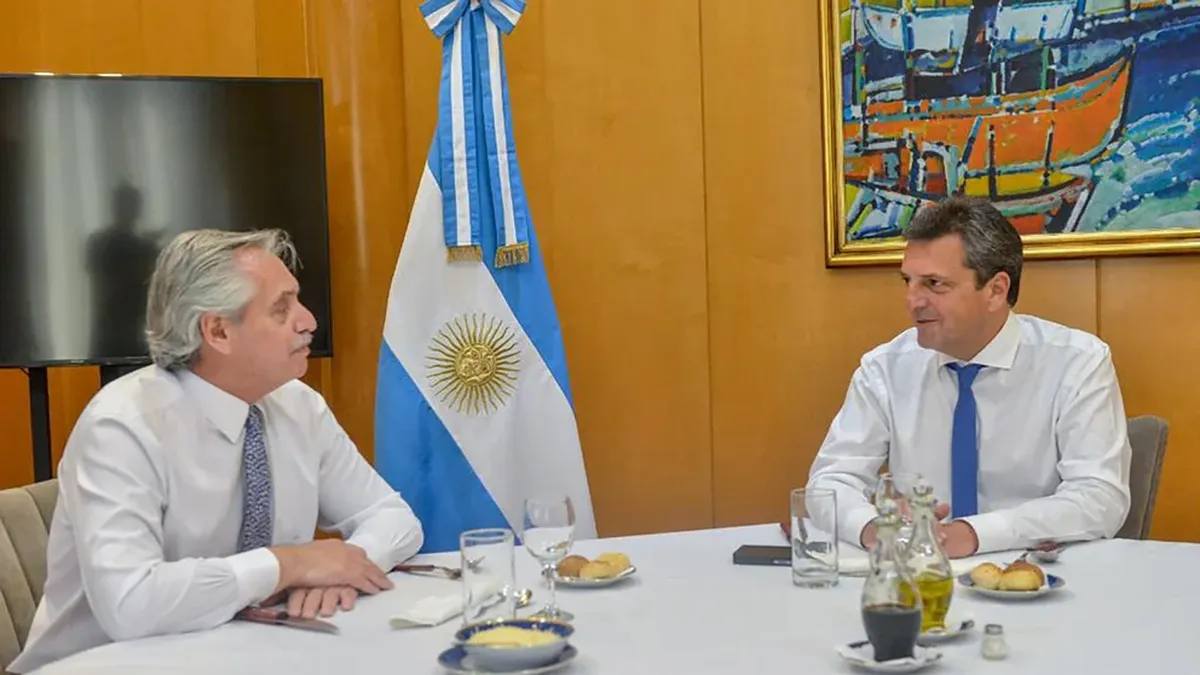
President Alberto Fernández and Minister Sergio Massa strongly defended applying new protectionist measures, this time aimed at the technology sector
RT
Ask Rio Times
Latin American markets, currencies and companies.
Open the full Ask Rio Times →

Massa defended “fair trade” between imported and domestic products, but the truth is that the costs were passed on to the bulk of society.

The government announced the return of import tariffs for notebooks (from 0% to 16%) and tablets (from 0% to 2%) as a measure to deliberately make imports more expensive and discourage domestic competition.

The LatAm Brief

One email, every weekday morning. What moved in Latin American markets, politics and expat life.

Yesterday’s subject line: “Mexico sells record US$60.6bn to the US in August”

Free. We send a confirmation link first — nothing arrives until you click it. Unsubscribe with one click in any edition. If you stop opening us for 30 days we stop sending by ourselves, as we assume the interest is no longer there. See our privacy policy. We never share your email.

A few hours after the measures were announced, the average price of computers shot up by 37.5%, according to a recent report by the Cordoba Stock Exchange.

The products most affected by the tariff measures suffered increases of up to 80% in less than 48 hours.

The institution took as a reference the prices of these products traded through the Mercado Libre platform and considered the 10 most consumed models in the country.

The Dell Inspiron 3,515 notebook model increased by 4.7% in a matter of days, the Asus X1502 increased by 14.2%, the Dell Vostro 3401 increased by 46.2%, HP notebooks shot up by 76.9% (the highest increase of all) and the Lenovo IdeaPad 15ITL05 model suffered an increase of 74.4%, among many alternatives.

The new tariff provisions make technology less accessible to Argentine consumers and companies.

The Cordoba Stock Exchange explained that the increases are not isolated and do not correspond only to the inflation dynamics but respond exclusively to the restriction of imported competition.

Although the Government emphatically denied it, the increase in the domestic price level is precisely what any import tariff is intended to achieve.

Tariffs are established to limit competition against the world market to allow the development of inefficient industries that otherwise could not exist, causing a transfer of income from the majority of society to a handful of domestic entrepreneurs who substitute imports.

Increased economic activity in uncompetitive sectors contrasts with the fall in consumption that society must suffer in the face of rising prices.

The cost increase also contributes to the deterioration of Argentina’s competitiveness abroad in many sectors, especially in the export of services (an area gaining more and more relative weight in recent years).

The lower flow of exports implies, at the same time, a lower inflow of foreign currency into the country, which is consistent with the lower import capacity (it is increasingly difficult to finance the same amount of imports).

This comes at a particularly sensitive time for the foreign exchange market, which is heavily regulated by exchange controls.

“High tariffs imply higher costs for acquiring products from other countries. As a direct result, imports are reduced, with numerous negative consequences.”

“Among them, the private sector loses competitiveness vis-à-vis the rest of the world due to the lack of access to cheaper resources that allow for increased efficiency and/or the adoption of technologies”, explains the report of the Stock Exchange.

With information from La Derecha Diario

Editorial responsibility: Matthias Camenzind, Editor-in-Chief · Editorial standards · Report an error

The Rio Times · Power Map
See who really holds power in Latin America
Click to open the Power Map →

Rotate for Best Experience

This report is optimized for landscape viewing. Rotate your phone for the full experience.